Introduction: Why Students Must Choose the Right Career First
One of the biggest mistakes many students make is rushing into a degree program without taking time to choose the right career first. It might seem easier to pick a popular course or follow what others are doing, but this approach often leads to confusion, dissatisfaction, and even career changes later in life.
To choose the right career, you need clarity about who you are, what you enjoy, and where you want to go in life. Your career decision is not just about what you study in university. It shapes your lifestyle, income, growth opportunities, and overall happiness.
That is why proper career planning for students should always come before selecting a degree. When you understand your direction early, your academic choices become more intentional and aligned with your future goals.
Understanding Your Interests and Strengths

Before you can choose the right career, you must first understand yourself. Self awareness is the foundation of every successful career choice for students.
Start by asking yourself simple but important questions:
- What subjects do I genuinely enjoy studying?
- What activities make me feel excited or fulfilled?
- What skills come naturally to me?
Your interests and strengths often point toward the kind of work you will enjoy long term. For example, if you enjoy writing and storytelling, careers in marketing, communications, or media may suit you. If you love problem solving, fields like data analysis, engineering, or finance could be a better fit.
You should also consider your personal values. Do you want a high income, flexibility, job security, or the ability to help others? These factors play a huge role when choosing a career path.
To make this process easier, you can use career assessment tools and personality tests. Platforms like Coursera offer helpful insights into how your personality aligns with different professions.
Understanding yourself deeply will make it easier to choose the right career with confidence.
Exploring Different Career Paths

Once you understand your strengths, the next step is exploring your options. Many students limit themselves because they are only aware of a few professions. But there are hundreds of career paths available today.
Effective career planning for students involves researching industries, job roles, and opportunities before making a decision.
Here is how to explore properly:
- Research different industries such as technology, healthcare, business, and creative fields
- Understand what professionals actually do daily
- Learn about required qualifications and certifications
- Watch videos or read articles about different careers
- Speak with professionals, mentors, or lecturers
Websites like indeed provide valuable insights into job roles, career growth, and requirements.
Exploring widely helps you avoid rushing into the wrong field. It also allows you to compare options and make a more informed career choice for students.
When you take time to explore, you are more likely to choose the right career that truly fits your interests and lifestyle.
Evaluating Job Market Demand
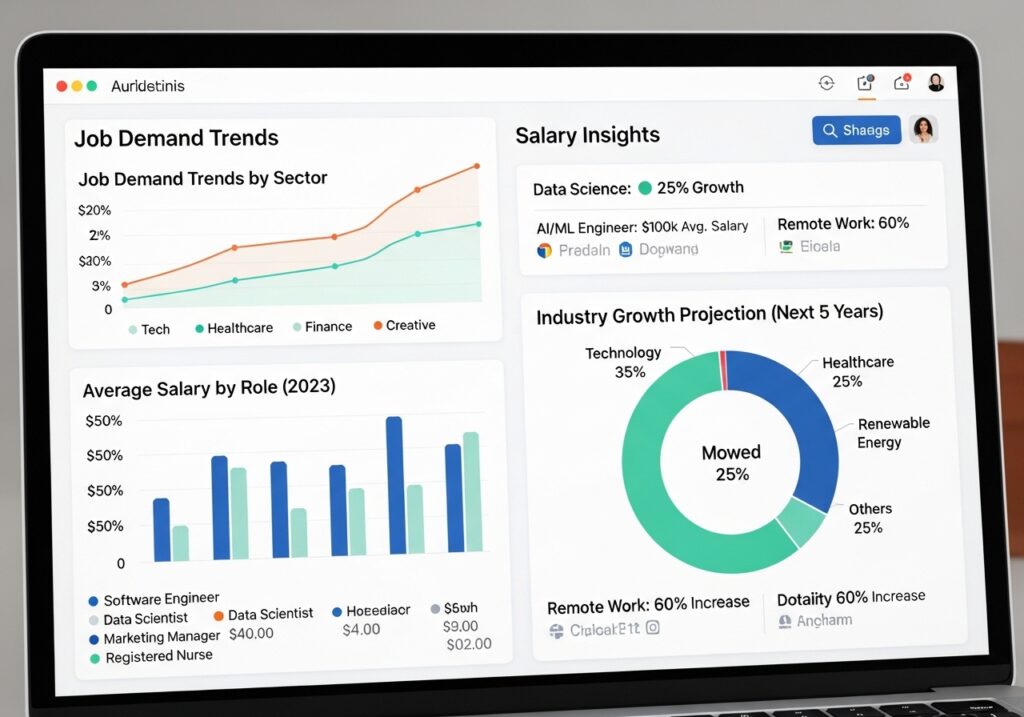
While passion is important, it is also smart to consider job opportunities. To choose the right career, you need a balance between what you love and what is in demand.
Some industries are growing faster than others, offering more opportunities, better salaries, and long term stability. These include:
- Technology and digital roles
- Healthcare and medical services
- Business and finance
- Digital marketing and communications
As part of choosing a career path, you should research:
- Job availability in your country or globally
- Salary expectations
- Career growth potential
- Future relevance of the field
This step is crucial in career planning for students because it ensures that your career remains sustainable in the long run.
Choosing a career without considering demand may lead to frustration later. But when you combine passion with opportunity, you increase your chances of success.
Aligning Career Goals With Education Choices

After you choose the right career, the next step is selecting a degree that supports it. Your education should be a tool that helps you achieve your career goals, not just a certificate.
For example:
- If your goal is digital marketing, you may study marketing, communications, or business administration
- If you want to go into tech, you might choose computer science, data science, or IT
- If you are interested in finance, accounting or economics could be the right path
When choosing a career path, always check if your degree offers:
- Relevant coursework
- Practical skill development
- Internship opportunities
- Industry exposure
This is an important part of career planning for students because the wrong degree can delay your progress, while the right one accelerates it.
Your goal is to ensure that your academic journey directly supports your professional ambitions.
Common Mistakes Students Make When Choosing Careers

Many students struggle because they make avoidable mistakes during the decision making process. Understanding these mistakes will help you choose the right career more effectively.
Some common mistakes include:
Following others blindly
Choosing a career because your friends or family are doing it can lead to dissatisfaction. Your path should be personal.
Focusing only on salary
While income is important, it should not be the only factor in your career choice for students. A high paying job without passion can become stressful.
Ignoring personal interests
When you ignore what you enjoy, it becomes difficult to stay motivated long term.
Lack of research
Many students do not fully understand what a job involves before committing. This is why proper research is essential when choosing a career path.
Avoiding these mistakes will make your career planning for students more effective and rewarding.
How EduTech Business Helps Students Make Better Career Decisions
Choosing a career can feel overwhelming, but you do not have to figure it out alone.
At EduTech Business, students receive guidance to help them choose the right career before selecting a degree.
Through expert support, EduTech Business offers:
- Career guidance tailored to your interests and strengths
- Personalized education planning
- Recommendations for the best university programs
- Step by step application support
You can also explore more helpful resources on our blog
And if you need direct assistance, you can reach out to us
With the right guidance, making a confident career choice for students becomes much easier.
Conclusion
Taking the time to choose the right career before selecting a degree is one of the smartest decisions any student can make. It provides clarity, direction, and purpose for your academic and professional journey.
By understanding your strengths, exploring options, evaluating job demand, and aligning your education with your goals, you can build a future that is both fulfilling and successful.
Remember, your career is a long term journey. The more intentional you are now, the better your outcomes will be later.
Start early, stay informed, and take control of your future by making the right choice today.
Written by Adebambo Fisher
Marketing & Communications Executive