
Introduction; How to Apply for International Scholarships
For many Nigerian students, studying abroad is more than an academic ambition, it’s a chance to gain global exposure, advance their careers, and access opportunities that may not be available at home. Unfortunately, tuition fees, living costs, and other expenses often make international education seem out of reach. That’s where scholarships come in.
International scholarships provide financial relief, covering full or partial tuition, accommodation, travel costs, or even living stipends. They open doors to universities across the UK, US, Canada, Germany, and beyond. However, many students still struggle with how to apply for international scholarships effectively.
The challenges are real; navigating different application portals, meeting strict eligibility criteria, and preparing essays or interviews can feel overwhelming. But with a structured approach, Nigerian students can turn these obstacles into stepping stones. This guide breaks down the process into clear steps to help you find, apply, and secure funding for your studies abroad.
Step 1: Research Scholarships for Nigerian Students
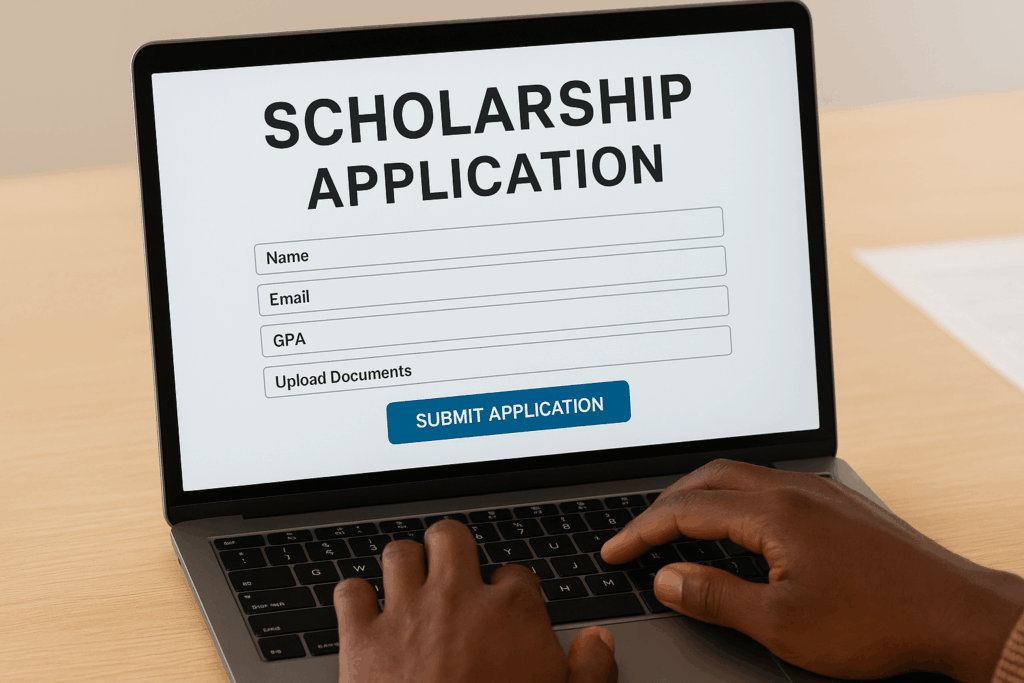
The first step in learning how to apply for international scholarships is research. Finding the right scholarship increases your chances of success and ensures you don’t waste time on ineligible applications.
Where to Find Scholarships
Several trusted platforms provide reliable information on scholarships:
- If you’re interested in Germany, the DAAD Scholarships platform is one of the most popular options for Nigerian students seeking postgraduate study.
- For the UK, the Chevening Scholarships program offers fully funded one-year master’s degrees at top universities.
- In the US, the Fulbright Program funds graduate studies, research, and even teaching assistantships.
- For a broader search, Scholarships.com is a trusted database that aggregates international funding opportunities.
Apart from these, many universities offer scholarships for Nigerian students directly. For example, institutions in Canada, Ireland, and the Netherlands frequently advertise funding options on their official websites under “Financial Aid” or “Scholarship” sections.
Understanding Eligibility Requirements
Each scholarship has unique eligibility criteria. Some are based on academic performance, others on leadership experience, community service, or even nationality. For example, Chevening prioritizes leadership and networking skills, while DAAD focuses on development-related courses.
Tip: Create a spreadsheet with columns for scholarship name, website, eligibility, required documents, and deadlines. This will keep you organized and prevent missed opportunities.
Step 2: Prepare Essential Documents

The next step in mastering how to apply for international scholarships is to gather the required documents. Having everything ready in advance reduces stress and helps you meet deadlines.
Key Documents You’ll Need
- Academic Transcripts and Certificates – Official, certified copies of your academic results.
- Recommendation Letters – Usually two or three, from lecturers, professors, or employers who can speak about your potential.
- Personal Statement or Statement of Purpose (SOP) – A compelling narrative about your academic goals, career plans, and why you deserve the scholarship.
- Proof of English Proficiency – Test results like IELTS, TOEFL, or the Duolingo English Test are often required.
Tips for Organizing Documents
- Request transcripts and recommendation letters early, as processing can take weeks.
- Save all documents in clearly labeled folders (e.g., “Chevening 2025 Application”).
- Scan and back up everything on cloud storage in case you need to re-submit.
These preparation steps might feel tedious, but they are a vital part of the scholarship application process.
Step 3: Write a Strong Scholarship Essay or Statement of Purpose

One of the most decisive elements in how to apply for international scholarships is your essay. This is where you stand out from other applicants.
How to Stand Out
- Tell a story: Instead of just listing achievements, narrate your journey. Did you overcome obstacles? Did you contribute to your community? Share it.
- Be specific: Show how your chosen program aligns with your career path. For example, if applying to DAAD, explain how your studies in Germany will benefit Nigeria’s development.
- Show future impact: Scholarship committees want to see how their investment will create change in your community or sector.
Align with the Provider’s Mission
Each provider has its focus. Chevening values leadership and networking, Fulbright emphasizes cultural exchange, and DAAD prioritizes development-related programs. Research these goals and align your essay accordingly.
Avoid Common Mistakes
- Writing generic essays that could apply to any scholarship.
- Focusing too much on financial need rather than merit and potential.
- Ignoring essay word limits or submission guidelines.
Think of your essay as your personal “interview on paper.”
Step 4: Submit Your Application and Follow Up

Submitting the application is straightforward but requires attention to detail. A small error could disqualify you.
Double-Check Requirements
- Confirm deadlines (some are based on different time zones).
- Upload documents in the required formats (PDF, DOCX).
- Ensure your personal details (name, email, phone) are accurate.
Importance of Submitting Early
Don’t wait until the last day. Technical issues or slow internet connections could ruin your chances. Aim to submit at least a week before the deadline.
Following Up
Some scholarships provide application tracking portals. For example, Chevening and Fulbright allow applicants to check the status online. Always monitor your email inbox, including your spam folder, for updates.
Step 5: Prepare for Scholarship Interviews
If shortlisted, you’ll likely be invited for an interview. At this stage, your preparation and confidence matter just as much as your academic qualifications.
Common Interview Questions
- Why did you choose this program and country?
- How will your education benefit Nigeria after graduation?
- What leadership or community roles have you taken?
How to Present Yourself
- Practice with mock interviews.
- Dress formally and maintain good body language.
- Be concise, confident, and authentic in your answers.
Highlight Future Goals
Make it clear that receiving the scholarship is not just about personal success but also about contributing to Nigeria’s growth. For instance, mention how studying on a Fulbright Program scholarship could help you launch a development initiative back home.
Conclusion: Turning Dreams into Reality with Scholarships
Understanding how to apply for international scholarships is a skill that every Nigerian student aiming to study abroad should master. From research and document preparation to essay writing, submission, and interviews, each step is an opportunity to stand out.
Scholarships do more than just fund education; they change lives. They provide access to global education, build international networks, and create leaders who bring positive change to their home countries.
Yes, the process can be competitive and sometimes discouraging, but persistence is key. Each application you submit makes you a better candidate. Even if you don’t win the first time, the experience prepares you for the next opportunity.
At EduTech Business, we believe education should be accessible to all. That’s why we also encourage you to check out our guide on the Federal Government Scholarship Nigeria: Financial Aid for Online Learners and explore options like the Best Online Education Platforms in Nigeria for University Students. If you’d like more personalized advice, feel free to Contact EduTech.
In the end, your scholarship journey is not just about securing funding, t’s about investing in your future, your career, and your contribution to society. With determination, organization, and the right strategy, your dream of studying abroad can become a reality.
Written by Adebambo Fisher
Intern, Branding, Marketing & Communications



3 Responses
trusted medical marijuana online shop with safe access
Why will my email not be published.did u people have any issues
I want to get a scholarship to study in Canada pls