
Introduction – Why Grants Matter for Students in Nigeria
For thousands of students across Nigeria, pursuing higher education is a dream often hindered by financial limitations. Rising tuition costs, living expenses, and the scarcity of reliable student loan options make education feel out of reach for many young people. That’s why grants for Nigerian students play such a crucial role in expanding access to quality education.
Grants provide financial assistance that does not need to be repaid, unlike loans. They are often awarded based on academic merit, leadership, innovation, or financial need. Whether you’re an undergraduate hoping to cover tuition or a postgraduate student pursuing advanced research, these funding opportunities can help bridge financial gaps and open doors to global opportunities.
Beyond covering costs, student grants in Nigeria also promote equity—allowing talented students from all backgrounds to compete fairly for world-class education. In 2025 and beyond, both government and private organizations are increasing their support for students committed to national development, research, and innovation.
Top Government Grants Available to Nigerian Students

Government initiatives remain one of the most dependable sources of educational grants 2025. Here are a few major programs Nigerian students should explore:
1. NELFUND (Nigerian Education Loan Fund)
The Nigerian Education Loan Fund (NELFUND), recently established by the Federal Government, is designed to make higher education more accessible. While it primarily provides education loans, the fund also allocates grants and subsidies for indigent students in public tertiary institutions. This hybrid model of loan and grant support underscores the government’s commitment to ensuring financial inclusion in education.
2. STEMM Grant Program
The STEMM Grant, highlighted by Punch Nigeria, targets students studying Science, Technology, Engineering, Mathematics, and Medicine. It supports innovative undergraduates and postgraduates who demonstrate academic excellence and creativity in solving real-world problems. These grants for Nigerian students aim to strengthen Nigeria’s position in the global technology and medical fields while promoting local innovation.
3. Nigeria Youth Futures Fund (NYFF)
The Nigeria Youth Futures Fund (NYFF) empowers young Nigerians working on education, civic engagement, and sustainable development. The grant is ideal for students who want to combine their academic growth with social impact. Successful applicants receive funding, mentorship, and access to youth development programs that build leadership and community project management skills.
By leveraging these opportunities, students can gain not only financial relief but also professional experience and visibility.
Leading Private and Foundation Grants for Students

Private organizations and foundations also provide highly impactful grants for Nigerian students each year. These programs complement government efforts and often focus on entrepreneurship, innovation, or need-based support.
1. College Relief Fund
The College Relief Fund is a private initiative offering need-based financial support to students in accredited Nigerian institutions. Its endowment model ensures continuity, with scholarships and small grants awarded to students with outstanding performance and clear financial need. The fund has helped thousands continue their education without interruption.
2. SMEDAN Grant for Student Entrepreneurs
The SMEDAN Grant for Student Entrepreneurs, implemented by the Small and Medium Enterprises Development Agency of Nigeria, provides seed capital for innovative student businesses. This initiative, accessible through the Youth and Innovation Development portal, encourages students to turn their ideas into viable startups, creating jobs while studying.
3. NGO and Foundation-Based Educational Grants
Platforms like Funds For NGOs regularly list open calls for education-related grants across Africa. Many focus on women’s education, STEM research, and youth empowerment. These opportunities allow students to apply for private funding in Nigeria from local and international organizations committed to supporting education as a tool for societal progress.
How to Find Grant Opportunities That Fit You
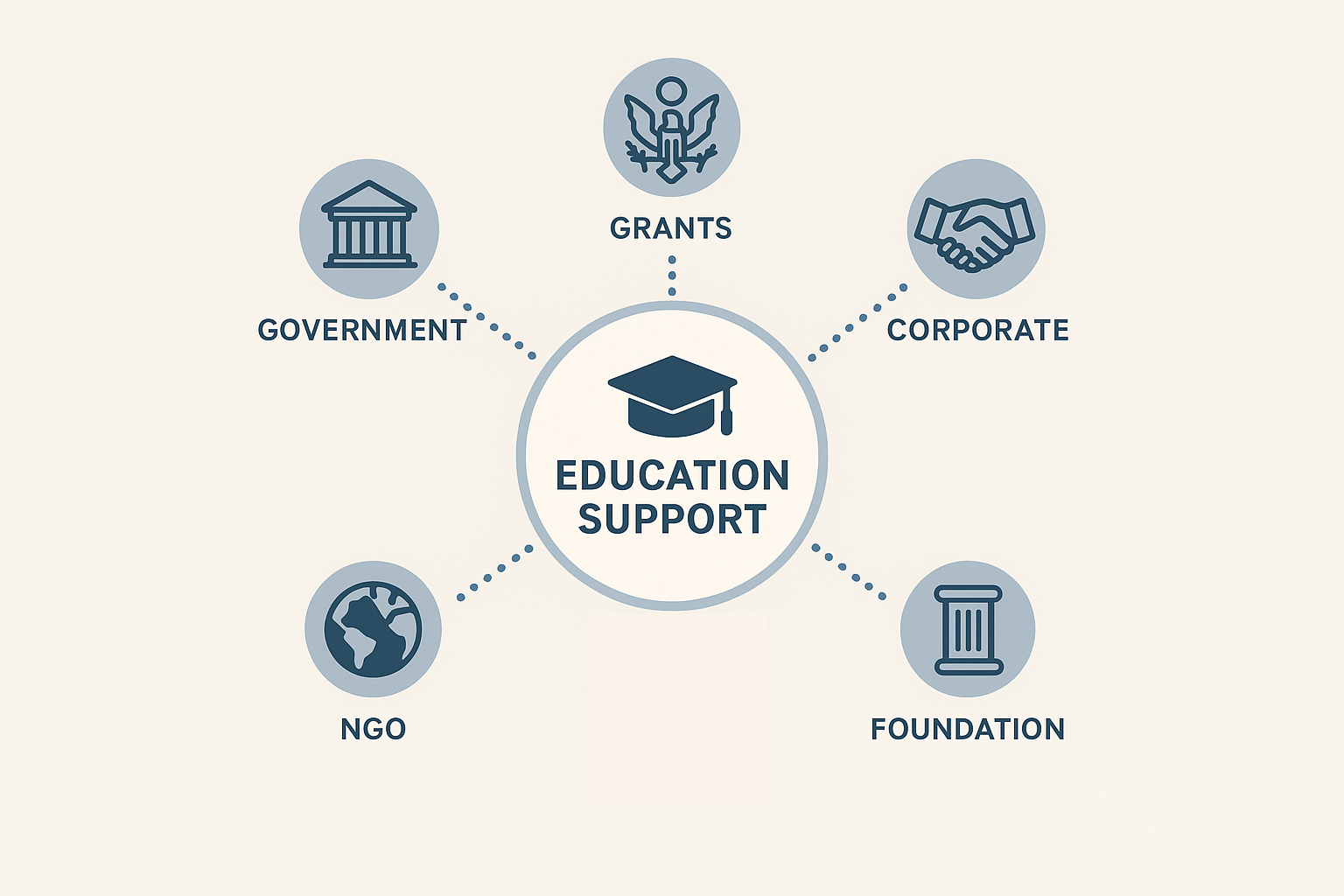
Finding the right grants for Nigerian students involves proactive searching and planning. Here are some ways to discover and secure the best fit:
- Use grant directories and portals: Browse websites like FundsForNGOs or GrantStation, which aggregate verified funding opportunities.
- Monitor government announcements: Stay updated on calls from the Ministry of Education, NYFF, and NELFUND’s official platforms.
- Follow institutional updates: Universities and polytechnics frequently post new educational grants 2025 and research funding opportunities for enrolled students.
- Network with peers and mentors: Join LinkedIn academic groups, WhatsApp student forums, and NGO communities where grant alerts are shared early.
Persistence is key. The more consistently you check these sources, the more likely you are to find funding tailored to your field of study and personal goals.
How to Apply Successfully for Grants in Nigeria
Applying for grants for Nigerian students requires preparation, patience, and precision. A strong application stands out through clarity, organization, and evidence of potential.
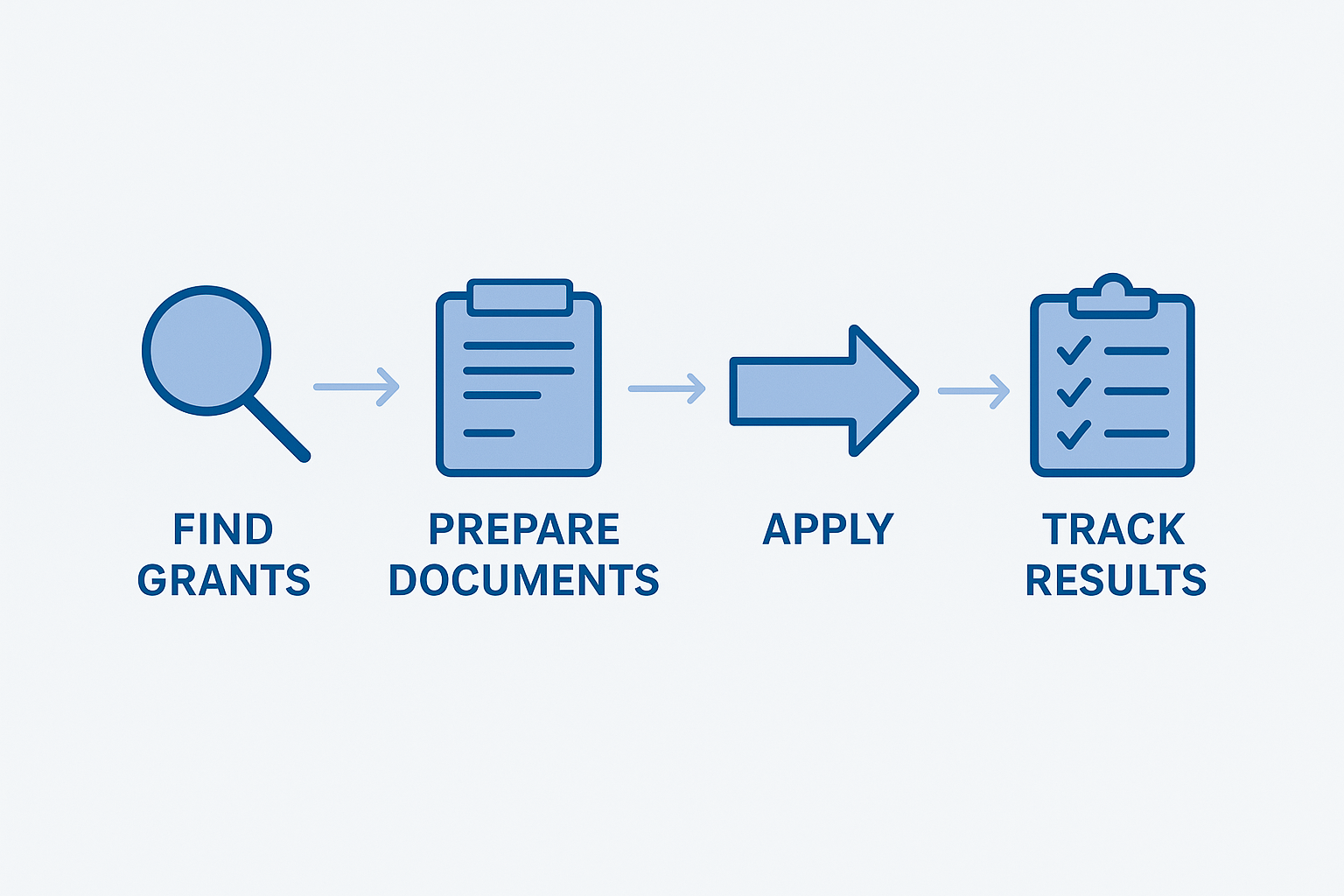
Here’s how to make yours count:
- Understand the eligibility criteria: Always review the requirements in detail. Applying for grants that don’t fit your background wastes time.
- Write a compelling proposal or statement: Whether it’s an essay, budget plan, or research description, make it clear, personal, and relevant.
- Provide supporting documents: Include transcripts, recommendation letters, proof of enrollment, and identification.
- Respect deadlines: Submitting early is always better.
- Follow up after submission: Some grants require interviews or additional materials. Respond promptly to maintain your eligibility.
To build your skills in crafting strong scholarship applications, check out our detailed guide on How to Apply for International Scholarships filled with expert strategies Nigerian students can adapt for both local and international opportunities.
Pitfalls to Avoid in Grant Applications
Even excellent candidates can lose opportunities through common errors. Avoid these pitfalls when applying for grant application in Nigeria:
- Incomplete applications: Missing attachments or signatures can instantly disqualify you.
- Generic templates: Tailor each application to the specific organization’s focus.
- Ignoring instructions: Small mistakes like word limits or document naming can cost you credibility.
- Lack of follow-up: Stay in touch after applying, it shows seriousness and professionalism.
Avoiding these missteps gives you an edge and increases your success rate significantly.
Conclusion – Leveraging Grants for Your Academic Journey
Your academic journey deserves consistent support, and grants for Nigerian students are one of the best tools for achieving that. From government-backed programs like NELFUND and the STEM Grant to private initiatives like SMEDAN and the College Relief Fund, each opportunity can help you take the next step toward your academic or entrepreneurial dream.
Be intentional: track new student grants in Nigeria, prepare your materials ahead of time, and never underestimate the power of networking. Many past recipients of educational grants 2025 began with small local opportunities that later led to global scholarships such as MPOWER Financing – Student Loans & Grants Nigeria or the Fulbright Foreign Student Program – Nigeria.
If you’re a student facing financial difficulties, explore our article on Student Emergency Funds and Support Services to discover short-term solutions. You can also visit the EduTech Business Homepage to explore flexible online degree programs that make studying more affordable and accessible.
When you’re ready to take the next step, Contact Us, our academic advisors can guide you on how to identify, prepare for, and apply for the most suitable grants for Nigerian students based on your background and aspirations.
Written by Adebambo Fisher
Intern, Branding, Marketing & Communications


4 Responses
This is great
Okay
Okay it great
Good afternoon Sir/Ma
My name is Aminu Confidence Latifat, i live in Abuja but study in Landmark university Kwara State, i currently need this grant to pay my school fees and needs, and i will be grateful if my request is looked outo.
Finance has been one challange that is affecting my education and I don’t want anything that will temper or distract my education.
I plead foe help