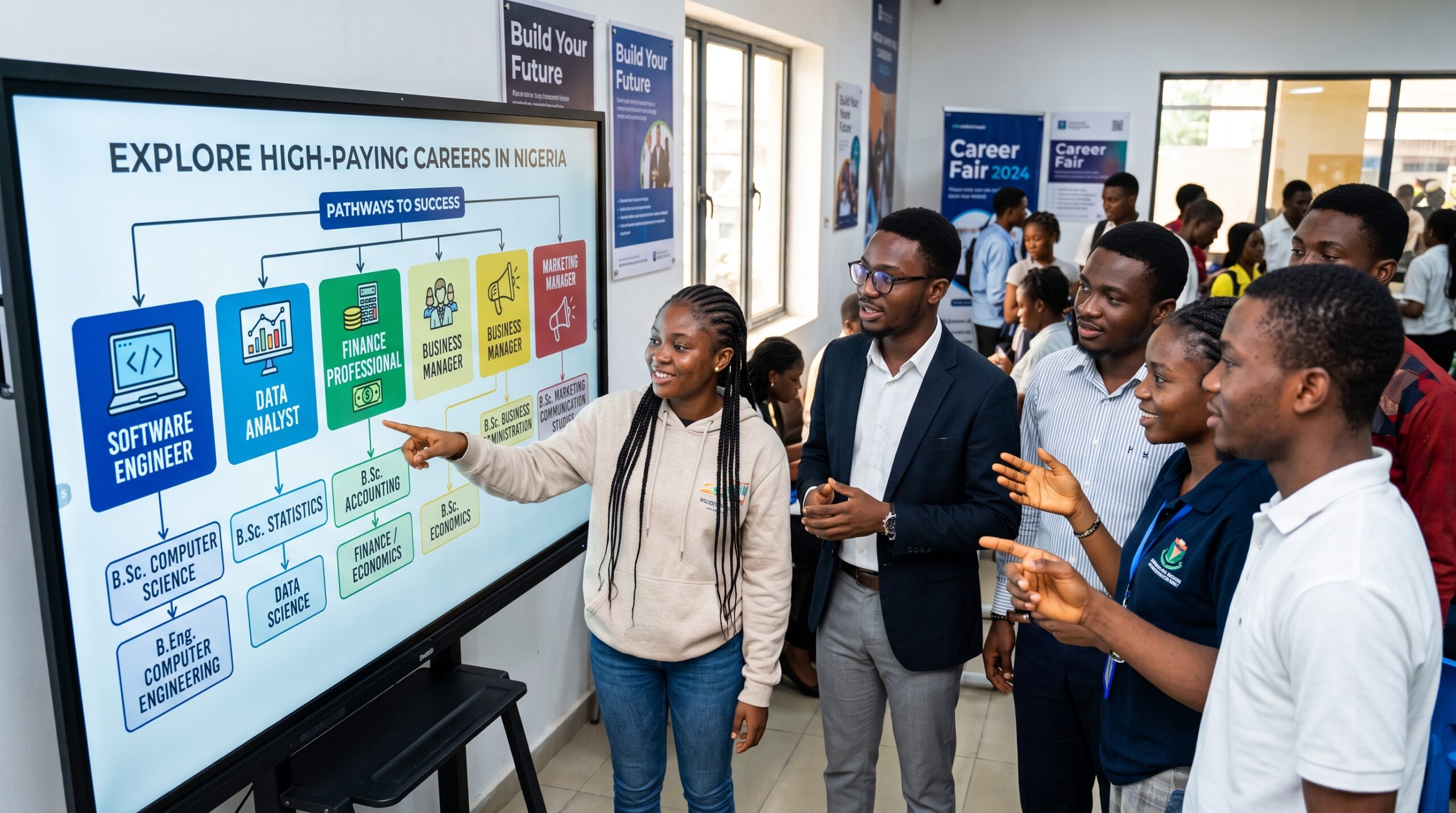
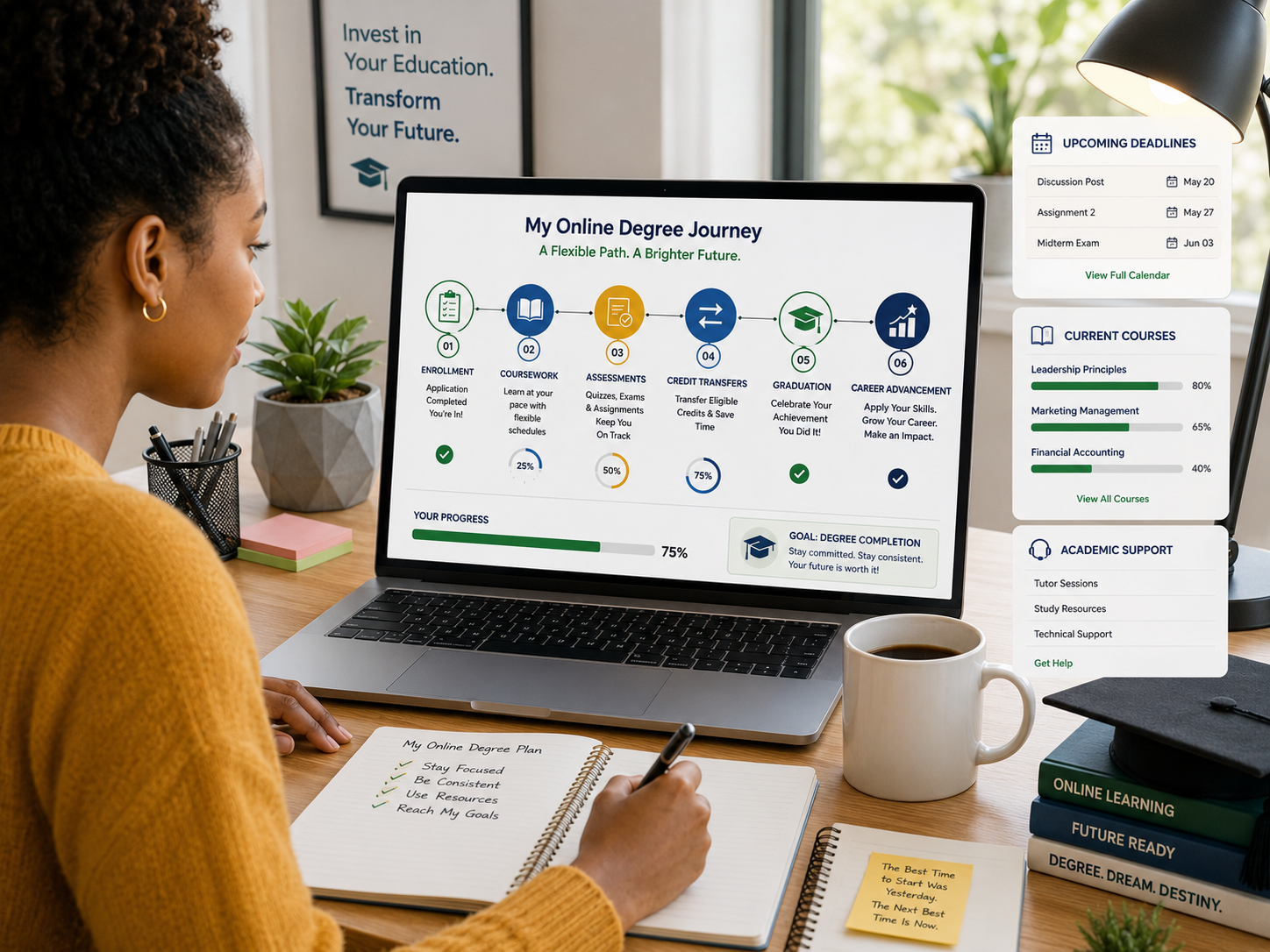
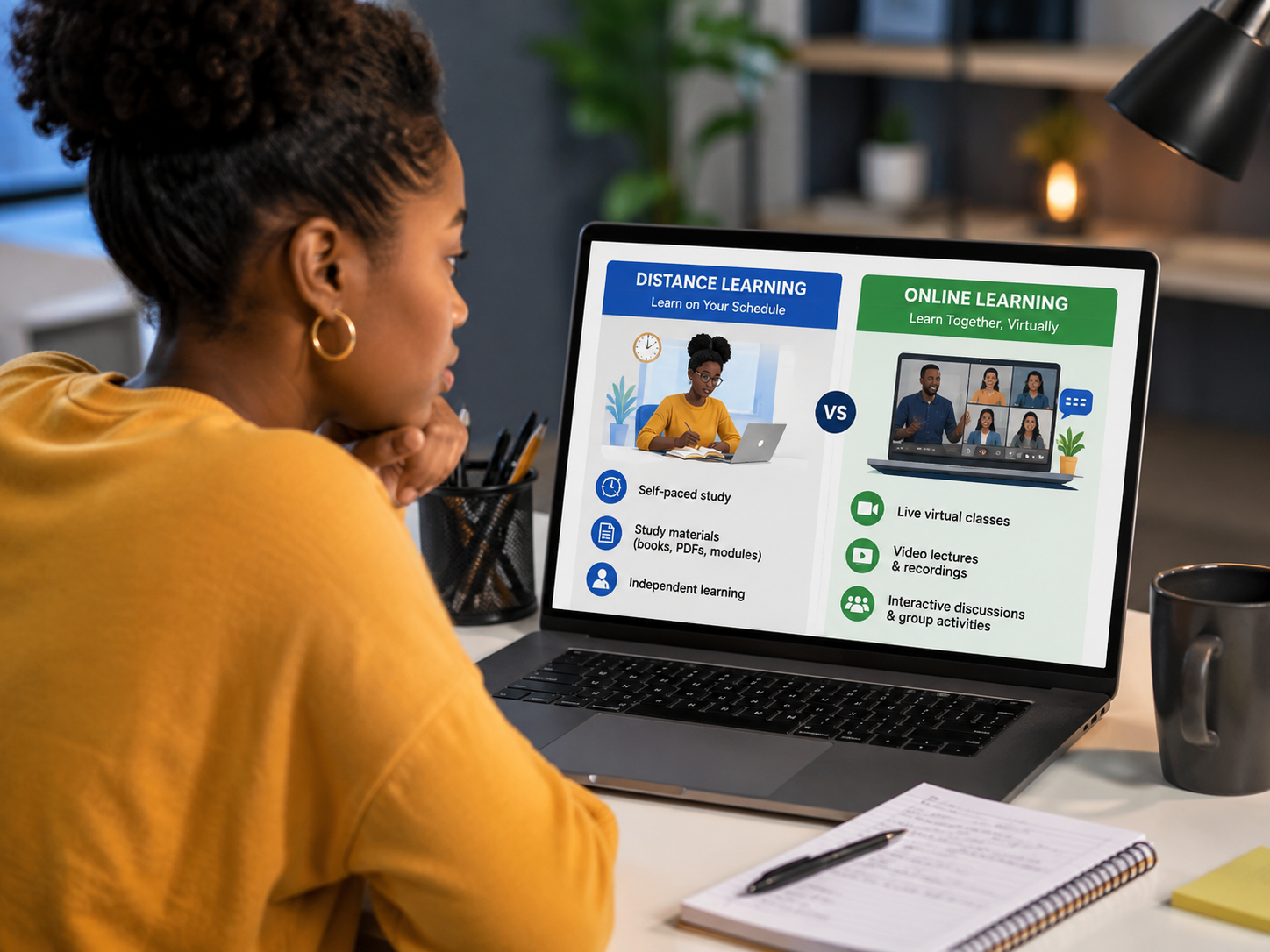
Distance learning in Nigeria has grown into one of the most popular pathways for students who want flexibility, affordability, and academic stability without sacrificing quality. Over the past decade, thousands of learners have embraced this model because it allows them to work, take care of families, or manage businesses while still earning accredited degrees. As internet access expands and mobile learning becomes a daily habit, distance learning has become a practical solution for Nigerians who want education without relocating or pausing their careers. However, while this mode suits many people, it is not ideal for everyone. Understanding who benefits from distance learning and who may struggle with it is key to choosing the right academic path.
1. Introduction: Why Distance Learning Grew in Nigeria

Distance learning in Nigeria has expanded rapidly due to a strong demand for flexible education among working adults and busy learners. Today’s workforce wants to grow their careers without resigning or taking a break, and distance learning offers that opportunity. Relocation costs, hostel fees, and transportation expenses also encourage many learners to choose online study options rather than move to new states or cities for school. Widespread internet access, affordable smartphones, and mobile data bundles have also made virtual learning easier across the country.
Another major driver is the push for career upskilling. Many Nigerians now pursue additional qualifications to remain competitive in a fast-changing job market. Distance learning gives them the freedom to attend virtual classes, complete assignments online, and take periodic assessments while maintaining their daily responsibilities. As a result, this learning model continues to attract students across different age groups, industries, and academic backgrounds.
2. Who Distance Learning Is Best For

Distance learning works extremely well for students who want flexibility without compromising academic progress. If any of the following descriptions match your lifestyle, distance learning is likely a strong fit.
Working professionals managing job schedules
Those who work full-time or part-time often find it difficult to attend daily classes on campus. Distance learning allows them to study during evenings, weekends, or breaks without affecting their employment. This is why many employees in banks, hospitals, government agencies, and tech companies prefer online degree programs.
Business owners balancing operations and study
Entrepreneurs need freedom to oversee their shops, clients, inventory, or teams. With distance learning, they can attend classes virtually and meet deadlines at their own pace. They can grow academically while building successful businesses.
Mothers managing home and education
Parents, especially mothers, often carry multiple responsibilities. Distance learning allows them to study while raising children, supervising the home, or supporting family responsibilities. They can attend classes from anywhere without needing to leave home daily.
Students seeking flexible pacing
Some learners perform better when they have the freedom to review materials at their own speed. Distance learning supports self-paced study where students can revisit lessons, rewatch recordings, and learn comfortably without pressure.
Learners avoiding campus relocation costs
Many students cannot afford to relocate to states where their preferred universities are located. Distance learning removes the need for accommodation expenses, feeding budgets, and transportation costs. Students can remain in their current city and still earn degrees from reputable universities.
In all these cases, distance learning provides structure, support, and accreditation without disrupting daily life.
3. Who Should Avoid Distance Learning
While distance learning in Nigeria is beneficial, it is not suitable for everyone. Certain types of students may struggle with the demands of this learning style. Understanding these limitations helps ensure that each learner makes a decision that aligns with their strengths.
Students needing strict daily classroom discipline
Some learners perform best when they have rigid schedules and must physically attend class every morning. If you rely heavily on supervised routines to stay consistent, a campus-based model may serve you better.
Learners struggling with independent study
Distance learning requires self-motivation. Students must log into the portal, watch lectures, complete assignments, and read course materials on their own. Those who find it difficult to study independently may fall behind.
Those seeking heavy lab-based practical exposure
Courses like medicine, medical laboratory science, engineering, and pure sciences require extensive hands-on laboratory practice. Distance learning does not offer this level of physical practical work, so students aiming for highly practical fields may need on-campus programs.
Students requiring constant physical supervision
If a learner lacks digital discipline or requires close academic monitoring, a fully remote system might be overwhelming. Physical classrooms offer more direct lecturer interaction and supervision.
Recognizing these challenges ensures learners choose a model that supports academic success rather than struggle.
4. How Exams and Assessments Work
Exams and assessments in distance learning programs follow structured academic guidelines similar to traditional universities. They are designed to measure student progress while maintaining academic integrity.
Continuous assessments through online portals
Throughout the semester, students complete quizzes, assignments, discussion tasks, and online tests through the learning portal. These assessments contribute to final grades and help track understanding of each course.
Center-based exams under supervised conditions
While learning is remote, exams remain supervised. Students write their semester examinations at approved centers where invigilators monitor the process to ensure transparency.
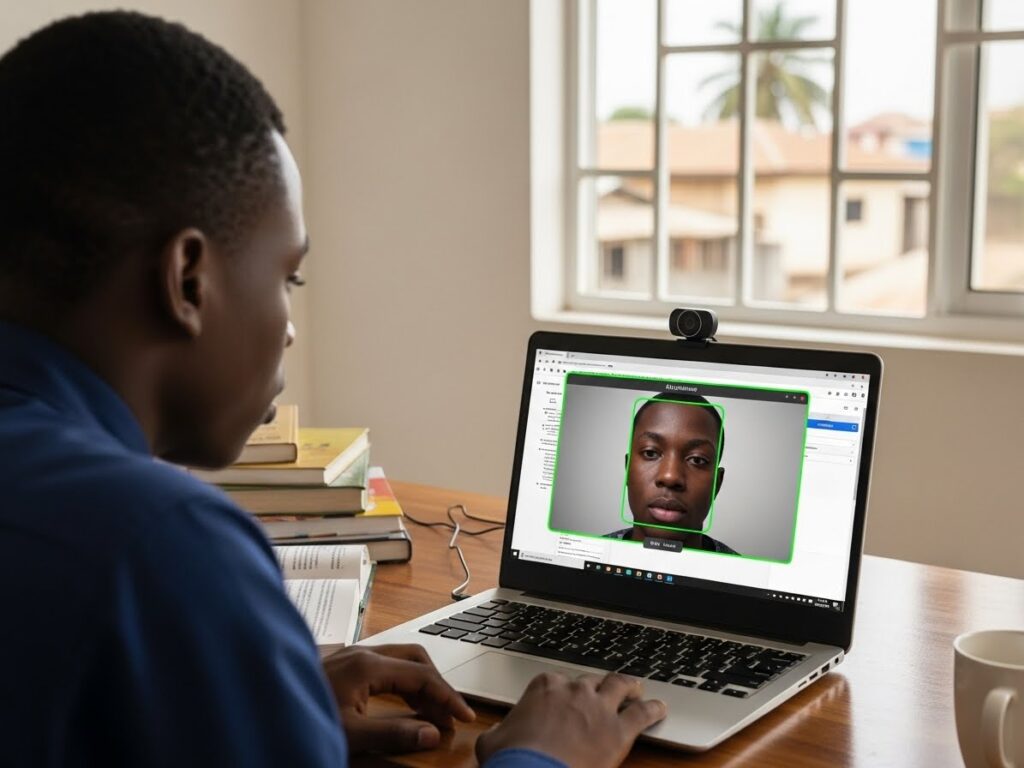
Identity checks before exam access
Before writing any exam, students present valid identification such as student ID cards or official documents. This prevents impersonation and maintains credibility.
Course progress tracked digitally
Students can view scores, completed tasks, upcoming assessments, and course timelines through dashboards. This ensures transparency and helps learners remain organized.
Final certification issued by the home university
The certificate awarded at graduation carries the name of the university and holds the same recognition as certificates earned by on-campus students. There is no difference in the value of the degree as long as the program is accredited.
These structured assessment methods reinforce the legitimacy of distance learning programs and ensure students receive quality education.
5. Nigerian Universities Offering Distance Learning
Distance learning in Nigeria is supported by major accredited universities with long-term credibility. Two notable institutions lead the sector.
ABU Distance Learning Centre
Ahmadu Bello University Distance Learning Centre provides nationwide access to undergraduate and postgraduate programs. Students learn through digital platforms, attend virtual classes, and write supervised exams.
NOUN
The National Open University of Nigeria is one of the largest open universities in West Africa. It operates multiple study centers across Nigeria, offering flexibility for learners in remote and urban regions.
Both institutions follow nationally approved academic frameworks, conduct structured assessments, and issue recognized certificates that meet employer and regulatory standards.
6. How EduTech Business Helps with Distance Learning Admissions
EduTech Business plays a crucial role in simplifying the application and study process for distance learning students across Nigeria. Their support system ensures students choose accredited institutions and avoid fake online schools.
University verification before application
EduTech Business checks that the institution and program are accredited, ensuring students apply only to genuine universities.
Program selection based on career goals
Students receive guidance on choosing the right course based on career plans, industry relevance, and academic background.
Form processing and document guidance
EduTech Business assists with filling forms, uploading documents, and meeting all application requirements correctly and on time.
Follow-up on admission progress
Students receive updates on each stage of the admission process, reducing delays and avoiding confusion.
Post-admission academic coordination support
Even after admission, EduTech Business helps students settle into their learning portals, understand their academic calendars, and plan for assessments.
Their support helps learners avoid mistakes, save time, and begin their distance learning journey confidently.
Conclusion
Distance learning in Nigeria is an excellent choice for students who want flexibility, affordability, and stable academic progress without relocating or pausing their careers. It is best suited for professionals, parents, business owners, and independent learners who can manage virtual study. However, students who need strict physical supervision or heavy practical training may be better suited for on-campus programs. The most important step is choosing accredited institutions that follow national standards.
If you want to explore admission options, compare verified programs, or speak with trusted advisors, visit the EduTech Business website.
You can also read more helpful guides on the blog or reach out directly for support with applications and program guidance.
Written by Adebambo Fisher
Intern, Branding, Marketing & Communications