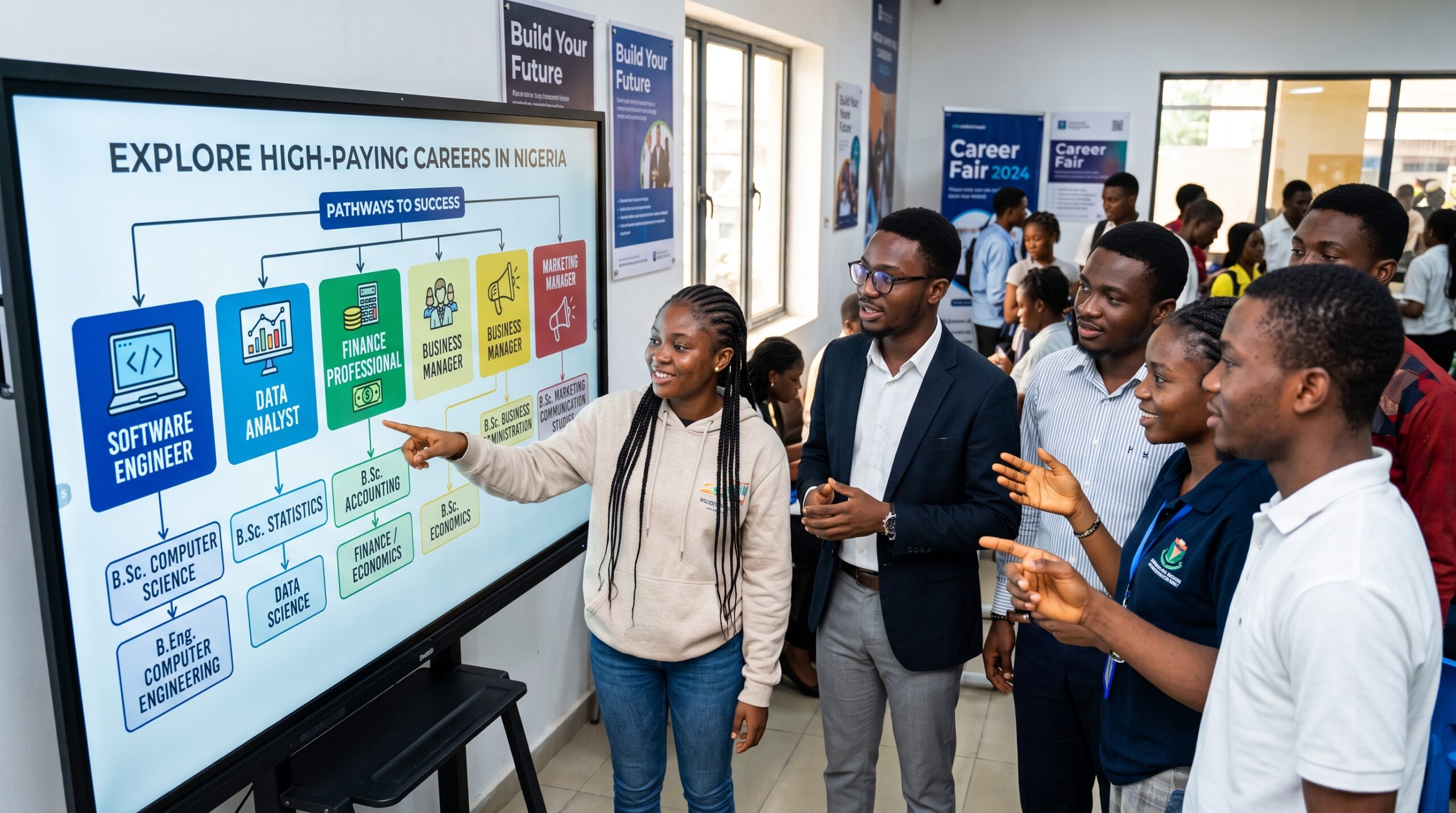
The landscape of higher education across Africa is changing faster than ever before, and Nigeria is right at the center of this transformation. From virtual classrooms to AI-powered learning tools, the future of higher education in Nigeria is digital, dynamic, and deeply inclusive.
As technology continues to reshape how we live and work, it’s also redefining how we learn. Universities are no longer confined to physical campuses. Instead, they’re extending their reach to students in every part of the country, and even across borders through online and blended learning models.
At the forefront of this shift is EduTech Business, a trusted platform connecting Nigerian students with accredited online programs and innovative learning experiences.
The Digital Shift in African Universities

Across Africa, the higher education sector is undergoing a massive digital evolution. From Kenya to South Africa, institutions are embracing technology to improve learning outcomes, reduce costs, and expand access. Nigeria, in particular, is making impressive strides in this area.
Driven by a young population and growing internet access, Nigerian universities are integrating Learning Management Systems (LMS), virtual classrooms, and mobile learning tools to make education more accessible than ever before. Students can now attend lectures, submit assignments, and collaborate on projects all from their phones or laptops.
The future of higher education in Nigeria is not about replacing traditional classrooms, but enhancing them. Blended learning models, which combine face-to-face instruction with digital tools, are giving students flexibility without compromising quality.
EduTech Business plays a major role in this transformation by helping institutions digitize their programs and enabling students to earn degrees online from accredited universities such as ABU Distance Learning Centre and Babcock University Online.
Key Technologies Driving the Future of Education

Technology is the engine powering the future of higher education in Nigeria. The most significant innovations include Artificial Intelligence (AI), Learning Management Systems (LMS), and virtual classrooms that create immersive learning experiences.
- AI in Education: Artificial Intelligence is helping universities personalize learning experiences. Through AI-powered tutoring, data-driven insights, and predictive analytics, students receive customized support that boosts performance. According to UNESCO’s report on Higher Education Transformation, AI and automation are redefining how students interact with course content and instructors.
- Learning Management Systems (LMS): LMS platforms are becoming the backbone of digital education. They allow instructors to upload lessons, track student progress, and engage learners through quizzes, discussions, and real-time feedback.
- Virtual Classrooms and Mobile Learning: Virtual classrooms have made it possible for students in rural or remote areas to learn from top lecturers anywhere in the world. Combined with mobile learning apps, students can access materials offline, ensuring education remains uninterrupted.
EduTech Business is actively implementing these technologies across partner institutions helping Nigerian universities deliver seamless, scalable online learning experiences.
How Digital Education Expands Access
In the past, many Nigerians faced barriers to higher education due to distance, cost, or limited university spaces. Today, that’s changing rapidly thanks to online learning.
Through EduTech’s digital partnerships, students in remote areas can now enroll in fully accredited degree programs without relocating or giving up their jobs. Whether it’s a working professional in Port Harcourt, a teacher in Kano, or a young mother in Ibadan, digital learning bridges the gap between ambition and access.
By expanding opportunities beyond traditional classrooms, the future of higher education in Nigeria is becoming more inclusive and equitable.
EduTech Business ensures that each student’s journey is supported from application to graduation, offering flexible payments, 24/7 academic assistance, and career guidance. The platform also provides tools that help students stay on track and complete their studies successfully, regardless of their background or location.
This transformation is creating a ripple effect across Nigeria. More graduates are emerging with digital literacy, time management skills, and adaptability, all crucial for the evolving job market.
Government and Institutional Support for E-Learning

The future of higher education in Nigeria isn’t being shaped by private innovation alone, the government is also playing a vital role.
Over the past few years, Nigerian education authorities have launched several initiatives to support digital transformation in universities. The National Universities Commission (NUC) has developed e-learning policies that encourage institutions to integrate online teaching into their curriculums. In addition, the Federal Ministry of Education continues to support partnerships that promote technology-driven learning models.
Many universities are following suit by adopting hybrid or fully online programs. For example, Ahmadu Bello University (ABU) and Babcock University, both EduTech partners have built robust online platforms that deliver high-quality, NUC-approved degrees.
This collaboration between public policy, private EdTech providers, and universities is laying the foundation for sustainable digital education in Nigeria. As the World Bank’s report on Digital Skills in Africa highlights, building strong partnerships is essential to prepare African youth for the global digital economy.
EduTech Business embodies this partnership-driven model, combining technology, accreditation, and institutional collaboration to make learning more accessible and impactful.
Building a Future-Ready Workforce Through Online Learning

The world of work is changing and so must education. Employers today prioritize skills such as critical thinking, collaboration, and digital fluency. The future of higher education in Nigeria depends on aligning academic programs with these workforce needs.
Online learning offers exactly that advantage. Students develop digital competencies while studying, mastering tools used in remote and global workplaces. They also learn soft skills like communication, adaptability, and time management, essential for success in any modern career.
EduTech Business’s digital degree programs are designed to help students become future-ready. Through interactive projects, mentorship opportunities, and access to global learning resources, learners gain both academic knowledge and practical experience.
Moreover, as industries evolve from fintech to renewable energy, online education allows professionals to upskill continuously, ensuring their skills stay relevant. This lifelong learning culture is at the heart of Nigeria’s educational transformation.
EduTech’s commitment goes beyond course delivery. The platform also tracks learning outcomes, gathers feedback, and works closely with universities to refine digital teaching models. The result? Graduates who are confident, employable, and prepared to thrive in a technology-driven world.
Related Reads
If you’re interested in how digital transformation is shaping education in Nigeria, you’ll love these:
Each article explores how EduTech Business continues to make learning more accessible, affordable, and aligned with real-world opportunities.
Conclusion: The Future Is Digital and It’s Here
The future of higher education in Nigeria is no longer a distant dream; it’s unfolding right now. Digital transformation is breaking barriers, creating opportunities, and redefining how Nigerians learn and grow.
From AI-powered learning tools to flexible online degree options, the path forward is clear: education must adapt to the demands of the digital age. And with platforms like EduTech Business, that transition is smoother, smarter, and more inclusive.
Whether you’re a student, a professional, or an educator, this is your moment to embrace the future of learning. Visit our Homepage to explore available programs or Contact Us to speak with an EduTech advisor today.
The future belongs to those who learn, and in Nigeria, that future is powered by EduTech Business.
Written by Adebambo Fisher
Intern, Branding, Marketing & Communications