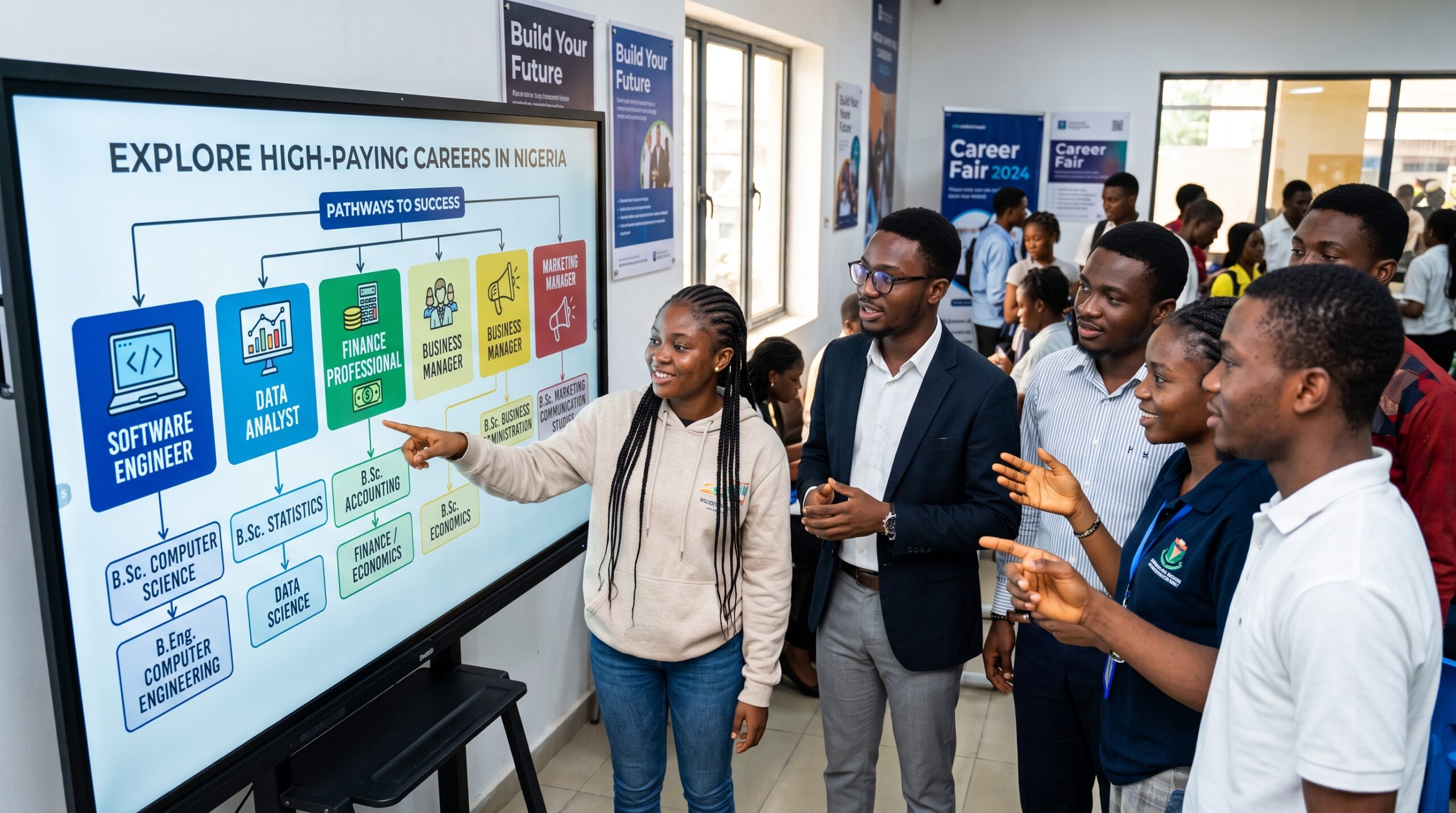
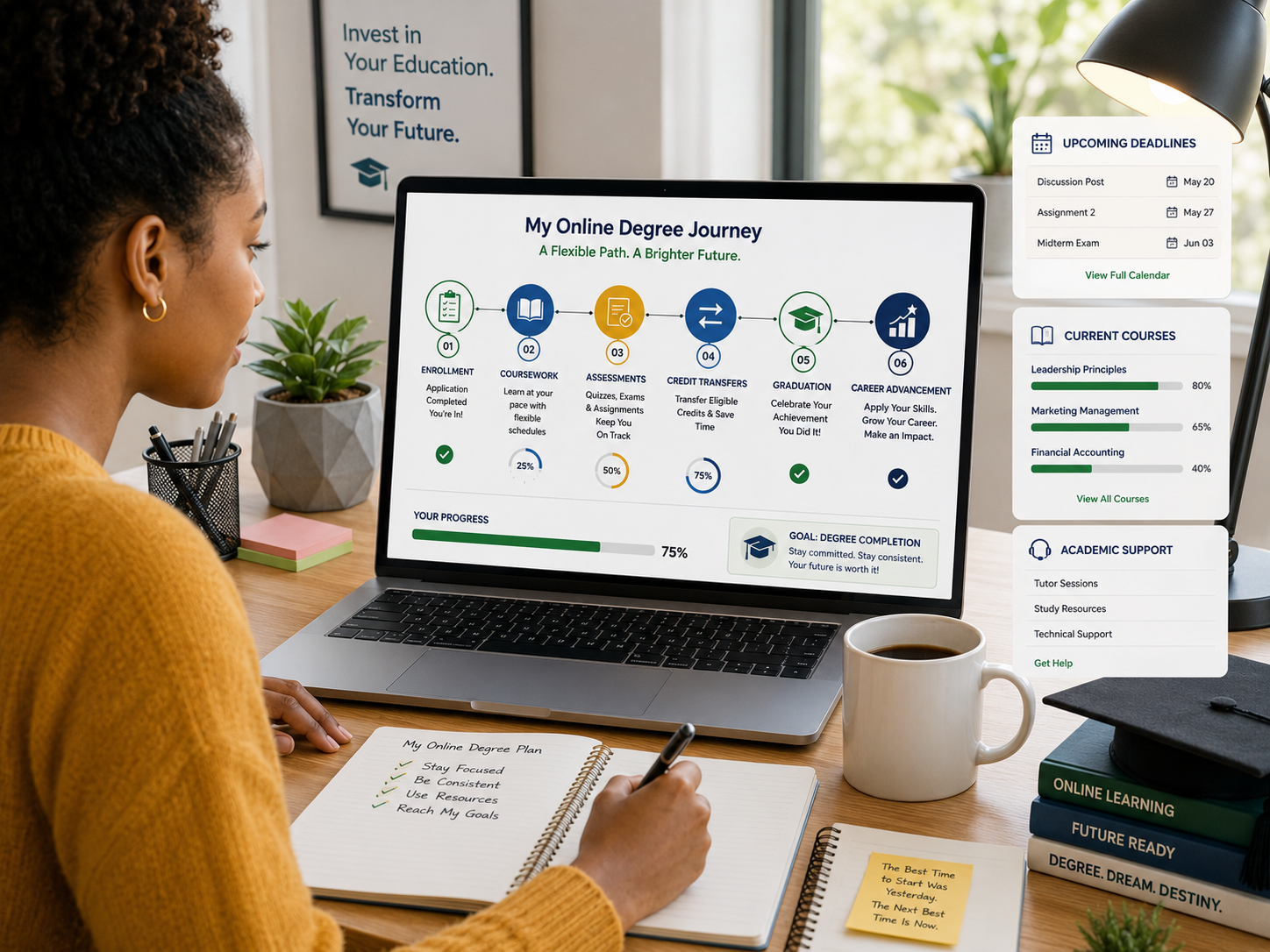
Every year, millions of Nigerian students dream about gaining admission into a university. For many, it’s not just about education, it’s about independence, shaping their careers, and opening doors to a brighter future. But here’s the truth: where you study matters.
For every young Nigerian, few decisions carry as much weight as deciding where to study. The university you choose shapes not only your academic journey but also your career prospects, friendships, lifestyle, and opportunities for the future. With over 170 accredited universities in the country, choosing among federal, state, and private can feel overwhelming. Family opinions, peer influence, finances, and even location all play a role. But to choose the right Nigerian university, you need to move beyond emotions and focus on facts.
The truth is, knowing how to choose the right Nigerian university is about much more than picking a big name. It’s about aligning your goals, your finances, and your long-term plans with an institution that supports your growth. Many students face challenges such as unclear admission processes, limited awareness of options, or pressure from family and peers.
This guide serves as a university selection guide to help you navigate the process confidently with practical tips, real insights, and the resources you need to make the smartest decision for your future.
Factors to Consider When Choosing a Nigerian University
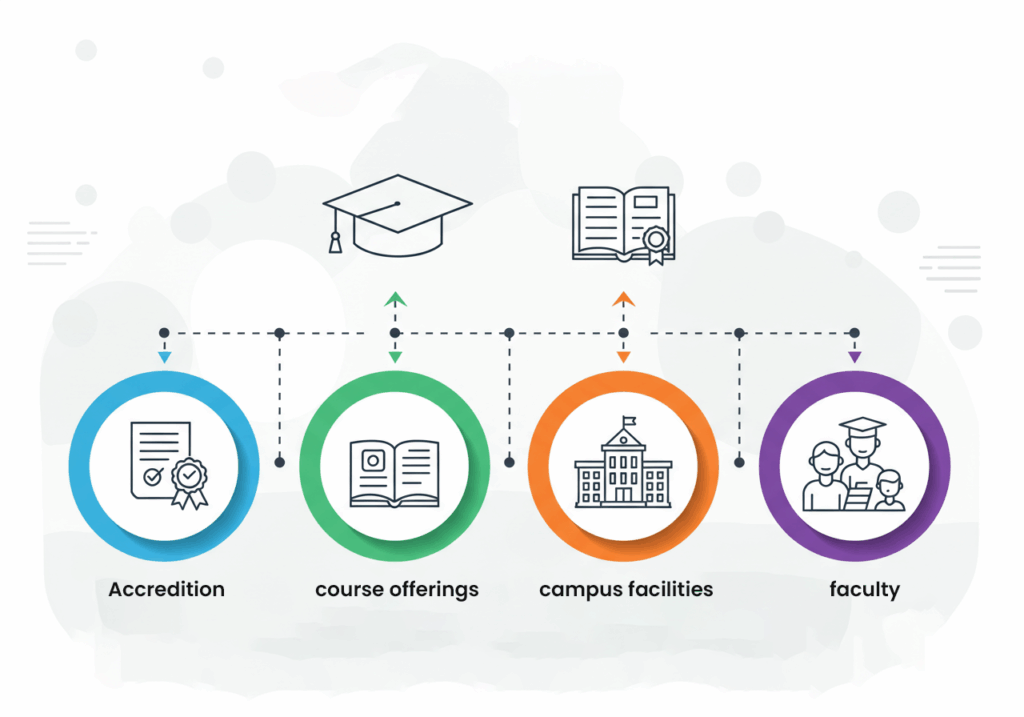
When students talk about the best universities in Nigeria, they often think of names like Obafemi Awolowo University, University of Ibadan, Ahmadu Bello University, University of Lagos, Covenant University, or Babcock University. But the “best” university for one student may not be right for another. Here’s how to evaluate:
- Accreditation and Reputation
The first step is ensuring the university is recognized by the National Universities Commission (NUC). Without accreditation, your degree may not be valid. Beyond accreditation, reputation matters. Reputation also matters. Employers and professional bodies respect certain universities more for specific fields. Some universities are known for their excellence in medicine, law, or engineering, while others excel in business or technology.
- Course Offerings and Career Alignment
Don’t just pick a popular school; confirm if it offers your preferred course. Some universities have stronger faculties in medicine, law, engineering, or the arts. If your dream is to work in IT, look for institutions with tech hubs, modern labs, and strong Computer Science programs.
This is where your long-term career goals intersect with your education. The World Bank’s education report highlights that industries like ICT, health sciences, and renewable energy will dominate the future. Choose a school that prepares you for tomorrow, not just today.
- Infrastructure and Campus Life
Beyond academics, consider the environment. Does the school have functioning libraries, reliable internet, comfortable hostels, and student support services like career counseling? A good campus culture can make your experience fulfilling.
For instance, private universities often emphasize discipline and structured environments, while federal universities offer more freedom and exposure. Knowing where you’ll thrive is part of learning how to choose the right Nigerian university.
These shape your personal and professional growth in Nigerian higher education.
How Admission Requirements Differ Across Universities

Admission into Nigerian universities is highly competitive, and the requirements differ across institutions. To choose the right Nigerian university, you need to understand these variations clearly:
- JAMB and Post-UTME
Every federal and state university sets a JAMB cut-off score. After that, many require you to sit for a Post-UTME exam. Always confirm the current requirements from the Joint Admissions and Matriculation Board (JAMB) to avoid surprises.
- Direct Entry Options
Students with A-level results, ND, HND, or professional certificates can apply through direct entry. This often allows entry into 200 or 300 level.
Missing deadlines can cost you a whole academic year. WAEC/NECO results, identification, and other documents in advance. This is one of the most important university admission tips you’ll ever follow.
Finding Universities That Offer Scholarships and Financial Aid

Finances remain one of the biggest challenges in Nigerian higher education. Tuition fees vary widely from federal schools to private universities. But don’t let money stop you. Scholarships and aid exist. Luckily, many opportunities exist:
- Government Scholarships
The Federal Ministry of Education regularly offers scholarships to eligible students. Some state governments also sponsor indigenes studying in state or federal universities.
- University Scholarships
Many of the best universities in Nigeria run merit-based scholarships for high-performing students.
- International Scholarships
Organizations like Education USA and Global agencies like UNICEF and World Bank advocate for improved access to education. Some of their programs trickle down into grants or opportunities for students.
Exploring these financial aid options helps you make the smartest decision and ensures you’re not limited by tuition alone.
Making the Right Decision Based on Career Goals
Another essential step when trying to choose the right Nigerian university is to ensure your course aligns with your career aspirations.
- Healthcare Careers: Prioritize universities with strong teaching hospitals and accredited nursing/medical schools.
- Tech Careers: Look for schools investing in digital innovation, coding labs, and tech hubs.
- Business and Management: Seek institutions with strong entrepreneurship centers and industry partnerships.
- Creative Industries: Universities with arts, media, and communication facilities will serve you better.
According to the World Bank Education in Nigeria report, future-ready industries like ICT, healthcare, and renewable energy will drive job growth. Choosing a university that prepares you for these fields puts you at an advantage.
Challenges Students Face When Choosing a university
Students often underestimate the complexity of university selection. Common challenges include:
- Limited Information: Many students depend on hearsay rather than verified resources.
- Peer Pressure & Family Expectations: Some students settle for a university because their friends are applying there.
- Unaccredited Institutions: Unfortunately, fake institutions still lure unsuspecting applicants.
- Financial Barriers: Quality education is sometimes expensive, and without scholarships, students are forced to compromise.
Awareness of these pitfalls helps you make better choices.
5-Step Checklist: How to Choose the Right Nigerian University
To simplify your journey, here’s a quick student-friendly checklist:
- Verify the university’s NUC accreditation.
- Confirm the course you want to study is offered.
- Review admission requirements (JAMB, Post-UTME, or direct entry).
- Research financial aid, bursaries, and scholarships.
- Align the program with your long-term career goals.
Follow these steps, and you’ll avoid common mistakes while improving your chances of admission success.
Pro Tips for Admission Success
Beyond the checklist, here are extra university admission tips:
- Start preparing early for JAMB/Post-UTME with mock tests.
- Build a reading routine to stay ahead.
- Explore online degree options as backups in case of delays with traditional programs.
- Stay updated with application deadlines via school websites and trusted education platforms like EduTech.
Conclusion
Choosing a university is one of the most important decisions you’ll ever make. By considering accreditation, admission requirements, scholarships, and career alignment, you’ll be in the best position to succeed academically and professionally.
Learning how to choose the right Nigerian university is about preparing for more than just four years of study, it’s about shaping the next 40 years of your life.
At EduTech Business, we support students with flexible learning opportunities and expert guidance. Whether you’re deciding between an online degree vs. professional certificate or exploring the top online degree programs in Nigeria, we’re here to help.
Check out our homepage for more resources or contact us today for personalized support.
Your future starts with one choice. Make it the right one.
Written by Adebambo Fisher
Intern, Branding, Marketing & Communications