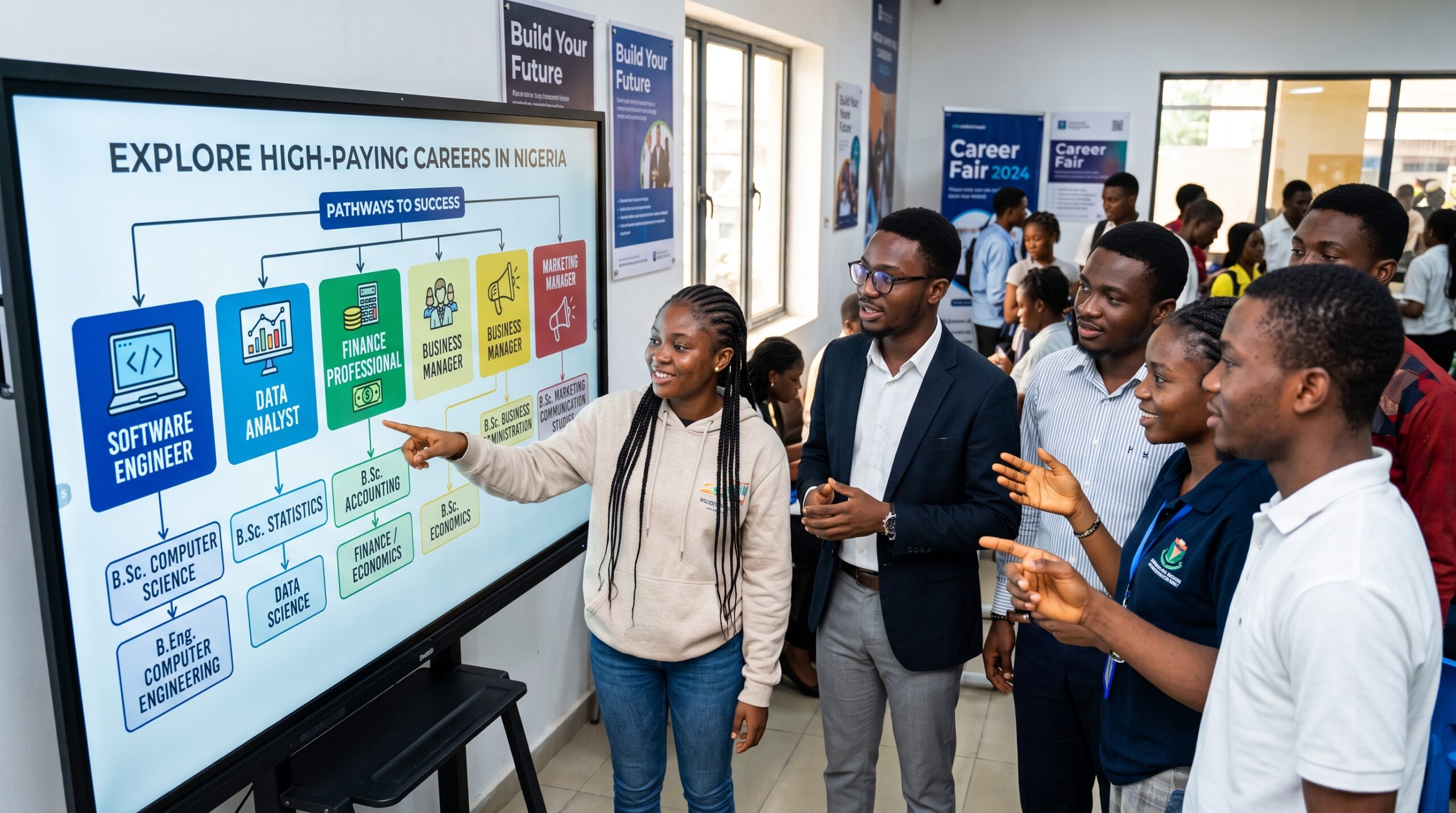
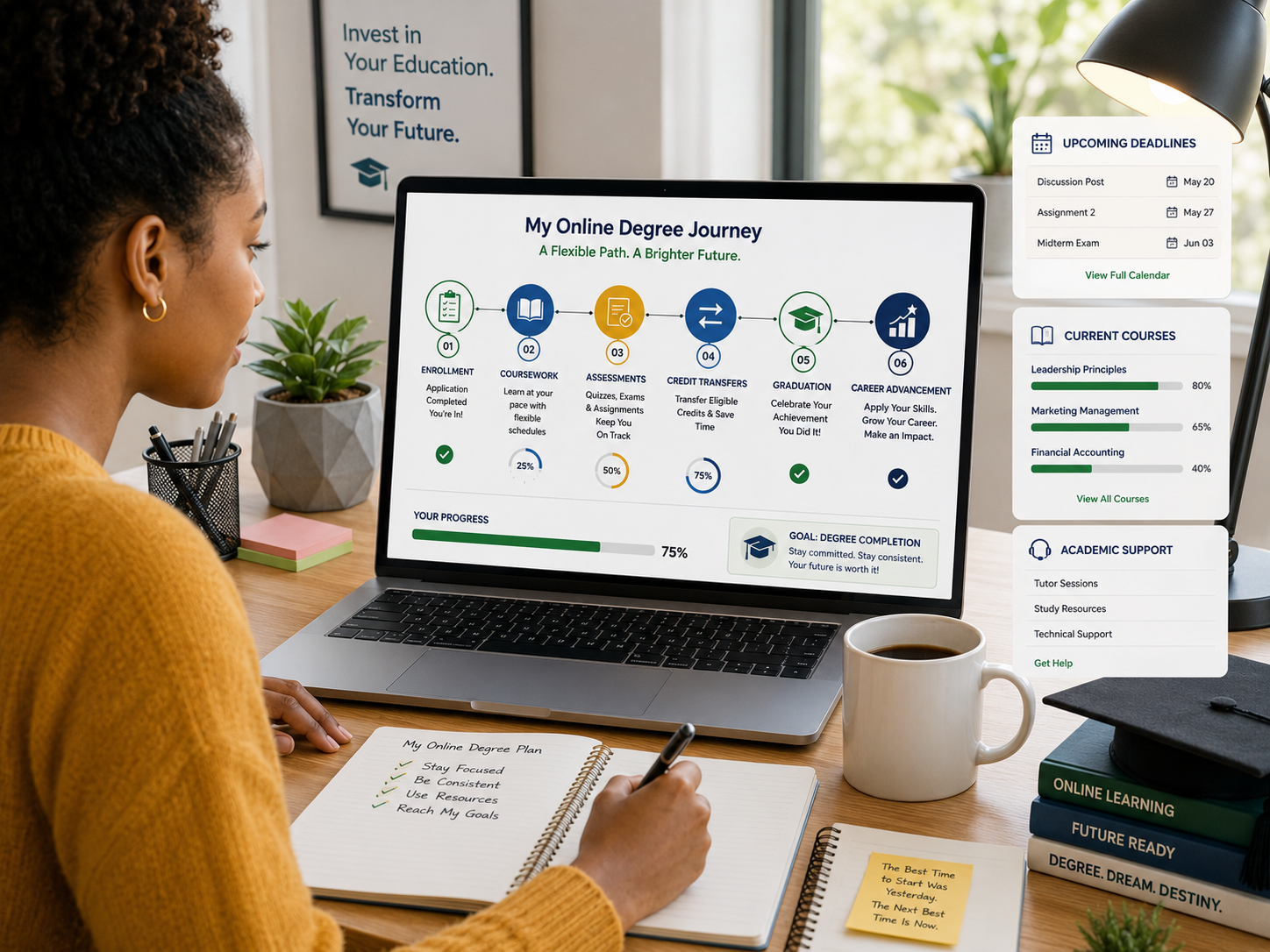
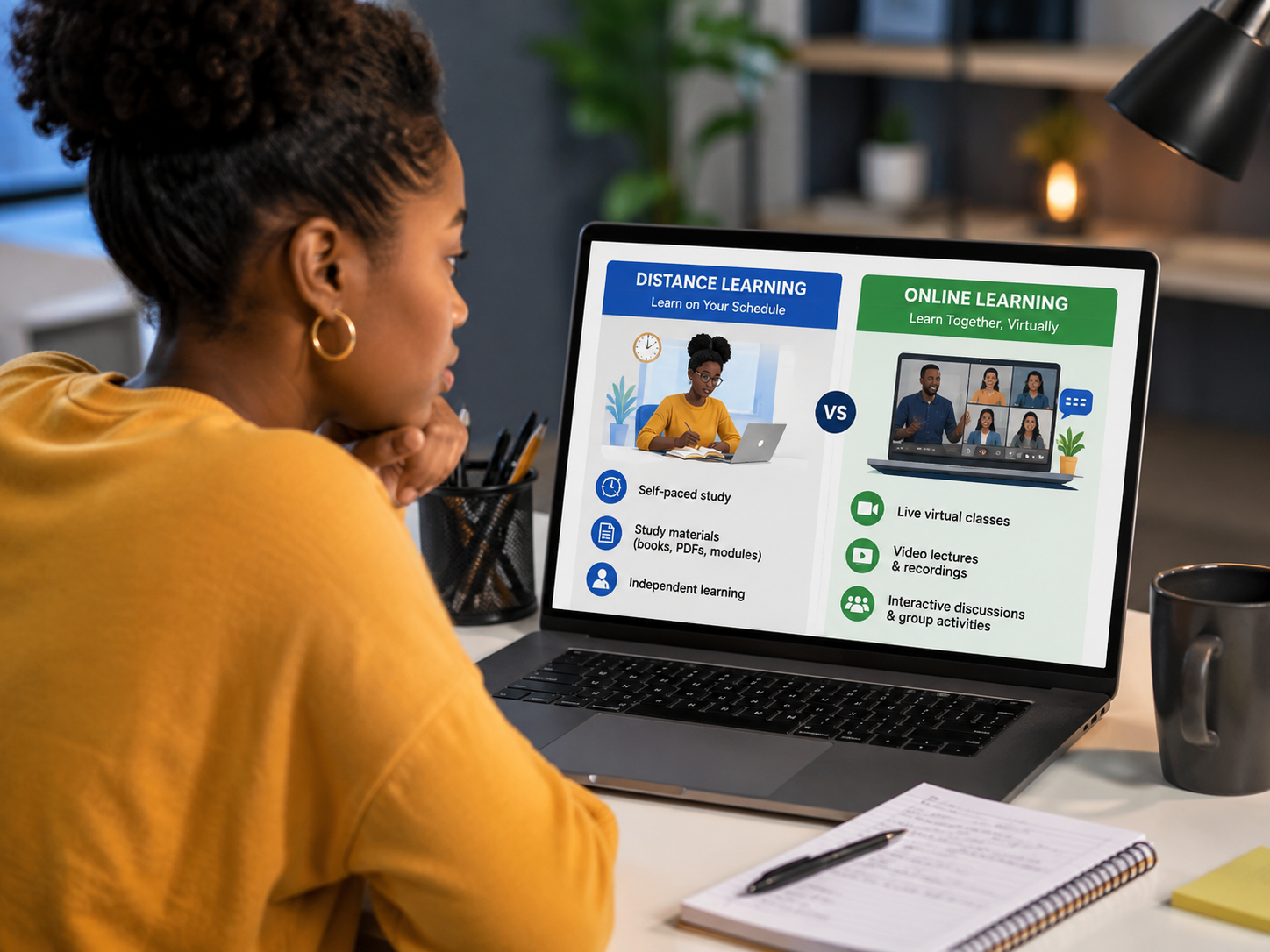
Nigeria’s educational landscape is experiencing a revolutionary transformation that promises to reshape how millions of students learn across the country. The future of Nigerian education hybrid model represents more than just a temporary solution to pandemic-era challenges—it’s becoming the cornerstone of a modernized learning ecosystem that combines the best of traditional classroom instruction with cutting-edge digital innovation.
As parents, students, and educators navigate this evolving terrain, understanding what hybrid education means and how to leverage its benefits has never been more critical. This comprehensive guide explores why Nigeria is embracing blended learning models and what this shift means for your educational journey.
Future of Nigerian Hybrid Education: Why the Shift Is Happening

The transition toward hybrid learning in Nigeria isn’t happening by accident—it’s driven by several compelling factors that address longstanding challenges in the country’s educational system.
Addressing Access Gaps Through Technology
Nigeria faces significant educational access challenges, with millions of school-age children unable to attend traditional schools due to geographical barriers, security concerns, or economic constraints. The hybrid learning approach in Nigeria offers a practical solution by extending quality education to remote areas through digital platforms while maintaining the human connection that in-person learning provides.
Curricular Reforms and Digital Skills Integration
The Nigerian government has recognized that preparing students for a digital economy requires more than traditional teaching methods. The National Information Technology Development Agency (NITDA) has partnered with the Federal Ministry of Education to embed digital literacy as a mandatory component across all levels of education to ensure every Nigerian student graduates with 21st-century digital skills. This shift acknowledges that future workforce demands require students who are comfortable navigating both physical and virtual learning spaces, with comprehensive digital literacy initiatives driving the transformation of Nigeria’s educational landscape toward hybrid learning models.
Infrastructure Development and Digital Expansion
Nigeria’s expanding internet infrastructure and increasing smartphone penetration create unprecedented opportunities for educational innovation. The NITDA Digital State Initiative represents a comprehensive programme designed to train Nigerians aged 16 to 40 years in digital literacy, supporting the broader goal of achieving 70% digital literacy by 2025. This initiative uses a hybrid delivery model, combining online learning flexibility with in-person instruction benefits, making hybrid education more feasible than ever before.
Cost-Effectiveness and Scalability
Hybrid models offer significant cost advantages for both institutions and families. Schools can serve more students without proportionally increasing physical infrastructure, while families can access quality education without bearing the full cost of traditional boarding or private school fees.
What Hybrid Learning Means for Students and Educators

Understanding the blended education model requires recognizing how it fundamentally changes the learning experience for all stakeholders involved.
For Students: Flexibility Meets Structure
Hybrid learning combines the flexibility of online education with the accountability and social interaction of traditional classrooms. Students can access recorded lectures, digital resources, and interactive content at their own pace while still benefiting from face-to-face discussions, laboratory work, and collaborative projects that require physical presence.
This online and in-person learning approach allows students to develop crucial self-management skills while maintaining the peer relationships and mentor guidance that are essential for holistic development. Students learn to navigate digital tools, manage their time effectively, and take greater ownership of their learning journey.
For Educators: Enhanced Teaching Tools and Methods
Teachers in hybrid environments gain access to powerful educational technologies that can personalize instruction, track student progress more effectively, and create engaging multimedia content. The model allows educators to focus in-person time on high-value activities like discussion, problem-solving, and hands-on learning while using digital platforms for content delivery and assessment.
Professional development opportunities for teachers have expanded significantly, with many institutions providing training in digital pedagogy, learning management systems, and student engagement strategies specific to hybrid environments.
For Parents: Greater Involvement and Visibility
Parents gain insight into their children’s learning progress through digital platforms that provide real-time updates on assignments, assessments, and classroom activities. This transparency enables more informed support at home and stronger partnerships between families and schools.
Government and School Initiatives Supporting Hybrid Education
Nigeria’s commitment to hybrid education is evident through various government and institutional initiatives that are building the foundation for widespread adoption.
National Curriculum Integration
The Nigerian Educational Research and Development Council (NERDC) has been working to integrate digital skills and technology literacy into the national curriculum. Digital skills must be seamlessly integrated into the existing curriculum across subjects, rather than being treated as separate or optional courses, ensuring that all students acquire essential digital competencies regardless of their academic interests. NITDA’s partnership with the Federal Ministry of Education focuses on embedding digital literacy as a mandatory component across all educational levels, with curriculum development, teacher training, capacity building, and infrastructure deployment as key features. Leading institutions like Nile University are pioneering innovative approaches to future-ready education in Nigeria, serving as models for curriculum integration. This comprehensive approach to digital skill enhancement curriculum represents a fundamental shift in how Nigeria prepares students for the digital economy.
Public-Private Partnerships
Collaboration between government agencies, telecommunications companies, and educational technology providers has resulted in programmes that subsidize internet access for students and provide devices for low-income families. These partnerships are crucial for ensuring that hybrid learning doesn’t exacerbate existing educational inequalities.
Pilot Programs and Success Stories
Several states have launched pilot programmes testing hybrid learning models in public schools. NITDA has partnered with states like Benue to establish 15 pilot smart secondary schools, where cutting-edge digital skills, including artificial intelligence (AI) and coding, are integrated into the curriculum. These initiatives provide valuable data on implementation challenges, student outcomes, and resource requirements that inform larger-scale rollouts. Universities and private institutions have also pioneered innovative approaches to blended learning, with institutions like KEY Academy implementing project-based learning models that other institutions can adapt and implement.
Benefits and Challenges of Hybrid Learning Models
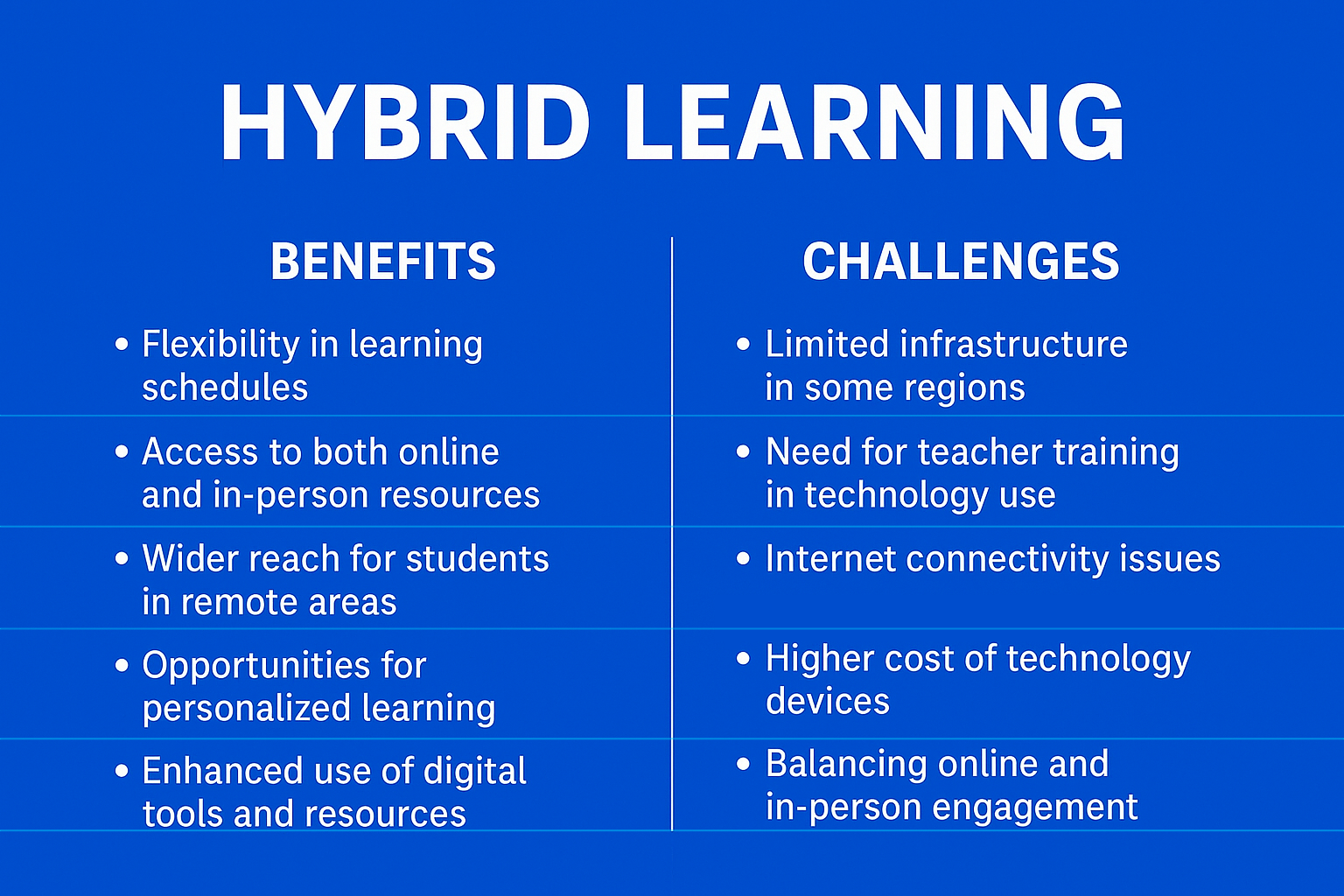
Like any educational innovation, hybrid learning presents both significant opportunities and notable challenges that must be carefully managed.
Key Benefits:
Enhanced Accessibility: Students in rural or underserved areas can access quality educational content and expert instruction that might otherwise be unavailable in their local schools.
Personalized Learning Pace: Digital platforms allow students to review difficult concepts, skip material they’ve mastered, and learn at speeds that match their individual needs and learning styles.
Improved Digital Literacy: Regular use of educational technology naturally develops the digital skills that are increasingly essential in higher education and professional settings.
Cost Efficiency: Families can reduce transportation costs, school fees, and other expenses associated with traditional full-time schooling while still receiving quality education.
Flexible Scheduling: Students can balance education with family responsibilities, part-time work, or other commitments more easily than with rigid traditional schedules.
Critical Challenges:
Infrastructure Limitations: Inconsistent electricity supply and limited internet connectivity in some areas can disrupt the learning process and create frustration for students and teachers.
Digital Divide: Not all families have equal access to devices, high-speed internet, or technical support, potentially creating or widening educational inequalities.
Teacher Training Needs: Many educators require significant professional development to effectively integrate technology into their teaching practices and manage hybrid learning environments.
Student Motivation and Engagement: Some students struggle with the self-discipline required for online learning components and may need additional support to stay engaged.
Assessment and Quality Assurance: Ensuring academic integrity and maintaining educational standards across hybrid formats requires new approaches to testing and evaluation.
How to Prepare for Hybrid Learning as a Student or Parent
Successfully navigating the shift to hybrid education requires proactive preparation and strategic planning from students and families.
Choosing Tech-Ready Educational Institutions
When selecting schools, prioritize institutions that have demonstrated commitment to hybrid learning through investments in technology infrastructure, teacher training, and student support services. Look for schools that offer comprehensive learning management systems, reliable technical support, and clear communication channels between home and school.
Research the school’s internet connectivity, device policies, and backup plans for technology failures. Schools that have successfully implemented hybrid models typically have robust IT support teams and established protocols for helping students overcome technical difficulties.
Investing in Essential Technology
Ensure access to reliable devices that can handle video conferencing, online assignments, and multimedia content. While smartphones can provide basic access, tablets or computers offer better experiences for most learning activities.
Establish a dedicated learning space at home with good lighting, minimal distractions, and reliable internet connectivity. Consider investing in backup internet options, such as mobile data plans, to ensure continuity during outages.
Developing Essential Skills
Students should develop strong time management skills, as hybrid learning often requires more self-direction than traditional classroom settings. Practice using common educational technologies, including video conferencing platforms, document sharing systems, and online collaboration tools.
Communication skills become even more important in hybrid environments, where students must actively participate in online discussions and clearly express questions or concerns through digital channels.
Staying Adaptable and Embracing Change
The digital education landscape continues evolving rapidly, with new tools, platforms, and teaching methods emerging regularly. Maintain an open mindset toward trying new technologies and learning approaches.
Build networks with other hybrid learning families to share resources, troubleshoot challenges, and support each other through the transition.
Leveraging Educational Technology Resources
Explore the growing ecosystem of educational technology tools that can supplement formal instruction. Many platforms offer free or low-cost resources for skill development, test preparation, and subject-specific learning.
Stay informed about government and institutional support programmes that might provide device subsidies, internet access, or technical training for families transitioning to hybrid learning.
Embracing Nigeria’s Educational Future
The future of the Nigerian education hybrid model represents a fundamental shift toward more inclusive, flexible, and technology-enhanced learning experiences. While challenges remain, the potential benefits for students, families, and society are substantial.
Success in this new educational landscape requires collaboration between government agencies, educational institutions, technology providers, and families. By working together to address infrastructure limitations, provide adequate training, and ensure equitable access, Nigeria can build an educational system that prepares students for success in an increasingly digital world.
The transition to hybrid learning isn’t just about adopting new technologies—it’s about creating educational experiences that are more responsive to individual needs, more accessible to underserved populations, and more aligned with the skills demands of the modern economy.
As Nigeria continues embracing this educational transformation, students and families who proactively prepare for hybrid learning will be best positioned to thrive in this exciting new era of education. The future is hybrid, and that future is filled with unprecedented opportunities for learning, growth, and success.
To explore how hybrid learning can benefit your educational journey, Visit our homepage and see more resources or contact our team for personalized guidance on navigating Nigeria’s evolving educational landscape.