In today’s increasingly interconnected world, joint degree programs in Nigeria are fast becoming a strategic tool for elevating the country’s higher education system. These programs not only enhance the reputation of Nigerian universities but also create real opportunities for students to gain a global academic edge.
Joint degree programs in Nigeria are designed to help institutions tap into international expertise, improve academic quality, and increase their global visibility. Let’s explore how they work, the benefits they bring, and what universities and students should look for.
What Are Joint Degree Programs in Nigeria?
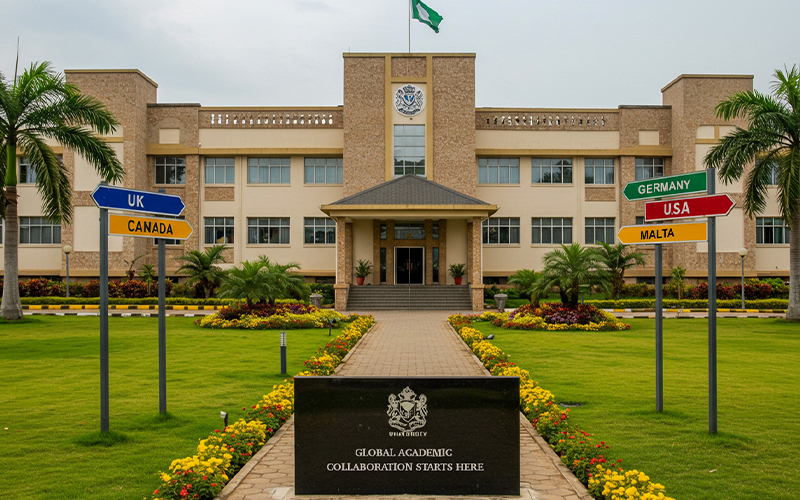
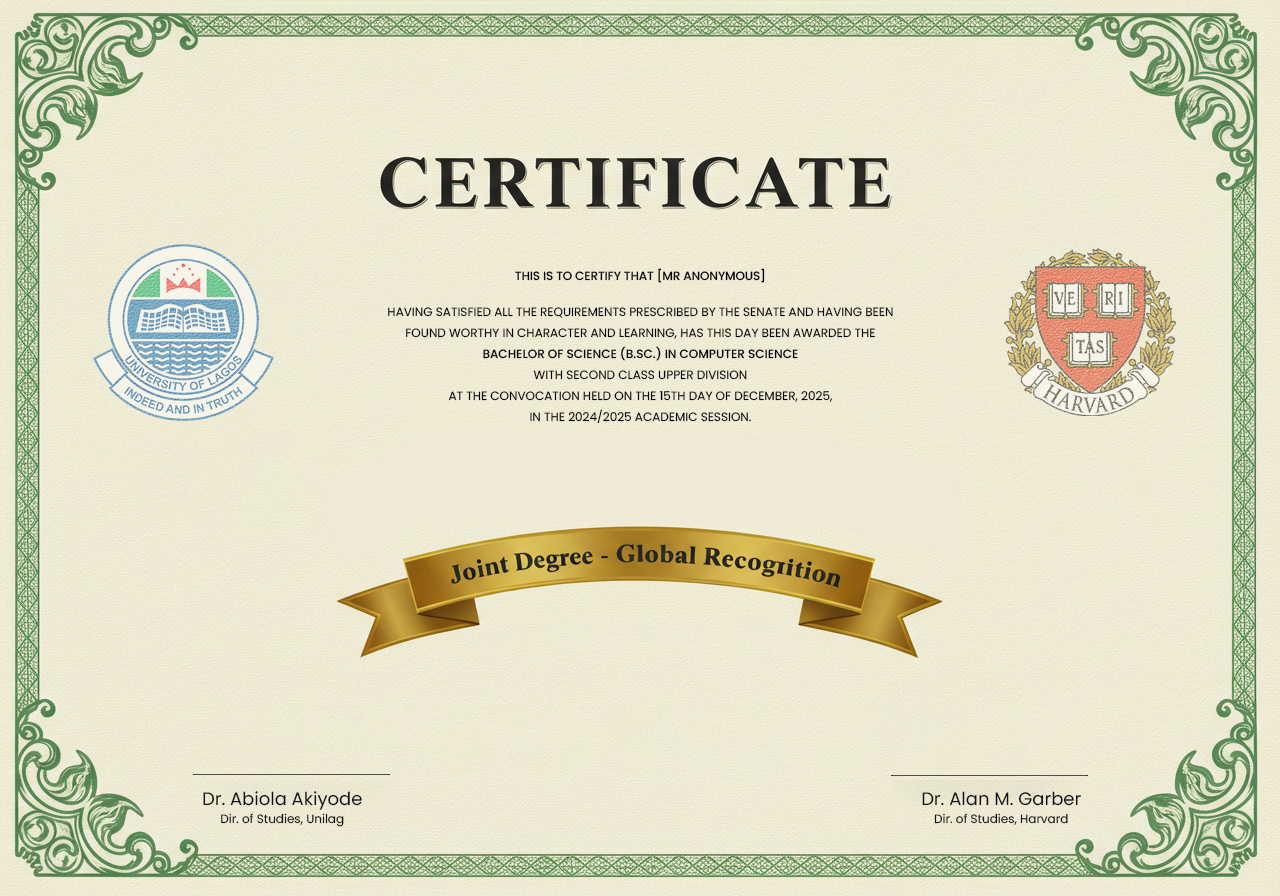
Joint degree programs in Nigeria involve two or more universities often across borders collaborating to offer a single, co-branded degree. These programs may also be referred to as dual degree programs in Nigeria or academic synergy programs.
- Typically includes a blend of local and foreign coursework
- Degrees are jointly issued or co-signed by both institutions
- Students often study in both countries and through hybrid formats
This form of cross-border higher education promotes the exchange of best practices, academic resources, and shared faculty supervision.
How Joint Degree Programs Expand Global Reach
One of the most transformative aspects of joint degree programs in Nigeria is their ability to increase global recognition for Nigerian universities.
Key advantages include:
- Higher chances of inclusion in global university rankings
- Broader research collaborations and co-authored publications
- Access to international conferences and funding
- Greater visibility among prospective foreign students
Through international university partnerships, Nigerian institutions can raise their profiles on the world stage, attract global talent, and position themselves as serious players in the education space.
Benefits for Nigerian Universities & Students

As Nigeria continues to position itself on the global academic map, international university partnerships have become a cornerstone of this transformation. These collaborations enable institutions to offer dual degree programs in Nigeria, allowing students to earn credentials recognized both locally and abroad. More than just formal agreements, they reflect a broader commitment to cross-border higher education, where knowledge, research, and resources are exchanged seamlessly between nations. These partnerships also foster global collaboration in Nigerian universities, encouraging joint faculty efforts, co-authored publications, and culturally enriched learning environments. At the heart of this movement are academic synergy programs carefully structured initiatives that align curricula, blend teaching methods, and enhance the academic experiences of students and educators alike.
Joint degree and dual degree programs in Nigeria offer tangible benefits to both students and universities:
For Students:
- Exposure to international teaching styles and curriculum
- Broader career opportunities at home and abroad
- Language acquisition and cross-cultural skills
- Scholarship opportunities and reduced financial burden
For Universities:
- Enhanced research output and grant access
- Improved teaching methodologies
- International accreditation and rankings boost
These partnerships support global collaboration in Nigerian universities by enabling shared learning, mutual innovation, and the development of curricula that meet international standards.
Building Quality-Controlled International Partnerships
Not all joint degree programs in Nigeria are created equal. Quality assurance is key. To ensure long-term success, institutions must build partnerships that are:
- NUC-approved: Programs must align with the Nigerian Universities Commission (NUC) standards
- Curriculum-aligned: Credit systems and learning outcomes must match
- Faculty-integrated: Both institutions should contribute to course delivery
- Transparent on cost: Tuition, fees, and scholarship options must be clear
Institutions should also consider partners who uphold global standards and accreditations, like those promoted by UNESCO, World Bank, or British Council.
Success Stories from Nigerian Institutions
Several universities in Nigeria have successfully launched joint degree programs that are gaining international recognition:
- University of Ibadan collaborated with the University of London on a postgraduate program in Public Health, giving students the option to earn degrees recognized across Europe.
- Covenant University partnered with Arizona State University for STEM-based research exchanges and dual certifications.
These success stories reflect how academic synergy programs can create measurable outcomes, both in terms of global reach and educational quality.
What to Look for in Joint Degree Collaborations
If you’re a student or university administrator exploring joint degree programs in Nigeria, here’s what to prioritize:
- Accreditation: Ensure the program is recognized by NUC and the international partner’s regulatory body
- Credit Transfer Clarity: Credits must be clearly transferable between institutions
- Cost Transparency: Be wary of hidden fees
- Support Services: Does the program offer mentoring, career services, or student support abroad?
These checkpoints ensure that the partnership delivers real value and not just prestige on paper.
Challenges and Solutions in Implementing Joint Degree Programs
Even with all the potential, establishing joint degree programs in Nigeria isn’t without challenges. Many institutions face issues such as:
- Bureaucratic Delays: Navigating local and foreign regulatory bodies can slow down approvals.
- Funding Constraints: Joint programs often require higher administrative costs and travel budgets.
- Technology Gaps: Online delivery formats need stable infrastructure, which may be lacking in some regions.
- Cultural and Academic Misalignment: Differences in grading systems, curriculum depth, and student support may affect smooth collaboration.
How Institutions Can Overcome These Challenges:
- Digital Innovation: Invest in reliable learning management systems and virtual labs to support blended learning.
- Early Stakeholder Involvement: Engage regulators, faculty, and students early to align expectations.
- Strategic Funding: Apply for grants from bodies like the World Bank or partner organizations like the British Council.
- Capacity Building: Regular training for staff involved in cross-border programs enhances delivery and reduces friction.
By anticipating these hurdles and proactively addressing them, universities can build resilient and impactful international university partnerships.
The Role of EdTech in Joint Degree Programs
With the rise of educational technology, implementing joint degree programs in Nigeria is becoming more seamless. Learning Management Systems (LMS), virtual classrooms, AI tutors, and collaboration platforms now allow universities to deliver hybrid international programs without requiring constant physical exchange.
EdTech also supports global collaboration in Nigerian universities by automating academic processes, improving communication across borders, and enhancing student engagement through personalized learning tools. These innovations reduce cost, increase scalability, and help institutions maintain consistent quality even across different continents.
Why Joint Degree Programs Matter Now More Than Ever
As Nigerian universities compete in a global education market, joint degree programs serve as a bridge to relevance, innovation, and influence. They also align with national goals to improve research, workforce readiness, and educational exports.
The rise of cross-border higher education is not just a trend, it’s a strategic imperative.
Ready to Take the Leap?
If you’re a university leader, now is the time to explore international university partnerships that can future-proof your institution. And if you’re a student, consider applying to programs that offer global exposure without needing to leave your country permanently.
At EduTech Business, we support higher institutions in Nigeria looking to scale their joint degree programs. Whether you’re just exploring the idea or already piloting international collaborations, our platform offers resources, technical assistance, and strategic matchmaking with global academic partners.
Join our growing list of partner universities shaping the future of African education through cross-border higher education. Let’s amplify your institution’s global voice starting today.
Learn more about how your institution can participate in strategic academic partnerships. Visit our homepage or contact us to get started on building transformative academic partnerships.
You can read and discover how your school can start building international bridges and learn how innovation and collaboration are reshaping African universities.
Written by Adebambo Fisher
Intern, Branding, Marketing & Communications