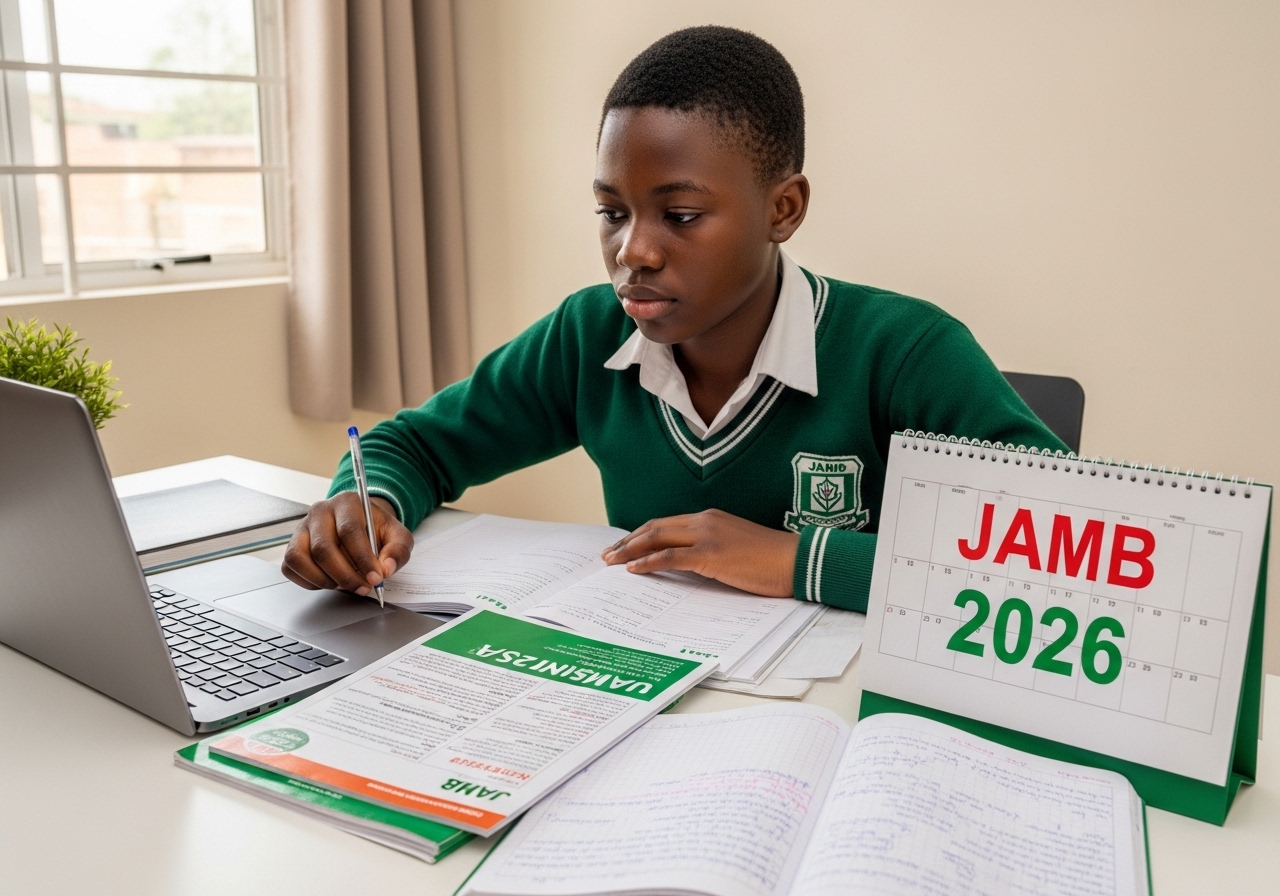
Introduction – Why Building an Academic Portfolio Matters for Nigerian Students
In today’s competitive academic environment, grades alone are no longer enough to win fully funded scholarships and fellowships. Selection committees want to see evidence of academic potential beyond transcripts, your ability to research, lead, innovate, and make an impact in your field. This is where learning how to build an academic portfolio in Nigeria becomes essential.
For Nigerian students, an academic portfolio serves as a comprehensive record of achievements, experiences, and projects that demonstrate readiness for opportunities at both local and international levels. A well-structured student portfolio showcases your initiative, intellectual curiosity, and long-term goals, helping you stand out among thousands of applicants.
When scholarship panels review applications, they’re not just looking for high GPAs. They want students who have shown creativity, leadership, and a commitment to research or community service. That’s why building an academic portfolio in Nigerian style, one that tells your story authentically and strategically, can make the difference between being shortlisted and being overlooked.
Core Elements to Include in a Scholarship-Winning Portfolio

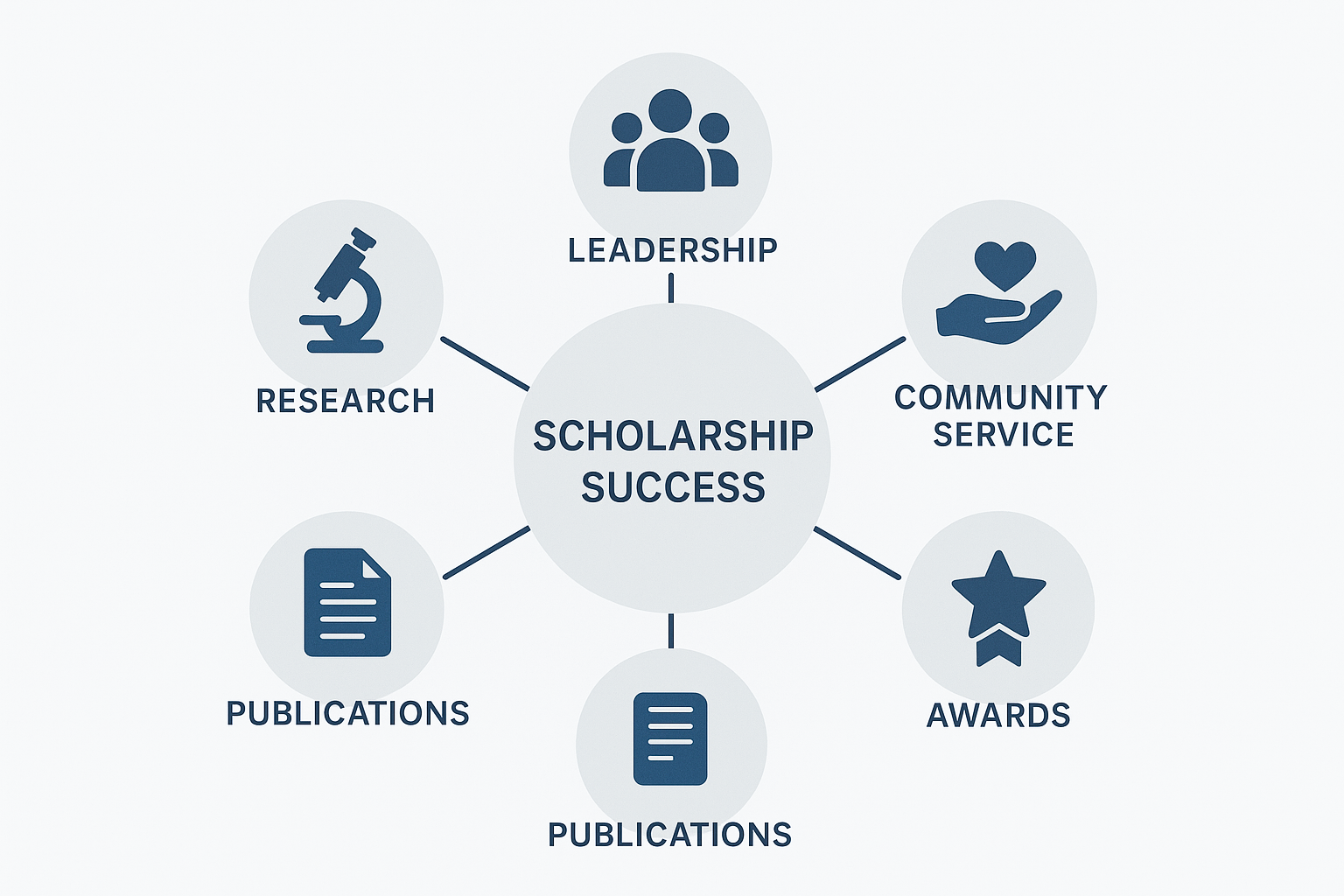
A scholarship-ready academic profile in Nigeria is more than just a CV. It’s a curated reflection of your journey as a learner, researcher, and leader. Here are the essential components to include when you build an academic portfolio in Nigeria, students can use to compete globally:
1. Research Projects (with Abstracts and Outcomes)
If you’ve participated in undergraduate research, capstone projects, or independent studies, include them with short abstracts, results, and your role in the project.
- Highlight your problem-solving and analytical skills.
- Mention tools or methodologies used.
- Add links to published reports, if available.
This not only strengthens your research portfolio but also positions you for postgraduate research or funded fellowships like Fulbright Foreign Student Program – Nigeria.
2. Publications or Conference Presentations
If your work has been published, even in student journals or online repositories, include citation details.
- Mention any poster sessions or conference talks.
- If possible, link to your publication on platforms like Google Scholar or ResearchGate.
This demonstrates academic credibility and enhances your scholarship readiness profile.
3. Volunteer Work, Leadership Roles, and Extracurriculars
Committees value applicants who demonstrate leadership and service.
- Include community service projects, campus organizations, or tutoring roles.
- Focus on impact: How did your involvement help others?
- Connect this to your academic interests or goals.
For instance, leading an environmental club could strengthen applications for sustainability-related fellowships or programs like the Jim Ovia Scholars Program.
4. Awards, Certifications, and Special Recognitions
Scholarship reviewers often look for validated achievements.
- List academic honors, departmental awards, and competitions won.
- Include online course certificates (Coursera, edX, LinkedIn Learning).
- Add any relevant skill-based badges (data analysis, public speaking, etc.).
These reinforce your academic profile in Nigeria and show continuous learning beyond the classroom.
How to Showcase Your Work Effectively

A strong student portfolio is not only about content but also presentation. Here’s how to organize and display your accomplishments so reviewers can easily assess your potential:
1. Use a Personal Website or Academic CV
Creating a personal website gives your achievements a professional, easily shareable format. Include a link on your CV or LinkedIn profile.
- Use platforms like WordPress, Wix, or Notion.
- Include sections: Bio, Research, Awards, Publications, and Volunteering.
If a website feels too technical, a well-structured academic CV (1–2 pages) is also acceptable.
2. Create Digital Portfolios with Rich Media
Add visuals such as:
- Images of research projects or fieldwork
- PDF samples of abstracts, reports, or certificates
- Short video clips introducing your project or research topic
This approach helps your research portfolio stand out visually, especially if you apply to international institutions like the University of Manchester Scholarships for Nigerian Students.
3. Link GitHub, Google Scholar, or Academic Repositories
For tech-savvy students, linking to online repositories adds credibility.
- GitHub for coding or data analysis projects
- Google Scholar for publications
- SlideShare for presentation decks
These external references serve as proof of your work and enhance your digital presence for scholarship readiness.
Strategic Portfolio Planning Over Time
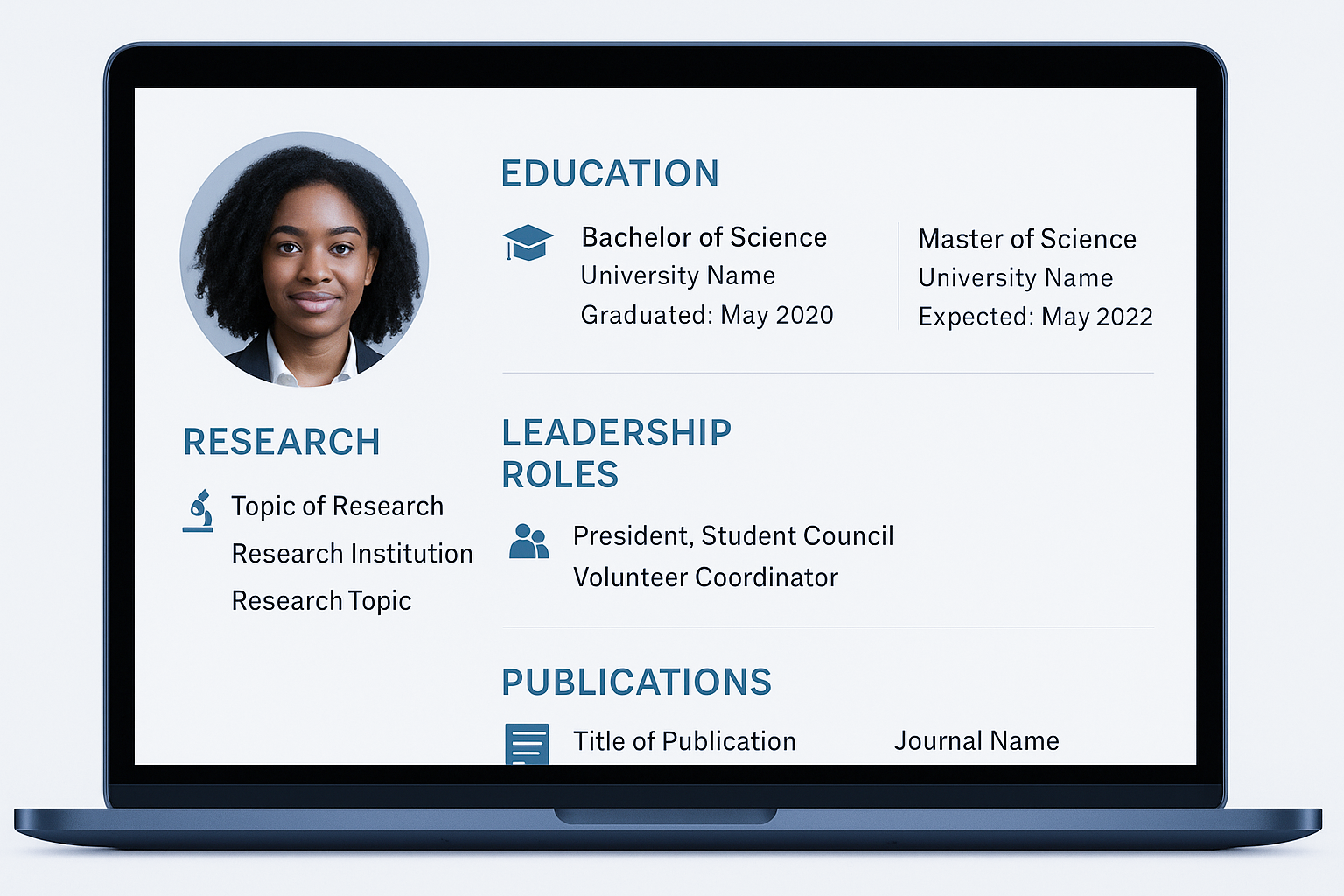
Building an impactful academic portfolio Nigeria students can rely on doesn’t happen overnight. It’s a gradual process that grows as you advance academically.
1. Start Early in Your Undergraduate Years
Begin compiling records from your first year.
- Save copies of award letters, certificates, and event photos.
- Keep a record of every research, seminar, or volunteer activity.
Starting early ensures your portfolio captures your full development.
2. Incrementally Add and Refine Components
Update your student portfolio every semester.
- Add new projects, remove outdated or irrelevant ones.
- Seek feedback from mentors or supervisors on layout and structure.
This continuous improvement ensures your academic profile Nigeria remains current and compelling.
3. Tailor Portfolio Pieces to the Scholarship or Fellowship’s Interests
Each scholarship has different focus areas; leadership, innovation, research, or social impact.
- For a research-based fellowship like ScholarshipRoar – Fully Funded Scholarships for Nigerian Students, emphasize academic work and publications.
- For leadership awards, showcase volunteer initiatives or mentoring.
Customization shows attention to detail and increases your scholarship readiness significantly.
Common Mistakes Students Make in Portfolios
Avoid these pitfalls when you build an academic portfolio Nigeria reviewers will respect:
1. Overloading Without Coherence
Including too many unrelated materials can confuse reviewers. Focus on quality and relevance over quantity.
2. Poor Presentation or Organization
Disorganized portfolios with inconsistent formatting reflect carelessness. Use clear headings, concise descriptions, and consistent dates.
3. Leaving Out Context or Explanations
Don’t just list achievements, explain them. Add short notes describing why each project was meaningful or how it connects to your study goals.
Conclusion – Turning Your Portfolio into Scholarship Success
Your academic journey is unique and your portfolio should reflect that. By learning how to build an academic portfolio in Nigeria, students can rely on it for global competitiveness, you get to position yourself for long-term success.
Start small: gather your achievements, create a structured digital record, and continue refining it. Each certificate, research paper, or leadership experience adds credibility to your profile and strengthens your chances when applying for top scholarships.
Remember, scholarship committees invest in potential. When you clearly document yours through a strong, thoughtful, and up-to-date academic profile in Nigeria, you don’t just apply for scholarships; you command attention.
So don’t wait for your final year to begin. Start today. Build, refine, and align your portfolio to your dream programs whether it’s the Fulbright Foreign Student Program – Nigeria, University of Manchester Scholarships, or the Jim Ovia Scholars Program.
And when you’re ready to take your next step, explore our guide on How to Apply for International Scholarships for tips on crafting winning applications. You can also discover degree pathways that complement your ambitions through the Best Online Nursing Degree Programs in Nigeria or browse the EduTech Business Homepage to find flexible online programs that fit your career goals.
Need help mapping your academic journey or building your digital portfolio? Contact us, our advisors are ready to guide you toward scholarship success and global study opportunities.
Your next big opportunity could depend on how well you tell your academic story. Start shaping it today.
Written by Adebambo Fisher
Intern, Branding, Marketing & Communications