The Rise of E-Learning in Emerging Markets
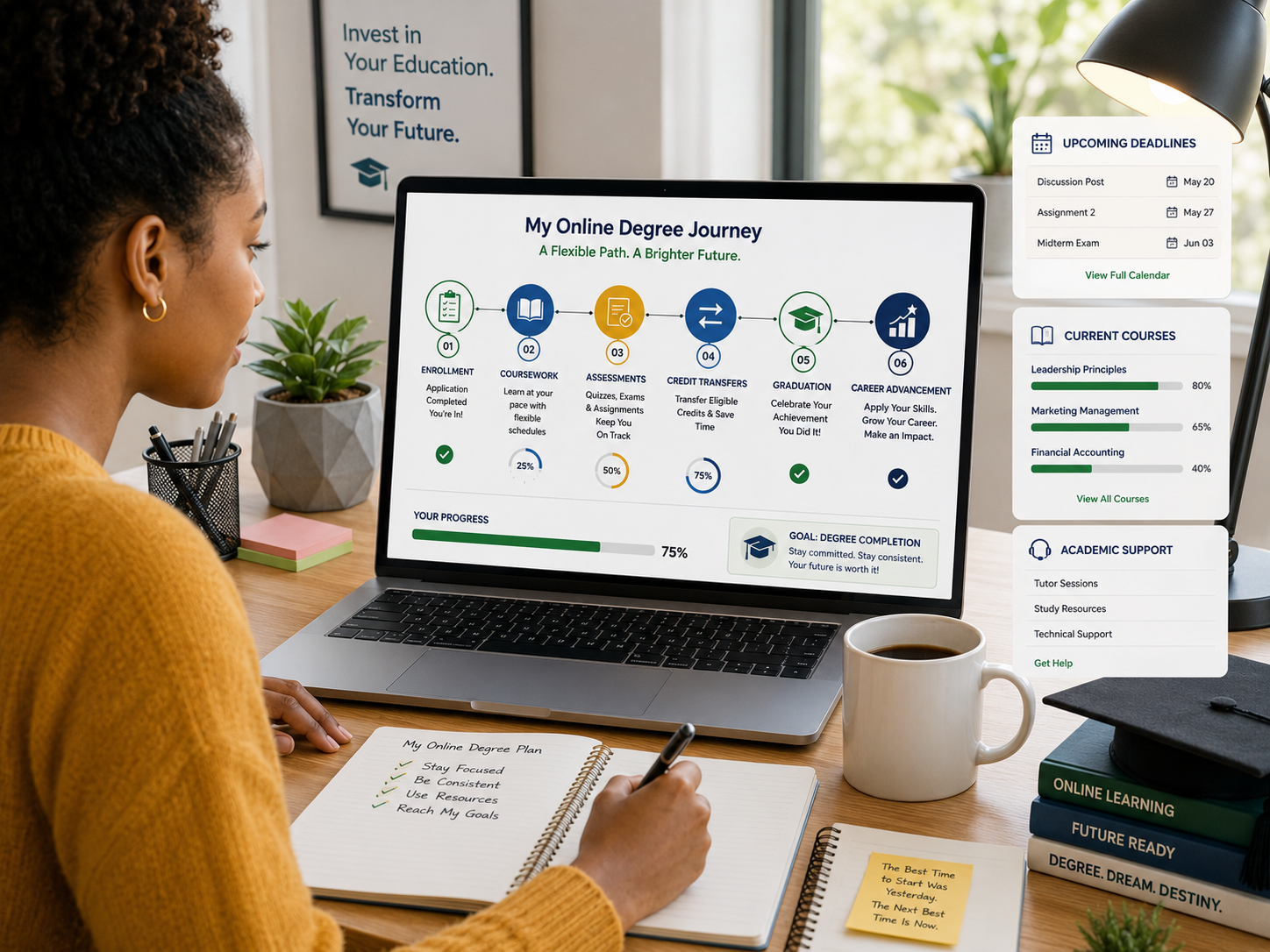
The growth of e-learning in emerging markets has been nothing short of transformative. Driven by expanded internet connectivity, affordable smartphones, and an increase in digital learning platforms, more students than ever can access higher education without stepping into a traditional classroom.
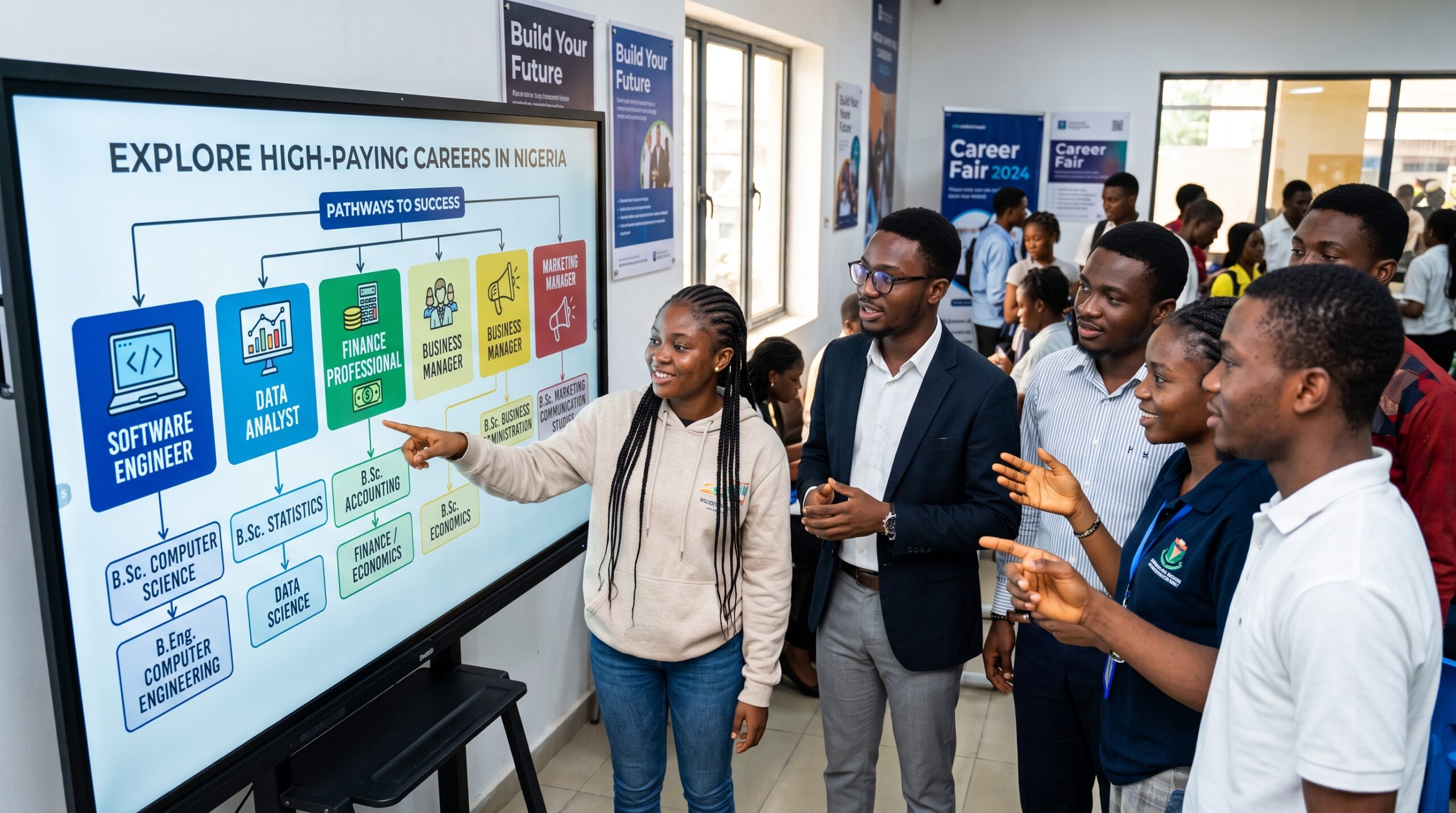
Countries such as Nigeria, India, and Kenya are leading this shift. In Nigeria, universities are offering robust online university graduate programs that enable students in underserved regions to pursue higher education remotely. Platforms like uLesson and Coursera have introduced interactive apps and courses tailored to local contexts, further driving adoption.
How E-Learning Is Expanding Higher Education Access
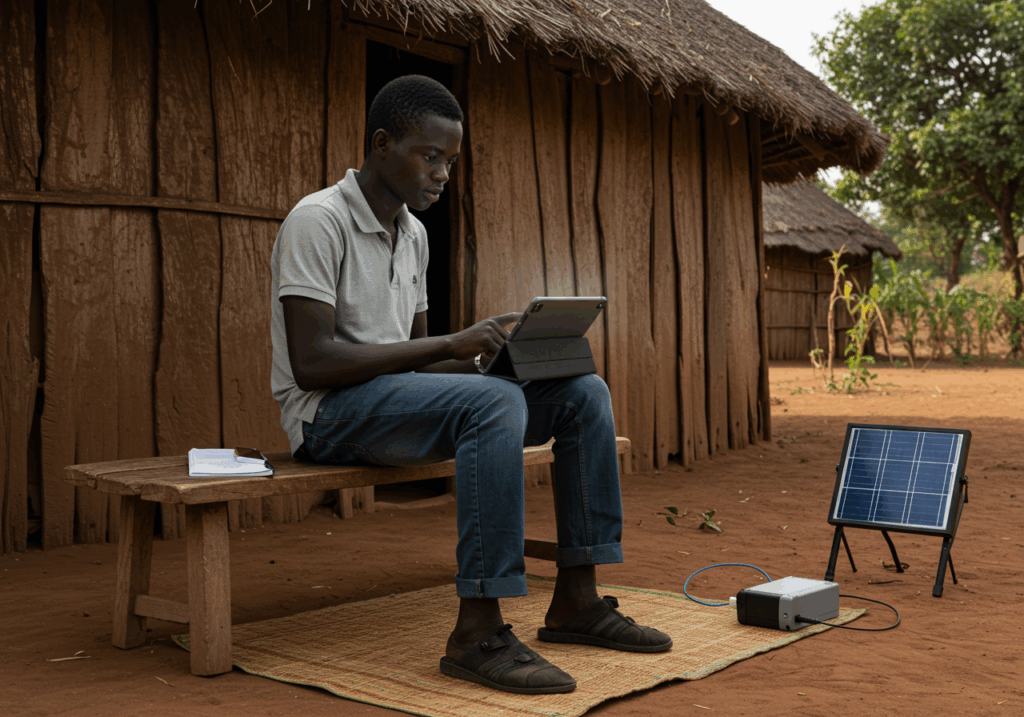
One of the most significant impacts of e-learning in emerging markets is how it’s closing the education gap between urban and rural communities.
In regions where physical universities are out of reach, especially in rural communities, online education in developing countries is providing new opportunities. Students who once faced long commutes or limited course options can now study through online degree programs from the comfort of their homes.
According to data from UNESCO on distance learning, over 70% of learners in sub-Saharan Africa used distance learning tools during the COVID-19 lockdowns a trend that continues to grow.
This shift is not just about convenience. For many, access to virtual classrooms means a second chance at education, especially for women, working adults, or displaced learners who value flexible education options that allows them to study at their pace while working or caring for their families.
Challenges of E-Learning in Emerging Markets

Despite its promise, e-learning in emerging markets, there are notable challenges of e-learning in emerging economies. Key challenges include:
- Poor internet connectivity or unreliable internet in rural areas
- High cost of data
- Limited access to digital devices
- Low digital literacy among learners and instructors continues to hinder progress.
- Another notable challenge of e-learning is Inconsistent power supply. In many emerging markets, especially in rural and semi-urban areas, frequent power outages or lack of stable electricity can significantly disrupt access to e-learning platforms. Even when students have devices and internet access, the inability to consistently power their devices can make it difficult to participate in virtual classes, download materials, or complete assessments on time. This infrastructural barrier often goes hand-in-hand with other issues and limits the scalability and reliability of e-learning programs in such regions.
These factors disproportionately affect learners in remote or low-income communities, risking further educational inequality if not addressed.
However, several local initiatives and international organizations are stepping up. Governments are investing in broadband infrastructure, while NGOs provide devices to underserved schools and run digital literacy workshops. For example, the African Union’s “1 million Next Level” initiative aims to equip young Africans with digital skills to participate in the global economy.
In Kenya, the Ministry of ICT launched programs to distribute low-cost tablets to rural schools. In Nigeria, NGOs like Paradigm Initiative train young people in digital skills to support mobile learning in Africa.
The World Bank’s Education Overview also highlights policy shifts encouraging remote education and the use of technology to complement traditional learning. These efforts are critical for making distance learning benefits accessible and sustainable across emerging markets.
Benefits of E-Learning for Students and Institutions
For learners, e-learning in emerging markets offers much-needed flexible education options. Students can now work part-time while completing coursework online, choose from a broader range of programs, and gain international exposure without traveling abroad.
Many students report that distance learning benefits their personal and professional development. For example, a data analyst in Nigeria shared how flexible study schedules allowed him to balance work and academics. Institutions also benefit by reducing infrastructure costs and expanding their reach. Testimonials from distance learning in Nigeria reveal how schools like ABU and Babcock University are changing lives through online education.From the institutional side, e-learning reduces facility costs and opens doors to nontraditional student markets, especially through online degree programs that are scalable and easier to update with current content.
The Future of Higher Education in Emerging Markets

Looking ahead, the future of e-learning in emerging markets will be shaped by technology, localization, and hybrid delivery models.
Hybrid learning models that combine online, and in-person instruction are gaining popularity, ensuring students get the best of both worlds. Artificial Intelligence (AI) tools are also being deployed to personalize learning paths, automate assessments, and enhance engagement.
Major digital learning platforms like Coursera and EdX are localizing content, collaborating with universities in developing countries to deliver regionally relevant programs. These efforts reflect a growing recognition that online education in developing countries must be context-sensitive, not one-size-fits-all.
The Coursera Impact Report notes that learners in emerging markets report higher satisfaction when content is contextually relevant.
As investment in mobile learning in Africa continues, we can expect virtual classrooms to become more accessible, interactive, and impactful. Digital learning is not just a stopgap; it’s the foundation for the next evolution in higher education access. The next generation of learners will grow up in a world where higher education is not a privilege for the few, but a right enabled by technology.
Final Thoughts
The ongoing evolution of e-learning in emerging markets is more than a technological trend, it’s a profound shift in how education is delivered, accessed, and experienced. While challenges remain, the momentum is undeniable. With the right investments, policies, and local innovations, e-learning has the potential to revolutionize higher education access, close the digital divide, and unlock economic opportunities for millions across the globe.
Whether through mobile learning in Africa, distance learning benefits, or globally connected online degree programs, the future of education is digital and it’s happening now.
With the right infrastructure and localized strategies, it can bridge gaps and empower millions of students across Africa, Asia, and Latin America.
In conclusion, e-learning in emerging markets is transforming the higher education landscape, offering new opportunities for students and institutions. While challenges persist, the benefits of e-learning are undeniable. As we look to the future, it’s clear that e-learning will play a critical role in shaping the education sector, providing students with the skills and knowledge they need to succeed in an increasingly digital world.
To explore more online degree programs or speak with our advisors, contact our team. Discover how EduTech is driving innovation in digital learning.