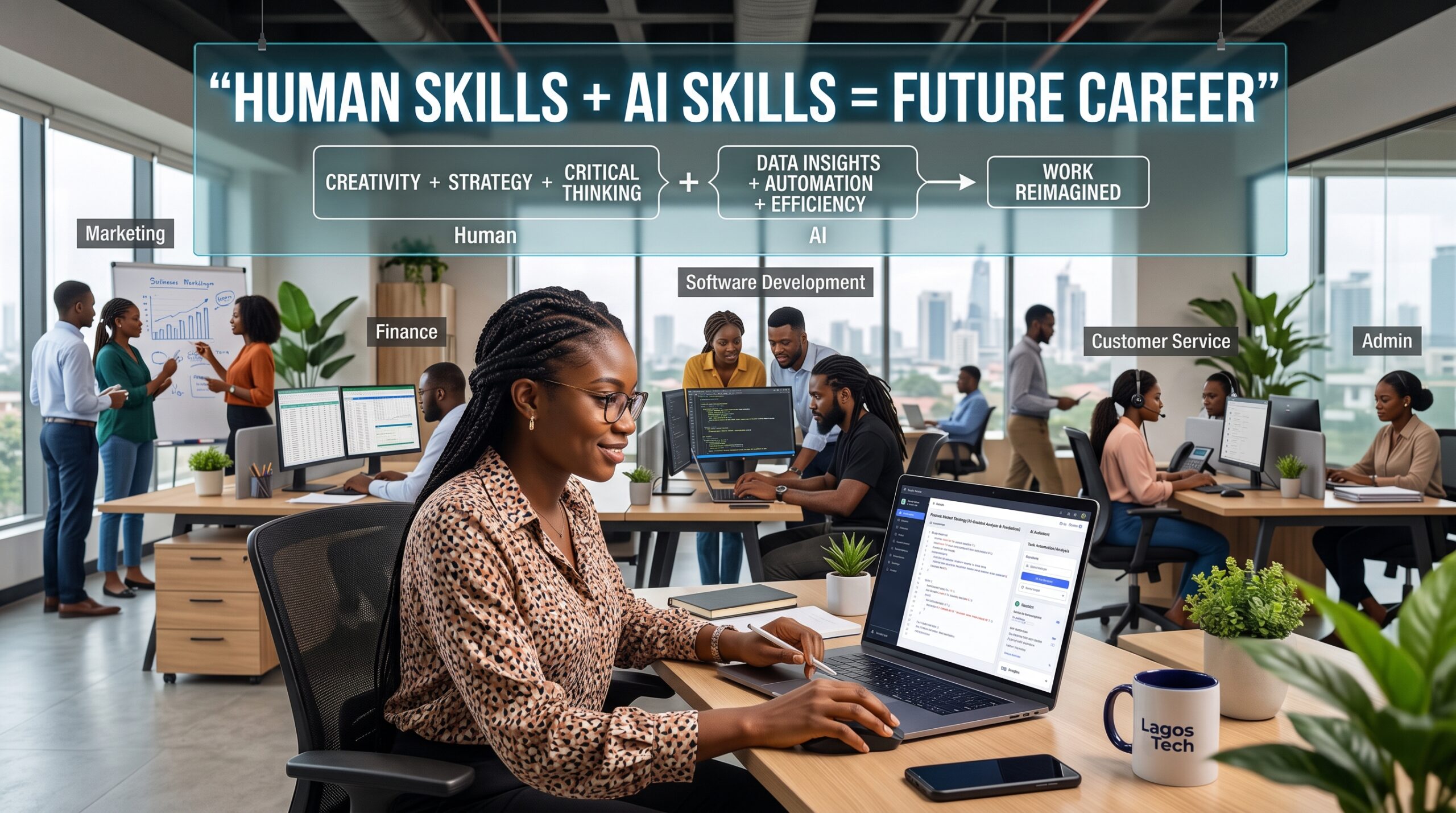
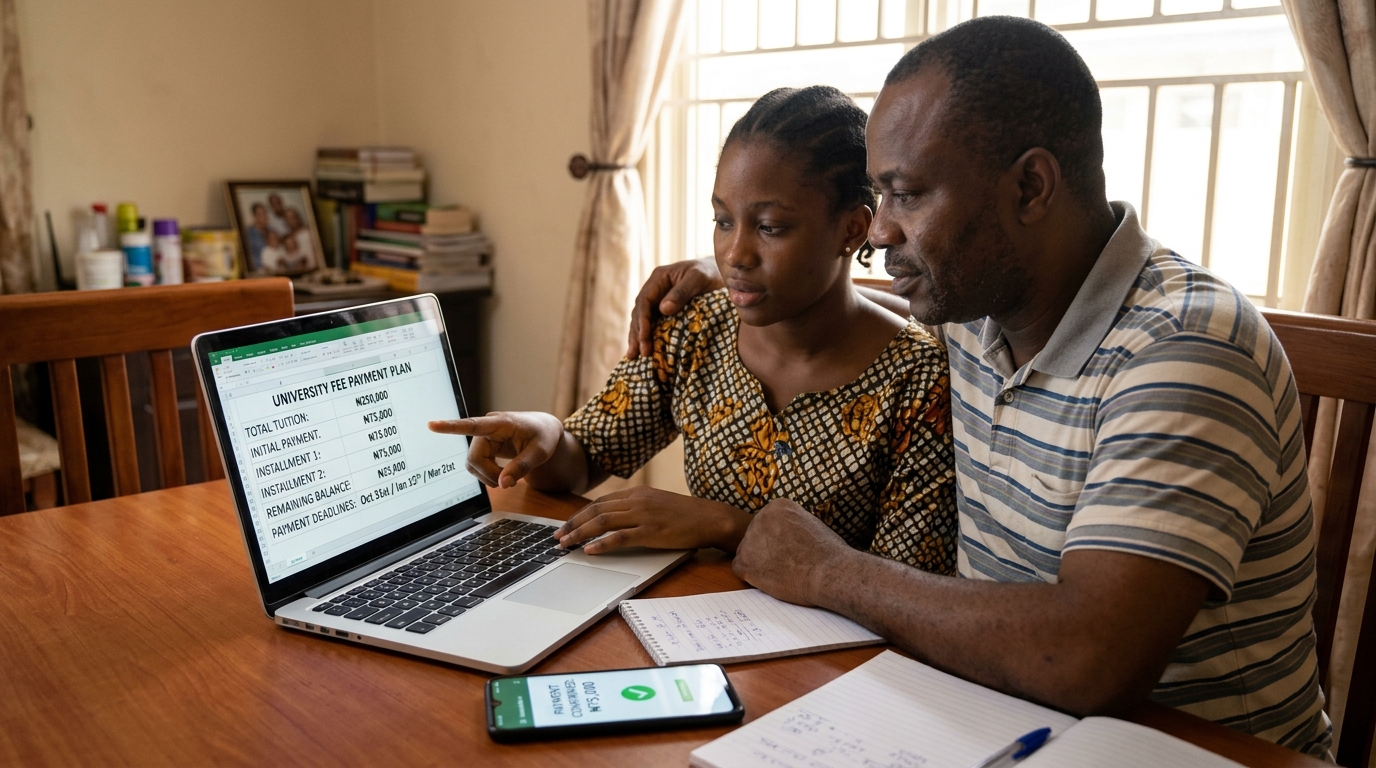
Do I really need to sit in a lecture hall to earn my degree?” That question was once rare. Today, online degrees in Nigeria are not merely an alternative—they’re mainstream. Advances in online education in Nigeria, National Universities Commission (NUC) guidelines on distance learning in Nigeria, and rising employer acceptance have created real choice. This article unpacks the pros and cons of online degrees versus campus study so you can make a confident decision.
Key Differences at a Glance
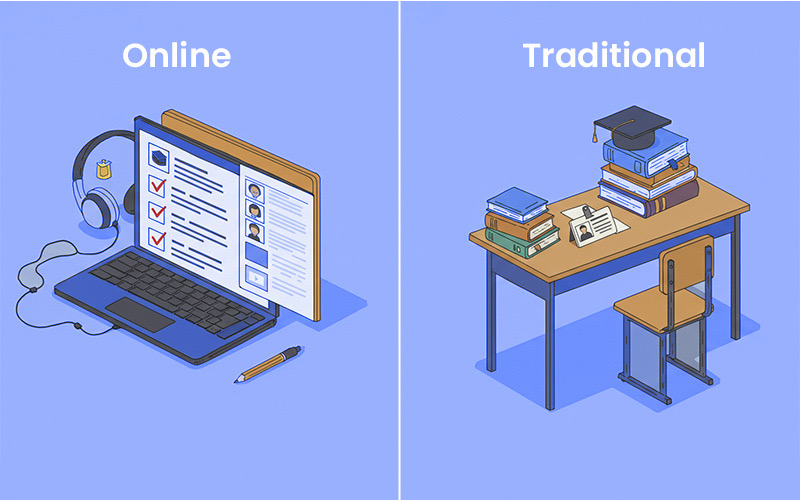
| Factor | Online Route | Traditional Campus |
| Flexibility | Learn anywhere, anytime—ideal for study from home in Nigeria scenarios and shift workers | Fixed timetables linked to lecture halls and laboratories |
| Cost | Generally lower tuition + no accommodation or transport | Tuition + accommodation, meals, commuting, textbooks |
| Accessibility | Available nationwide; perfect for students in remote areas | Limited to those living near or willing to relocate to a campus |
| Interaction Mode | Virtual discussions, forums, video calls | Face-to-face classes, clubs, on-campus networking |
| Pace | Often self-paced or accelerated flexible degree programs Nigeria | Follows the university’s academic calendar |
(For a deeper dive into infrastructure shifts, see )
Flexibility vs Fixed Schedules
- Online learning lets you log in after work, put lectures on 1.25× speed, and submit assignments when the kids are asleep.
- Campus programs follow strict hours—great if you thrive on structure but challenging for working adults.
Cost Savings vs Added Expenses
NUC-approved accredited online universities Nigeria (e.g., ABU Distance Learning Centre, Babcock BUCODeL, NOUN) charge competitive fees and remove relocation, hostel, and meal costs. Traditional degrees, while offering the “full campus experience,” add lodging, feeding, and transport—expenses many learners overlook.
Accessibility from Anywhere
An internet connection is often all you need. That’s a game-changer for students in Sokoto, Bayelsa, or rural Gombe who might otherwise travel hundreds of kilometres to the nearest campus. In contrast, online vs classroom learning still leaves many Nigerians excluded due to limited university catchment areas.
Who Should Choose Online Degrees?

- Working Professionals
- Stay employed while upskilling.
- Use flexible deadlines to balance client meetings with coursework.
- Parents & Caregivers
- Fit study times around childcare and family routines.
- No need to leave home for evening lectures.
- Students in Remote or Underserved Areas
- Bypass relocation costs.
- Gain access to specialised programs (e.g., Data Science) not offered at nearby polytechnics.
- Career Switchers
- Pivot quickly with shorter bridging modules and stackable micro-credentials.
Success story: Dorcas, a young lady, earned an online BSc. from EduTech-supported ABU DLC while working full-time. She secured a marketing communications role before graduating—proof that online degrees in Nigeria can accelerate careers.
Who Should Choose Traditional Campus Degrees?
- Students Seeking a Vibrant Social Life
On-campus clubs, sports, and networking produce friendships (and sometimes spouses) for life.
- Hands-On Disciplines
Engineering labs, medical dissections, and fine-arts studios require specialised equipment and supervision.
- Teenagers Straight from Secondary School
Full-time study provides structure, discipline, and an immersive learning environment.
- Those with Easy Access to Major Universities
Living near UNILAG, OAU, or UI means lower housing costs and easier commutes.
What Employers in Nigeria Really Think
Old prejudices have faded. HR surveys show over 70 % of mid- to large-size Nigerian firms now rank distance learning in Nigeria credentials from accredited schools as equal to their on-campus equivalents. Key considerations:

- Accreditation: Employers verify NUC approval and, if relevant, professional-body assent (e.g., ICAN for Accounting).
- Reputation: Names like ABU DLC, NOUN, and Babcock BUCODeL carry weight.
- Skill Demonstration: Employers still prioritise demonstrable skills—project portfolios, internships, and certifications.
Need to understand broader technological shifts? Read Top EdTech Trends to Watch in 2025: The Future of Education Technology for insight into the tools driving employer expectations.
Nigerian University Admission Options at a Glance
- Full-Time JAMB Route: Traditional UTME, Post-UTME, and campus-based application cycles.
- Distance-Learning Centres: Direct entry for diploma holders, mature-student paths, flexible admission dates.
- Top-Up & Conversion Programs: Great for HND holders converting to BSc via blended or online education in Nigeria models.
Final Tips: Decide Based on Lifestyle, Goals & Learning Style
- Audit Your Schedule – Track weekly obligations; if you have <15 free hours, online may suit you better.
- Define Career Goals – Some roles (e.g., clinical medicine) mandate campus lab hours; others (e.g., software engineering) prize portfolios over physical presence.
- Assess Learning Preference – Do you thrive in self-driven environments or need in-person accountability?
- Check Accreditation – Verify your program on the NUC list of approved providers to avoid “diploma mill” pitfalls.
Ready to Take the Next Step?
Whether you choose campus halls or a virtual classroom, EduTech Business is here to guide you. We partner with accredited online universities in Nigeria and leverage our expertise in flexible degree programs Nigeria to connect you with the right path.
(Unsure where to start? Book a free consultation, and our advisors will match your goals to the perfect online or traditional programme.)