Choosing a university is one of the most important decisions a student will ever make. It is not just about getting admitted or earning a certificate. It is about building a foundation for long term career growth credibility and professional acceptance. In Nigeria where unapproved institutions continue to surface many students unknowingly enroll in programs that later invalidate years of effort and financial investment. This reality makes learning how to verify university accreditation in Nigeria more important now than ever before.
Accreditation is the official confirmation that a university meets national academic standards and has been legally approved to operate and award degrees. When a university is accredited its programs curriculum faculty and facilities have been reviewed and accepted by regulatory authorities. Without this approval graduates may face serious consequences including rejection during job applications postgraduate admissions professional certification processes and even international opportunities. Many employers institutions and foreign embassies now actively verify certificates and once a university is flagged as unapproved the degree becomes invalid regardless of the time effort or money invested.
To verify university accreditation in Nigeria before applying protects you from scams wasted years emotional stress and long term regret. It ensures that your education is not only recognized but also respected locally and internationally. Accreditation gives your degree credibility opens doors to employment and allows you compete confidently in the global academic and professional space.
The Role of the National Universities Commission
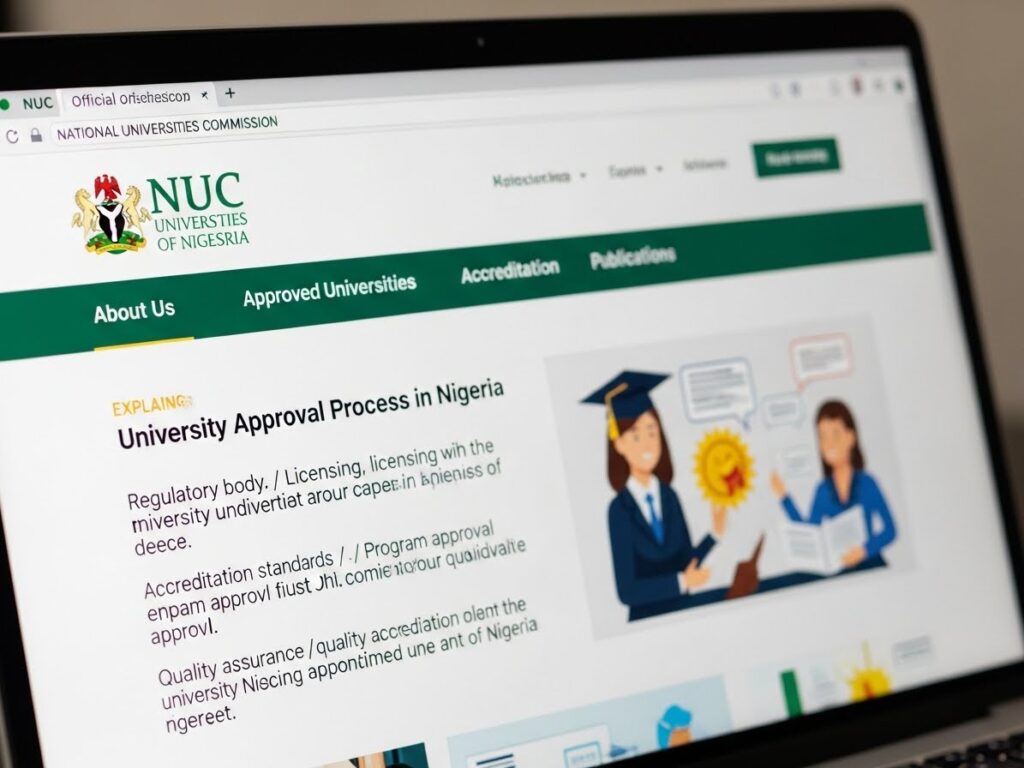
The National Universities Commission also known as NUC is the official regulatory body responsible for overseeing university education in Nigeria. It was established to ensure that universities maintain acceptable academic standards and operate within the law. The NUC supervises the establishment of approval monitoring and quality assurance of all universities in the country.
Only universities approved by the NUC are legally permitted to award degrees in Nigeria. This approval applies to federal universities state universities private universities and officially recognized distance learning institutions. The commission evaluates universities based on faculty strength academic resources infrastructure governance curriculum delivery and student support systems. Periodic reviews and accreditation exercises are conducted to ensure that institutions continue to meet required standards.
If a university claims recognition but does not appear on the official NUC list it is not accredited. This applies regardless of how attractive the programs fees facilities or marketing campaigns appear. Some institutions rely on aggressive advertising to mislead prospective students but the NUC approval status remains the only valid benchmark. Understanding the authority of the NUC helps students rely on verified facts rather than assumptions or promotional claims.
You can access official accreditation information directly here.
How to Verify a University Step by Step
Verifying accreditation may sound technical but it is actually a simple process when done correctly. Every prospective student should follow these steps before committing to any university or paying application fees.
Visit the Official NUC Website
The first step is to visit the official website of the National Universities Commission. This platform contains the most reliable and up to date list of approved universities in Nigeria. It is the primary source used by employers government agencies and international institutions for verification.
Avoid relying on social media posts agent assurances or third party websites. These sources may be outdated incomplete or intentionally misleading. The NUC website remains the final authority.
Search the Institution Name
Once on the website locate the section that lists approved universities. Carefully search for the exact name of the institution you intend to apply to. Ensure the spelling matches perfectly because some fake institutions deliberately use names that closely resemble legitimate universities to confuse applicants.
Confirm whether the institution appears under federal state private or distance learning categories. If the name does not appear under any category the institution is not accredited and should be avoided immediately.
Verify Program Approval
Even when a university is accredited not all programs may be approved. Some institutions run courses that have not received formal approval from the NUC. Always confirm that your chosen program is officially recognized under the institution accreditation status. This step is especially important for professional courses and postgraduate programs.
Red Flags That Signal Fake Accreditation

Even after following verification steps students should remain alert to warning signs that often indicate fake or unapproved institutions.
No Physical Campus
A legitimate university has a verifiable physical campus even if it operates distance learning programs. Institutions that cannot provide a clear campus location or show evidence of learning facilities often lack approval. Students should be able to confirm addresses photographs and official campus information.
Unverifiable or Poorly Structured Website
Fake universities often operate websites with vague academic details missing faculty profiles unclear admission requirements and generic contact information. A credible institution provides transparent information about its leadership academic departments accreditation status and admission processes.
Aggressive Admission Promises
Be cautious of institutions that promise instant admission guaranteed graduation or unusually short program durations. These claims often signal non compliance with academic standards and regulatory requirements. Legitimate universities follow structured admission cycles and academic timelines.
Examples of Accredited Distance Learning Universities
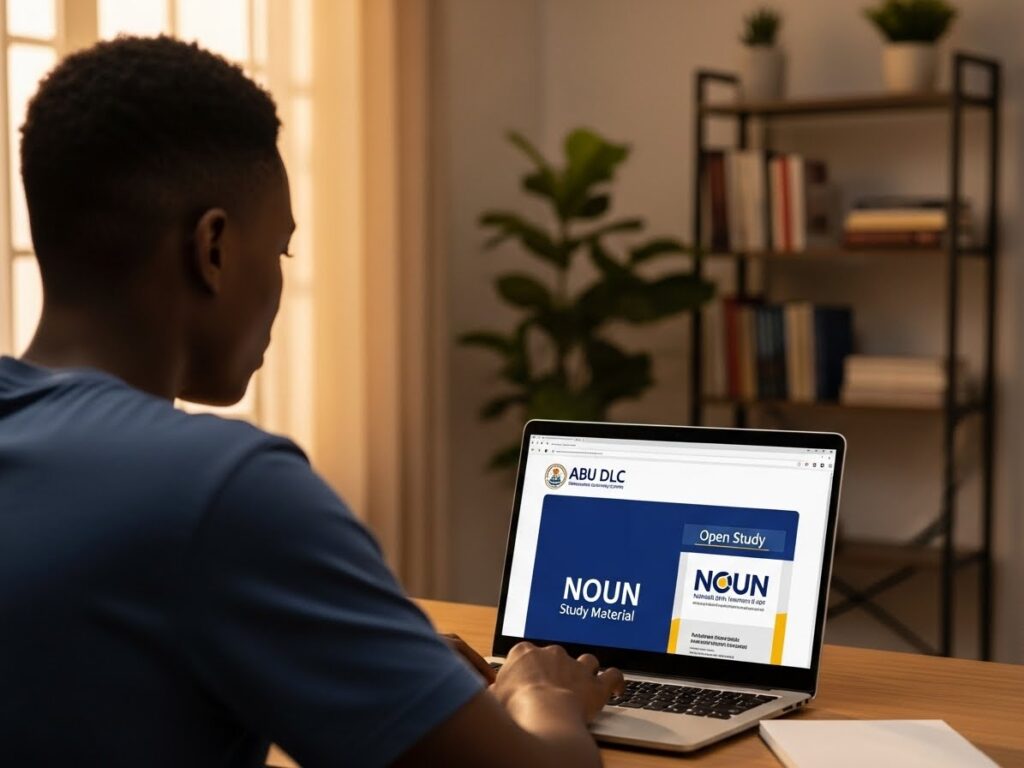
Distance learning has become a practical option for working professionals and adult learners who require flexibility. However, only a few institutions in Nigeria are officially accredited to offer distance learning programs.
Ahmadu Bello University Distance Learning Centre
Ahmadu Bello University Distance Learning Centre is fully accredited and approved by the NUC. It offers structured undergraduate and postgraduate programs designed to provide flexibility without compromising academic quality. Programs follow approved curricula and graduates earn degrees equivalent to on campus students.
You can verify ABU DLC details here
National Open University of Nigeria
The National Open University of Nigeria is the foremost distance learning institution in Nigeria. It operates under full NUC approval and provides accessible education through multiple study centers nationwide. NOUN is widely recognized for its open learning model and flexible academic structure.
How EduTech Business Helps With Verification
Despite the availability of information many students still feel uncertain when verifying accreditation. EduTech Business bridges this gap by providing guided support and verification assistance tailored to student needs.
EduTech Business helps students confirm accredited institutions evaluate program legitimacy and avoid fraudulent admissions. Through expert counseling students gain clarity on approved universities distance learning options and alternative academic pathways that align with their goals.
The platform also provides educational resources articles and advisory services that help students make informed decisions at every stage of their academic journey. This reduces the risk of costly mistakes and ensures students invest in education that delivers real value.
Explore verified education resources, read more insights here and Speak with an advisor
Final Thoughts
To verify university accreditation in Nigeria is not optional. It is a critical responsibility that protects your future career academic credibility and professional mobility. Before applying always confirm NUC approval identify red flags and seek expert guidance when unsure.
With accurate information careful verification and trusted support students can confidently choose institutions that offer recognized quality education and long term value both in Nigeria and beyond.
Written by Adebambo Fisher
Marketing & Communications Executive