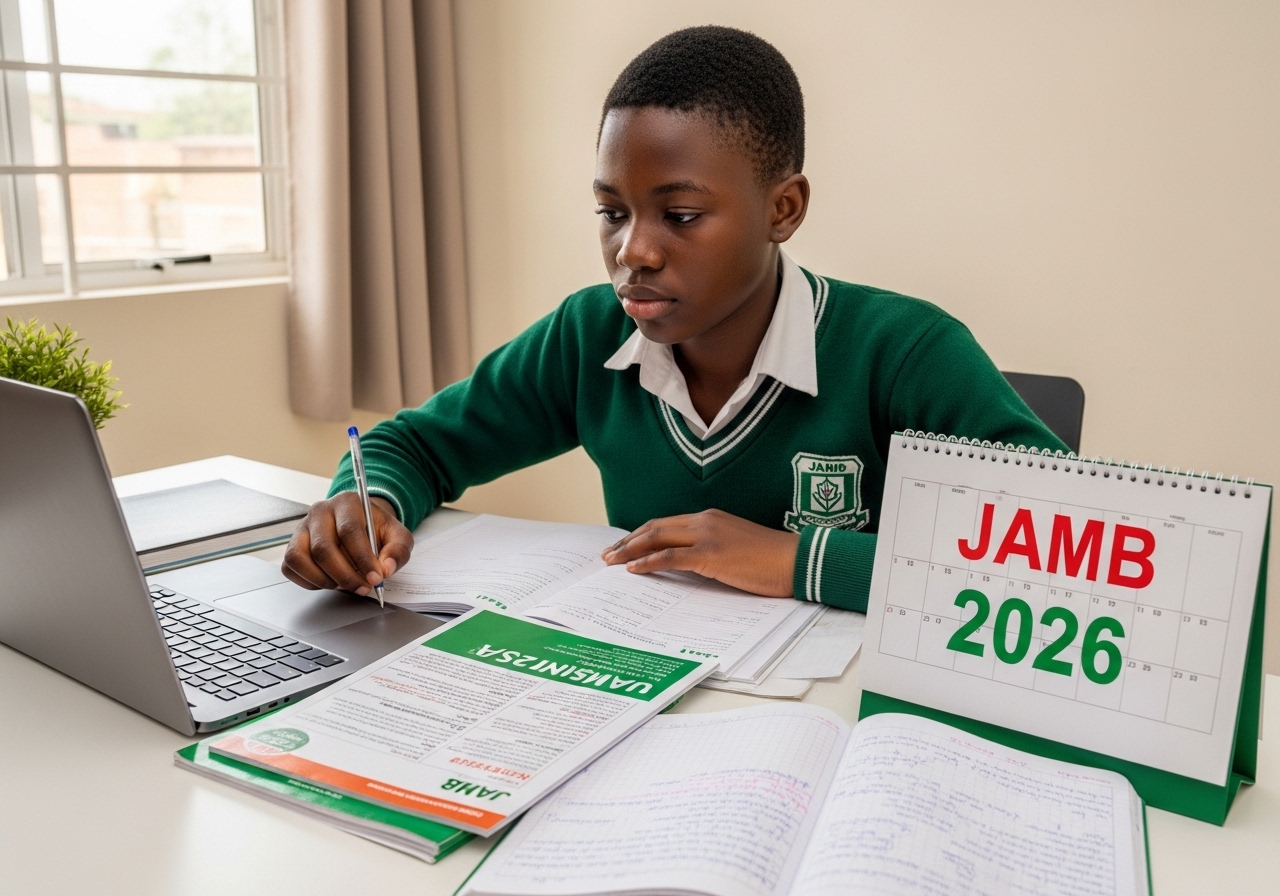
Introduction: Why Many Nigerians Now Choose Budget Study Abroad
For many Nigerians, studying abroad was once considered a luxury reserved for the wealthy. High tuition fees, foreign exchange challenges, visa costs, and rising living expenses made international education seem out of reach. However, this perception is rapidly changing as more people learn how to study abroad on a budget for Nigerian students through strategic planning and informed country selection.
Economic realities such as rising unemployment, limited postgraduate opportunities, and the need for globally competitive qualifications have pushed Nigerian students to seek alternatives beyond local institutions. At the same time, access to information has improved. Students now understand that not all foreign universities charge outrageous fees and that several countries actively welcome international students with affordable tuition structures, flexible visa policies, and part-time work opportunities.
Today, studying abroad on a budget for Nigerian students is no longer about luxury destinations. It is about value, long-term return on investment, and choosing countries where quality education aligns with realistic financial expectations.
Countries With Low Tuition and Visa Cost

Some countries consistently stand out for Nigerian students due to their affordability, transparent visa processes, and supportive student policies.
Canada
Canada remains one of the most attractive destinations for Nigerian students seeking affordable quality education. While tuition fees vary by institution and program, public colleges and universities offer relatively moderate tuition compared to the United States and the United Kingdom.
One major advantage of Canada is its flexible work policy. International students are allowed to work part-time during academic sessions and full-time during scheduled breaks. This significantly helps students offset living costs. In addition, Canada offers strong post-graduation work opportunities, making it appealing for students planning long-term career growth.
Official information on studying in Canada can be found here
Germany
Germany is widely regarded as one of the most budget-friendly study destinations in the world. Public universities in Germany charge little to no tuition fees for both domestic and international students. Instead, students pay a small semester contribution that covers administrative costs and sometimes public transportation.
For Nigerian students who can meet language requirements or secure English-taught programs, Germany offers excellent academic quality with minimal tuition burden. While living costs exist, student jobs and government-supported scholarships help reduce financial pressure.
Scholarship and funding information are available here.
Poland
Poland has become an increasingly popular destination for Nigerian students looking for affordable European education. Universities in Poland offer many English-taught programs at tuition rates far lower than those in Western Europe.
Living expenses in Poland are also relatively low. Accommodation, transportation, and food are affordable, especially when compared to countries like France or the Netherlands. Students are allowed to work part-time, making Poland a practical option for those who want European exposure without extreme financial strain.
Cost Breakdown Students Must Expect

Understanding realistic costs is critical when planning to study abroad on a budget for Nigerian students. Budget-friendly does not mean free; it means predictable and manageable.
Tuition Fees
Tuition depends on the country, institution type, and course of study. Germany offers the lowest tuition through public universities. Poland and Canada offer moderate tuition that varies by program. Students should always verify tuition directly from official university websites to avoid misinformation.
Accommodation Costs
Accommodation is often the largest expense after tuition. University-managed dormitories are usually the cheapest option. Shared apartments also reduce costs significantly compared to private housing. Students who secure accommodation early typically save more money.
Living Expenses
Living costs include food, transportation, utilities, health insurance, and personal expenses. Among the countries discussed, Poland generally has the lowest living cost, followed by Germany and then Canada. Budgeting realistically and choosing student-friendly cities can make a major difference.
Scholarship and Part-Time Work Options

Scholarships and employment opportunities are essential survival strategies for Nigerian students studying abroad on a budget.
Many governments, universities, and international organizations offer scholarships based on academic merit, financial need, or field of study. Applying early and meeting eligibility criteria increases the chances of success.
Most budget-friendly countries allow international students to work a limited number of hours weekly. Income from part-time work often helps cover rent, food, and transportation. Students who combine scholarships with part-time work significantly reduce their dependence on external funding.
Smart financial habits such as cooking meals, using student discounts, living with roommates, and tracking expenses are critical for long-term sustainability.
When Online Study Is Better Than Traveling
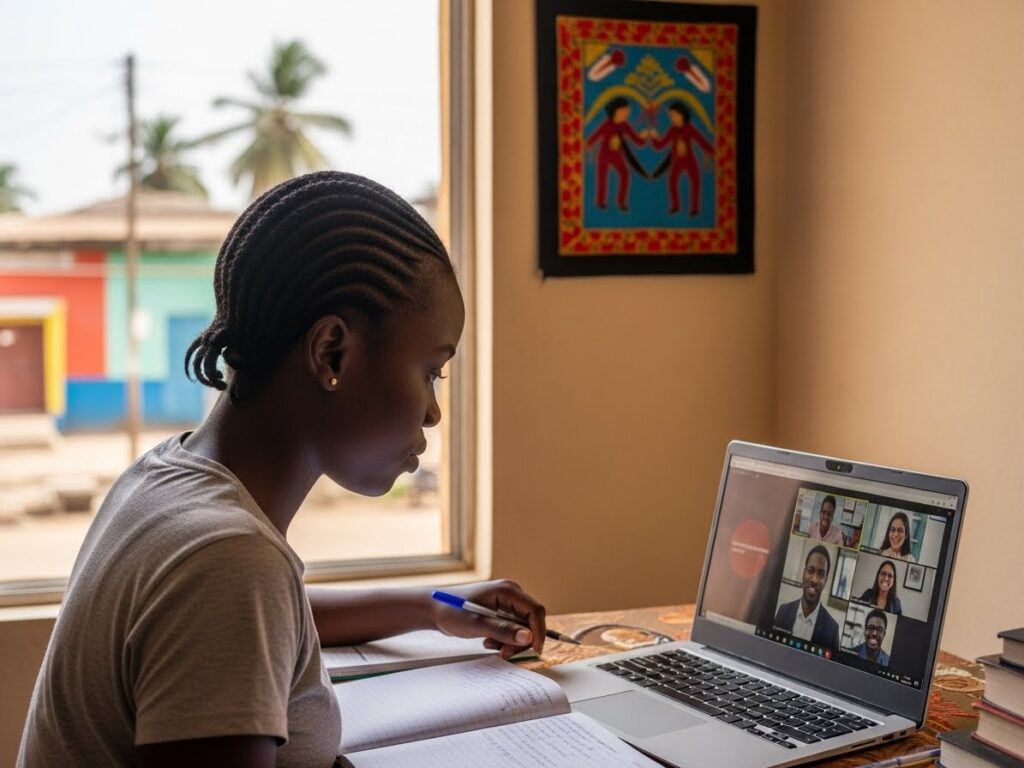
In some situations, traveling abroad may not be the most financially sensible option. Distance and online learning programs now offer accredited international degrees without the cost of relocation.
Online study eliminates expenses such as accommodation, visa processing, airfare, and daily foreign living costs. This option is particularly suitable for working professionals, students with family responsibilities, or individuals managing tight budgets.
Distance learning also allows students to earn income while studying, reducing financial strain even further. For many Nigerians, online education serves as a strategic first step toward international exposure.
Learn more about flexible learning options here.
How EduTech Business Guides Study Abroad Aspirants
Navigating study abroad opportunities can be overwhelming, especially when finances are limited. EduTech Business plays a critical role in guiding Nigerian students toward realistic and sustainable study pathways.
The platform provides structured counseling and screening to help students choose budget-friendly countries, verify institutions, and understand the true cost of studying abroad. EduTech Business also helps students assess whether physical travel or online study is the smarter option based on their financial situation and career goals.
By offering transparent guidance and alternative education pathways, EduTech Business helps students avoid costly mistakes and make informed decisions.
Explore available education resources, read more insights here, and speak with an advisor
Final Thoughts
Studying abroad does not have to result in financial hardship. With careful planning, the right country selection, scholarship awareness, and expert guidance, Nigerian students can access quality international education without overwhelming pressure.
Whether through physical relocation or accredited online programs, studying abroad on a budget for Nigerian students is achievable. The key lies in information, strategy, and choosing pathways that align with both educational goals and financial reality.
Written by Adebambo Fisher
Marketing & Communications Executive