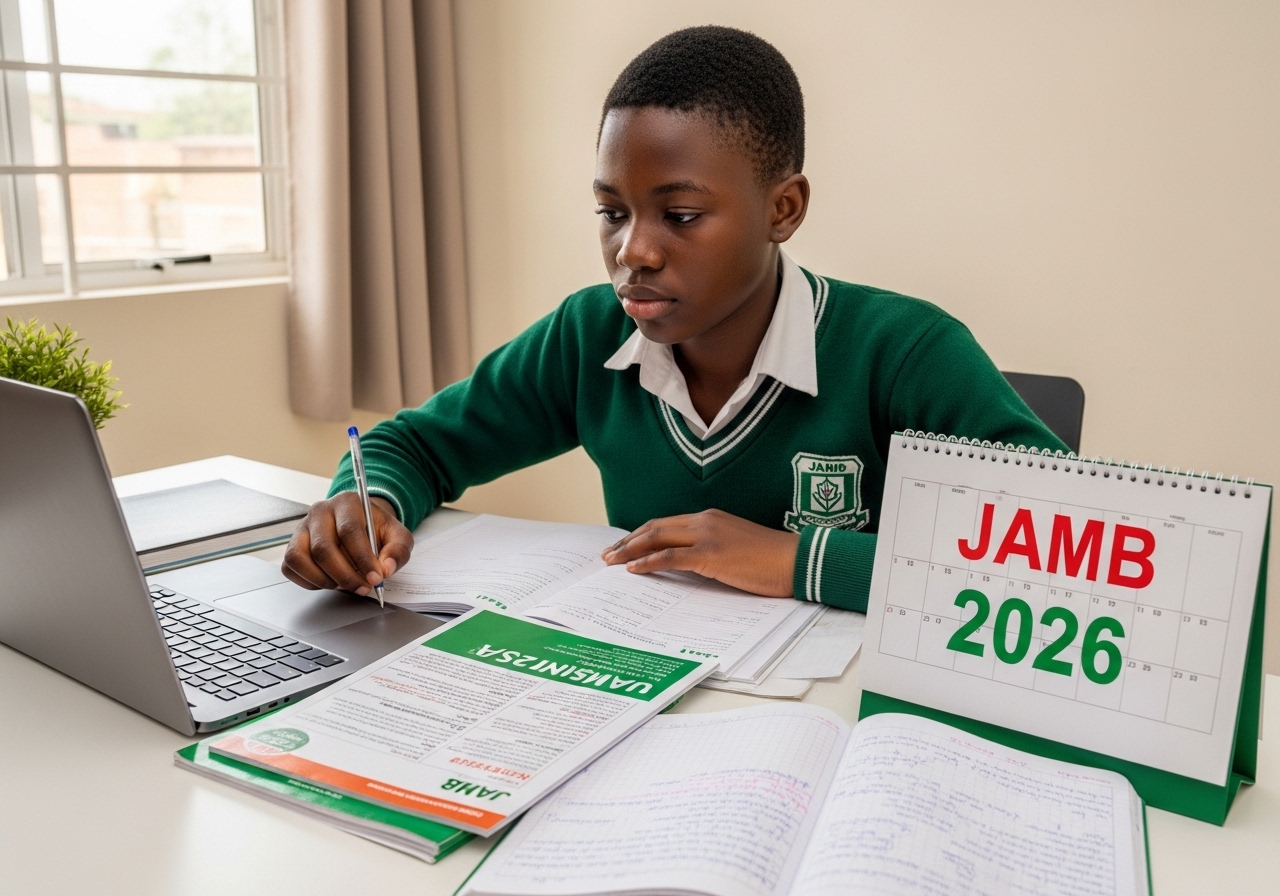
Choosing between private vs public universities in Nigeria is one of the biggest academic decisions a student or parent will ever make. Beyond the name of the school, the type of university you attend influences your learning experience, your graduation timeline, your career readiness, and even your exposure to modern technology. The gap between private and public institutions has widened over the years, especially as students now seek flexible, reliable, and affordable study paths in a competitive job market. Whether you are a secondary school leaver, a working professional, or someone switching programs, understanding the strengths and weaknesses of each university type helps you make a confident and future-focused choice.
1. Introduction: Why This Choice Shapes Your Career
The debate around private vs public universities in Nigeria continues because students want options that support their long-term goals. Your university determines the quality of your lecturers, the structure of academic calendars, the level of stability on campus, and your access to internships and opportunities. A school with frequent strikes or overcrowded classes can affect your academic performance and delay your graduation timeline. On the other hand, a university with strong student support services and well-funded facilities can boost your confidence and professional growth. This is why the decision goes beyond preference; it shapes your career direction, your skill development, and your academic continuity.
2. Cost Difference Between Private and Public Universities
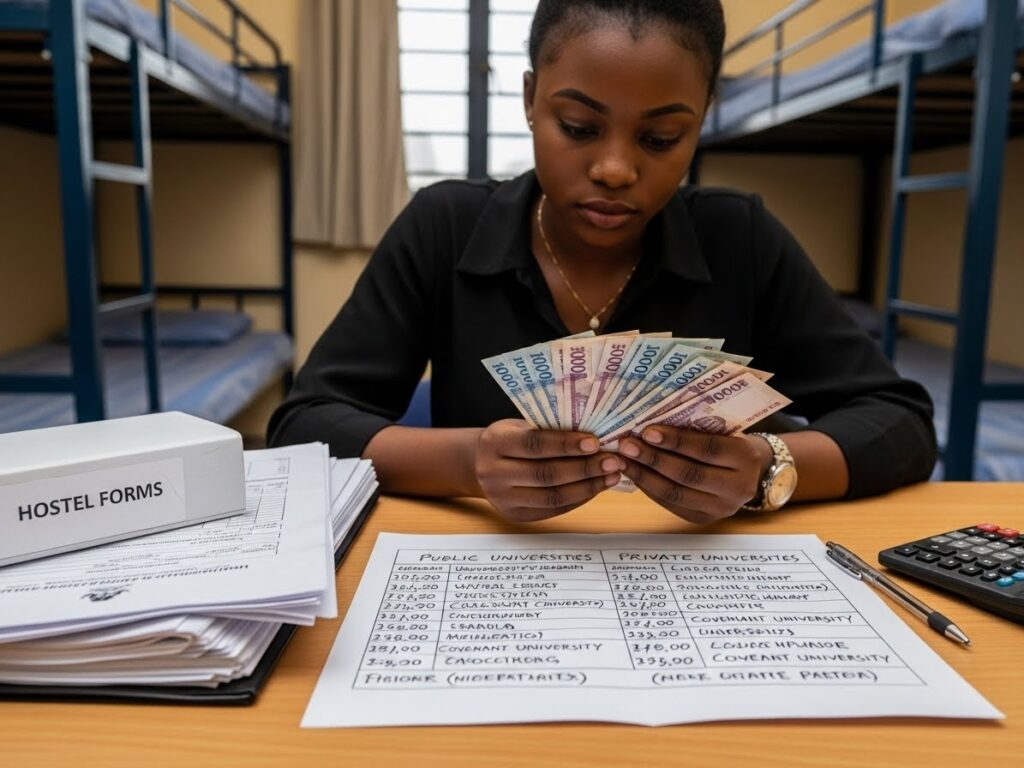
One of the most discussed differences between private and public universities is cost. Public university tuition is regulated by the government, meaning the fees remain relatively affordable for most Nigerian families. Even with recent adjustments, public universities still offer some of the lowest tuition fees in the country. However, students may still encounter additional costs such as departmental dues, accommodation (if available), and faculty-related charges.
Private universities generally operate without government funding. This means their tuition reflects the actual cost of running the institution, including facility upgrades, staff welfare, security, power, technology, and campus maintenance. As a result, private university tuition can be significantly higher. Fees often include accommodation, medical insurance, laboratory use, technology fees for online portals, and other administrative charges.
Hostel accommodation is another major difference. Public universities often provide government-controlled hostels that may be cheaper but limited in availability. Many students must stay off-campus, which adds additional rent and transportation costs. Private universities usually offer on-campus accommodation with security and modern amenities, though the cost is higher.
Payment flexibility also differs. Some private universities allow installmental payments or structured plans per session, while most public universities require full payment before registration. Students must evaluate not only the tuition but also the long-term financial commitment before choosing either option.
3. Admission Process Differences
The admission journey is one of the biggest points of contrast. In public universities, admission is largely dependent on JAMB scores and departmental cutoff marks. Each program has a competitive score range, and students often wait long periods before results and admissions are released. This uncertainty can delay academic plans and create stress for applicants.
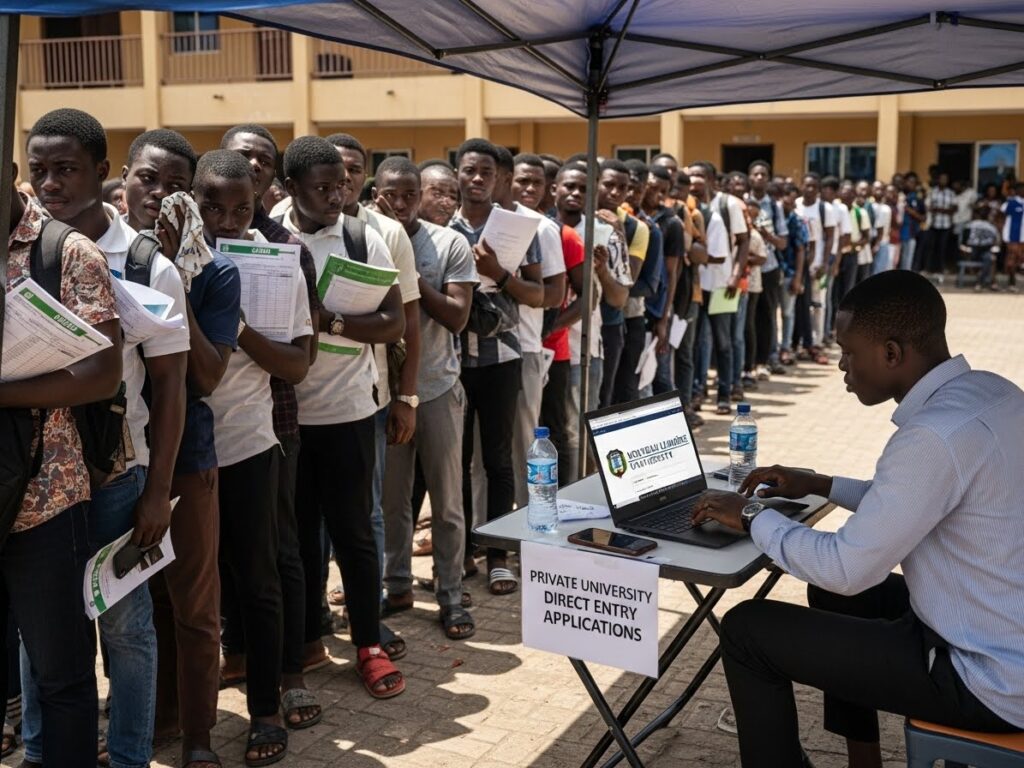
Private universities, on the other hand, provide more flexibility. They accept JAMB scores but allow multiple pathways such as direct entry, transfer admissions, foundation programs, and school-based screenings. Their admission cycles also run more frequently; some private universities have two or three intakes per year. This makes it easier for students who want to avoid long waiting periods.
Screenings in private universities often replace mass entrance examinations. Instead of competing with tens of thousands of candidates, applicants are assessed individually based on academic history, chosen program, and basic entry requirements. This structured and student-friendly approach makes private universities appealing to families who want faster academic stability.
4. Learning Environment and Facilities
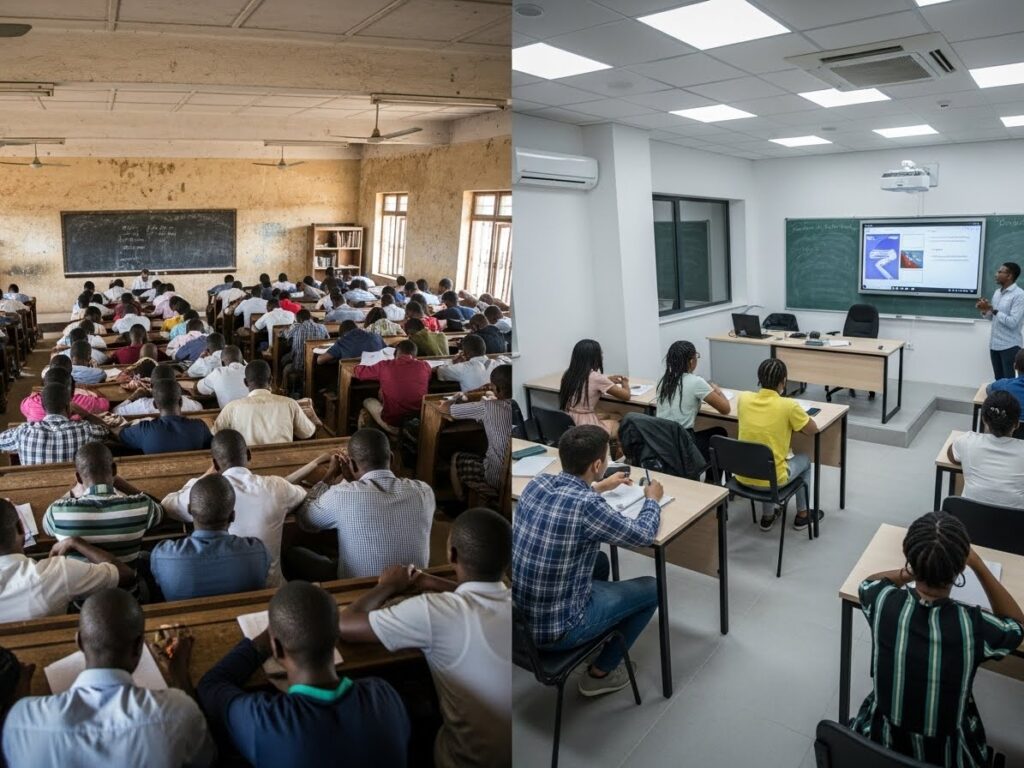
Learning environment is a major factor when comparing private vs public universities in Nigeria. Public universities typically have much larger student populations. Some departments have lecture halls with hundreds of students per class, making it harder to access lecturers, ask questions, or build individual relationships.
Private universities invest heavily in maintaining manageable classroom sizes. Smaller classes mean students receive more attention, can participate in discussions, and get personalised support from lecturers. This improves overall academic performance and increases mentorship opportunities.
Funding plays a big role in facilities. Public universities rely on federal allocations, which means upgrades happen slowly and sometimes irregularly. Libraries, labs, or hostels may become outdated over time due to budget constraints. However, many public universities have strong academic reputations and experienced lecturers, especially in professional fields like law, medicine, and engineering.
Private universities often have modern learning environments because they invest continuously in infrastructure. Digital learning tools, e-libraries, smart classrooms, research labs, and well-maintained facilities are more common. The staff-to-student ratio is usually better, which positively impacts mentorship, assessments, and academic monitoring. Students seeking a well-structured, peaceful environment often lean toward private institutions.
5. Distance Learning Options in Both Systems

Distance learning is now a major part of higher education in Nigeria. Both private and public universities offer online or blended study models, but public universities lead in national coverage.
The public sector hosts some of Nigeria’s largest distance learning institutions. The National Open University of Nigeria operates study centers across the country, making education accessible for working professionals and learners in remote regions. Ahmadu Bello University Distance Learning Centre provides structured pathways for undergraduate and postgraduate programs under a reliable public university system.
Private universities also offer online and blended programs, but they are smaller in scale. Their courses often integrate virtual classes with scheduled on-campus exams. Across both sectors, the legitimacy of the certificate depends on accreditation. As long as the program is approved by the National Universities Commission, it holds the same value regardless of whether the school is private or public.
Distance learning is especially useful for those who want to study while working, parents with busy schedules, or students who prefer flexible learning environments.
6. Which One Fits Your Career Goal
When deciding between private vs public universities in Nigeria, the best choice depends on your personal needs, budget, and long-term career goals.
Public universities are ideal for students who want quality education at an affordable cost and are willing to navigate larger class sizes or occasional academic disruptions. They are especially strong for professional programs with long-established reputations.
Private universities are best for students who want stable academic calendars, smaller classes, structured environments, and faster graduation timelines. They also provide strong campus discipline and controlled learning environments.
Distance learning is perfect for working professionals who want accredited degrees without pausing their careers. Campus learning suits those seeking full academic immersion and peer learning.
Ultimately, your career goals should guide your decision. A student aiming for tech, entrepreneurship, or modern digital skills may thrive in well-equipped private universities. Someone focused on traditional professional careers like law or medicine may prefer public institutions with strong academic legacies. Your learning style, budget, and long-term vision will determine the most suitable option.
Conclusion
Choosing between private and public universities in Nigeria does not have a one-size-fits-all answer. What matters most is selecting a university that aligns with your career goals, offers stable academic support, and provides accredited qualifications. Whether you prefer flexibility, affordability, structure, or digital learning, the Nigerian higher education system now offers multiple pathways to success.
To explore career-focused online programs, admissions guidance, and verified school recommendations, visit the EduTech Business website.
You can also browse more detailed resources on our blog or speak directly with our support team.
This clears the path for students to make informed decisions and build the academic journey that works best for their goals.
Written by Adebambo Fisher
Intern, Branding, Marketing & Communications