Introduction: Mental Health Support for Online Learners: Why It’s Crucial
The rise of online learning has created new opportunities for students across the globe. Flexible schedules, affordable access, and the ability to learn from anywhere make e-learning an attractive option. But behind the convenience lies a challenge many overlook: the mental toll.
Isolation, long screen hours, and the pressure to self-manage studies often affect learners’ motivation and wellbeing. Without proper mental health support for online learners, these struggles can lead to burnout, disengagement, and even dropping out.
Unlike traditional classrooms, where peers and instructors provide face-to-face support, remote education can feel isolating and lonely. It’s why conversations about student well-being are more critical than ever. The good news? With the right tools, strategies, and awareness, online learners can thrive both academically and emotionally.
In this blog, we’ll explore the common challenges, practical strategies, supportive tools, and institutional responsibilities that can make mental health support for online learners a priority in 2025 and beyond.
Common Mental Health Challenges Faced by Online Learners

Remote education has many benefits, but it also comes with unique pressures that affect student wellbeing and remote education mental health.
1. Loneliness and Lack of Interaction
Many online learners miss out on the social aspect of studying. Without classroom discussions or casual interactions, students can feel isolated. This sense of disconnection can lead to anxiety, low motivation, or even depression.
Scenario: Imagine Sarah, a working mom pursuing her degree online. While she appreciates the flexibility, she often feels alone when stuck on tough assignments because she doesn’t have classmates nearby to discuss them with.
2. Increased Screen Time and Fatigue
E-learning requires long hours in front of a screen. Too much screen time causes eye strain, poor sleep, and fatigue, factors that also impact mood and focus. The link between physical strain and online learning stress management is undeniable.
3. Pressure to Self-Manage Studies
Traditional classrooms provide structures with fixed schedules. Online learners must create their own routines, track assignments, and stay motivated often while juggling work and family. The responsibility can quickly become overwhelming, heightening stress.
These challenges make clear why mental health support for online learners isn’t optional, it’s essential.
Practical Strategies to Support Mental Health in Online Learning
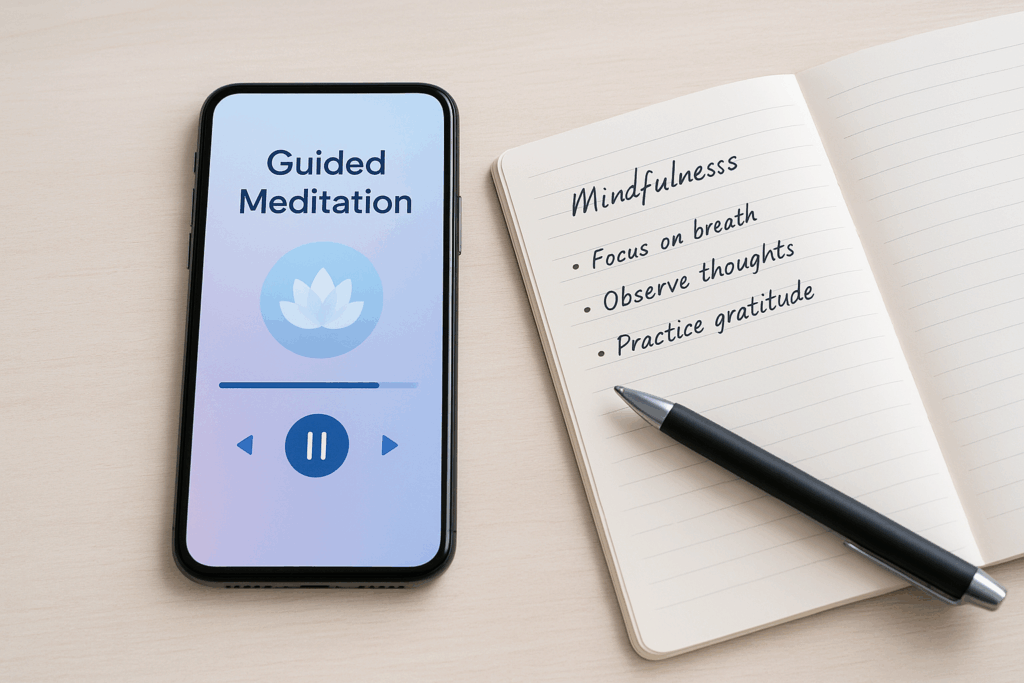
Thankfully, there are proven e-learning wellness strategies that can make online study healthier and more sustainable.
Set Realistic Goals and Schedules
Instead of tackling everything at once, break studies into smaller, manageable goals. A structured daily plan reduces overwhelm and helps students celebrate small wins.
Encourage Virtual Study Groups and Peer Support
Learning in a community boosts motivation. Creating WhatsApp groups, Discord study spaces, or Zoom meetups allows students to share resources and reduce feelings of loneliness.
Scenario: James, an MBA student, started a weekly online check-in with three classmates. These virtual sessions turned into a support system where they not only studied together but also shared stress-management tips.
Access Counseling and Professional Mental Health Resources
Many schools now partner with professional organizations to provide online counseling, virtual therapy sessions, or wellness hotlines. Making use of these services can drastically improve student wellbeing.
These strategies go a long way in building confidence and reducing online learning stress management issues.
Tools and Platforms That Help Improve Student Wellbeing
Technology is also part of the solution. Here are digital tools supporting mental health support for online learners:
- Mental Health Apps: Apps like Headspace, Calm, or Happify teach mindfulness, relaxation, and coping skills.
- Online Counseling Services: Platforms such as BetterHelp or school-affiliated counseling services connect students with licensed therapists.
- Wellness Features in LMS Platforms: Some EdTech tools now include wellness reminders, self-assessment quizzes, or break notifications, helping reduce remote education mental health strain.
- Peer Engagement Tools: Forums, group chats, or gamification features within learning management systems promote community and boost morale.
With these tools, institutions prove that technology can serve both education and wellness, making e-learning wellness strategies more practical.
How Universities and EdTech Platforms Can Build a Supportive Environment

The responsibility for supporting learners’ mental health doesn’t fall on students alone. Institutions and EdTech providers must take active roles in strengthening mental health support for online learners.
Train Faculty to Identify Warning Signs
Teachers and facilitators should learn how to recognize early indicators of stress, disengagement, or declining performance. A proactive check-in from a lecturer can make a huge difference.
Promote Work-Life Balance and Flexible Learning
Flexibility is one of online learning’s biggest advantages. Allowing learners to choose between live or recorded sessions, extend deadlines, or work at their own pace creates space for mental balance.
Partner with Mental Health Organizations
Universities and EdTech companies can partner with organizations like:
These partnerships provide structured resources and ensure remote education mental health concerns are addressed professionally.
By embedding e-learning wellness strategies into their systems, institutions create an environment where learners don’t just study, they thrive.
Conclusion: Prioritizing Mental Health for Online Learning Success
Education is not just about finishing assignments or passing exams; it’s about growth. And growth is only possible when mental health is prioritized.
In the fast-paced world of e-learning, students face unique challenges: loneliness, stress, and pressure to self-manage. But with consistent mental health support for online learners, these challenges can be overcome. From realistic schedules and peer groups to counseling services and wellness tech, the path to healthy learning is achievable.
For institutions, investing in students wellbeing isn’t just about kindness, it’s about performance, retention, and long-term success. Students who feel supported mentally are more likely to stay engaged, complete their studies, and apply their knowledge in real life.
Want to take the next step in building resilience and focus? Check out our guide on How to Beat Procrastination and Complete Your Online Course. You can also explore pathways in Top Online Degree Programs in Nigeria Without JAMB.
Visit EduTech Business to learn more or Contact Us for personalized guidance.
Written by Adebambo Fisher
Intern, Branding, Marketing & Communications