Introduction – The Rise of Green EdTech
Education and sustainability are no longer separate conversations. As the world faces growing climate challenges, the education sector is rethinking how it operates from classroom resources to campus management, through the lens of environmental responsibility. This is where sustainable education technology comes in.
Green EdTech represents the fusion of digital innovation with eco-conscious design. It’s about using eco-friendly learning tools, reducing waste, and optimizing resources so that learning not only becomes smarter but also more sustainable. According to UNESCO’s Education for Sustainable Development initiative, nations are being urged to achieve carbon-neutral education systems by 2030, making sustainability an integral part of digital transformation strategies.
At EduTech Business, sustainability is more than a buzzword, it’s a mission. The company’s approach to sustainable education technology combines digital access with environmental responsibility, helping schools and institutions lower their carbon footprint while expanding learning opportunities.
How Technology Reduces Environmental Impact

The education sector has long relied on physical infrastructure, printed materials, and in-person operations, all of which contribute to significant environmental costs. With sustainable education technology, however, the tide is changing.
1. Paperless Classrooms
Gone are the days when learning required endless reams of paper. Through Learning Management Systems (LMS), digital libraries, and cloud-based collaboration tools, institutions can now operate with minimal paper usage. Switching to eco-friendly learning platforms reduces waste, saves trees, and lowers printing costs, all while streamlining academic workflows.
In one study cited by EdTech Magazine, schools that transitioned to digital assessments and e-textbooks reduced their paper consumption by nearly 80%, saving both money and natural resources. This shift demonstrates how sustainable education technology directly impacts the environment and institutional efficiency.
2. Remote Learning and Virtual Campuses
Remote and hybrid learning models have not only made education more accessible but also more sustainable. Fewer students commuting means lower carbon emissions. In addition, virtual classrooms reduce the need for large physical facilities that consume electricity, air conditioning, and maintenance energy.
By integrating sustainable education solutions, universities are cutting both operational costs and environmental impact. For instance, cloud-hosted learning reduces the need for physical servers on campus, while video conferencing minimizes travel-related emissions.
3. Cloud Computing and Green Servers
The backbone of digital sustainability lies in cloud computing. Modern cloud infrastructure now runs on green data centers powered by renewable energy sources. These centers optimize server usage and use advanced cooling systems to minimize power waste.
Through partnerships with eco-conscious cloud providers, EduTech Business ensures its platforms are powered by green technology in education that aligns with global sustainability goals. This approach not only supports scalability but also contributes to the broader fight against climate change.
Green Initiatives
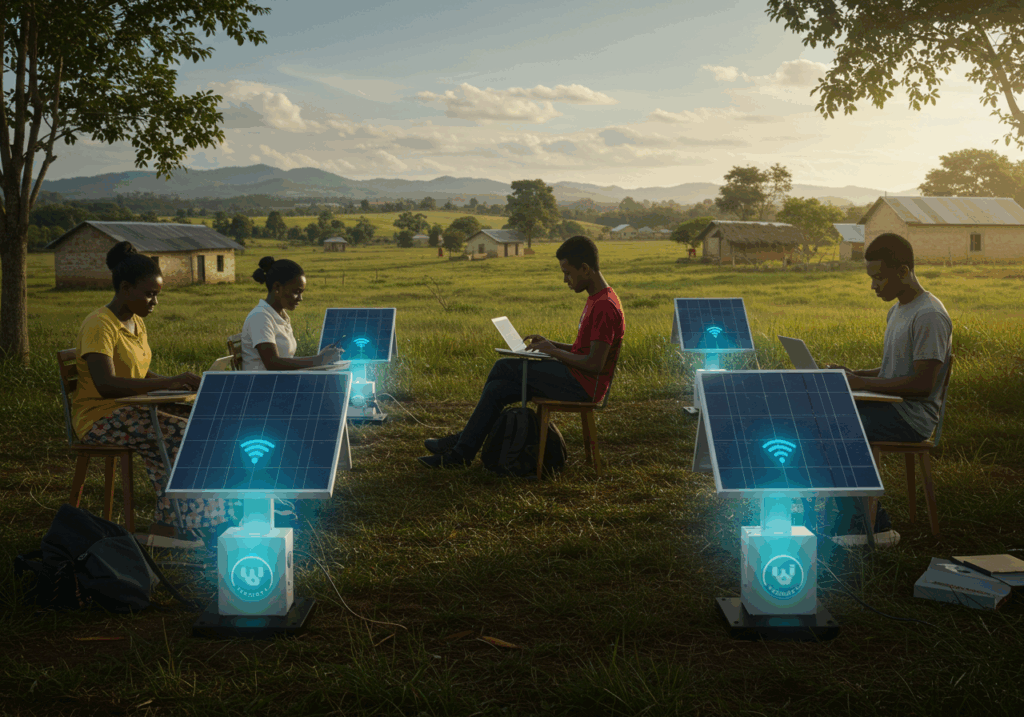
The movement toward sustainable education technology is gaining momentum globally. Leading EdTech organizations are adopting green technology in education practices that combine accessibility, affordability, and eco-friendliness.
Low-Power Devices and Energy Efficiency
In regions where electricity is scarce or expensive, energy-efficient devices can make a world of difference. Schools are now adopting low-power laptops, tablets, and solar-powered digital labs, ensuring both environmental and educational sustainability.
EduTech Business champions such initiatives by integrating low-consumption digital solutions across its learning platforms. These tools are not just smart, they are environmentally conscious, aligning with the United Nations’ Sustainable Development Goals (SDGs).
Collaborations with Eco-Friendly Data Centers
Data storage is one of the largest contributors to digital energy consumption. To address this, many EdTech firms, including EduTech Business; now collaborate with green hosting providers that utilize solar, hydro, and wind-powered data centers. This ensures that educational content is delivered efficiently and sustainably.
EduTech.Global’s Sustainability-First Approach
As part of the EduTech Global ecosystem, EduTech Business works to design sustainable education solutions that balance digital innovation with environmental preservation. From minimizing server load to promoting digital sustainability awareness across institutions, the brand is leading Africa’s transition to greener education systems.
Case Studies – Eco Learning in Action
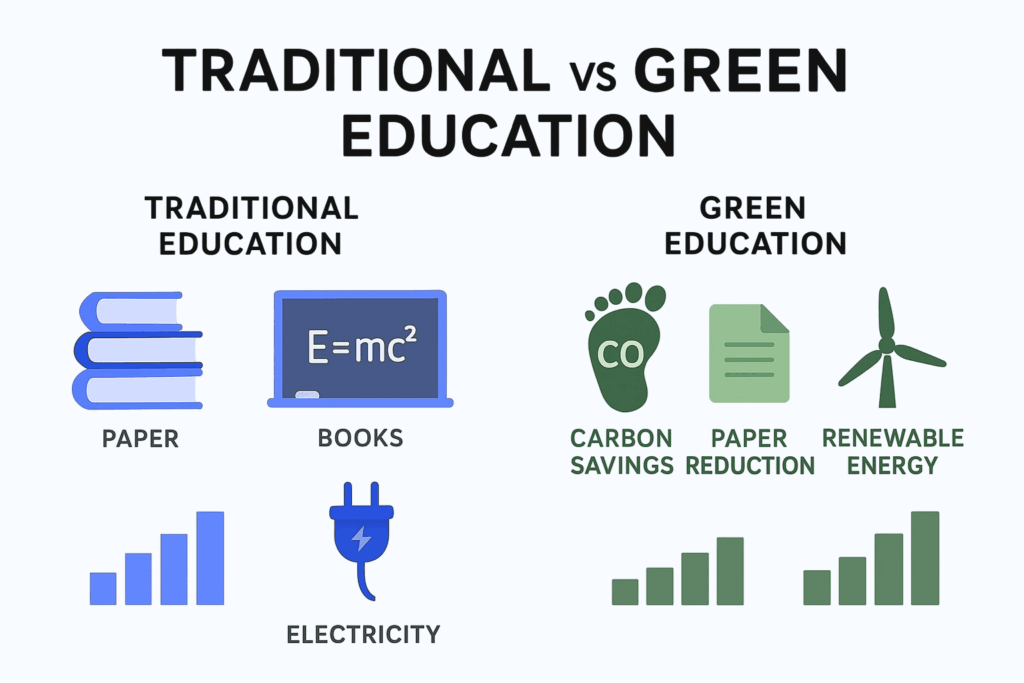
The theory of sustainable education technology is being proven in classrooms around the world. Here are a few success stories that highlight the power of green technology in education.
Case Study 1: Digital Campuses in South Africa
Several South African universities have implemented cloud-based LMS systems to manage their courses, exams, and collaboration tools. This shift to cloud computing has reduced energy consumption from on-premise servers by over 35%. Additionally, digital recordkeeping has minimized paper use and improved administrative efficiency.
Case Study 2: Paperless Schools in Nigeria
In Nigeria, secondary schools working with EduTech Business have started adopting e-textbooks and digital libraries. One pilot program reported saving over 10,000 printed copies annually, translating to an estimated reduction of two tons of paper waste per school year. These institutions also benefited from better student engagement and easier content updates, a perfect blend of sustainability and performance.
Case Study 3: Sustainable Learning in Europe
In Finland and Germany, universities are investing in sustainable education solutions that combine green-powered campuses with online-first teaching models. By digitizing their operations, they’ve cut physical classroom energy use by nearly half while promoting digital sustainability through renewable-powered data hosting.
These examples prove that sustainable education technology is not just a concept, it’s a working model that drives measurable change.
Challenges and Opportunities

While sustainable education technology offers immense benefits, it also faces challenges that require strategic collaboration.
Challenges
- Limited Infrastructure: Many developing regions still struggle with unreliable power and internet connectivity, which can slow the adoption of eco-friendly learning platforms.
- Digital Inequality: The gap between urban and rural digital access remains wide, making it crucial to ensure inclusivity in every green initiative.
- Cost of Transition: While the long-term benefits of sustainability are clear, the initial investment in green technology in education from devices to data centers can be high for smaller institutions.
Opportunities
- Global Collaboration: Partnerships with international organizations like The World Bank – Sustainable Education Solutions can help drive funding, training, and policy alignment.
- Innovation Grants and Incentives: Governments and NGOs are increasingly offering support for eco-friendly school programs, providing a perfect opportunity for EdTech startups to innovate sustainably.
- Long-Term Savings: Over time, digital sustainability leads to reduced operational costs, improved efficiency, and a stronger brand reputation for institutions adopting greener models.
By leveraging these opportunities, companies like EduTech Business are ensuring that sustainability becomes an integral part of educational advancement across Africa and beyond.
Conclusion – Sustainable Learning for a Sustainable Planet
The future of education depends on our ability to balance progress with preservation. Sustainable education technology is not a temporary trend,it’s the cornerstone of how we will teach, learn, and thrive in the years ahead.
Through eco-friendly learning, digital sustainability, and green technology in education, institutions can not only reduce their environmental footprint but also empower learners with responsible innovation.
As EduTech Business continues to pioneer sustainable education solutions, it invites policymakers, educators, and students alike to join in the mission of creating a greener, smarter, and more equitable learning environment.
Together, we can achieve what UNESCO calls for: education that nurtures both the planet and the people who will shape its future.
For more insights and implementation support, visit the EduTech Business Homepage or Contact EduTech Business to explore sustainable solutions for your institution today.
Written by Adebambo Fisher
Intern, Branding, Marketing & Communications