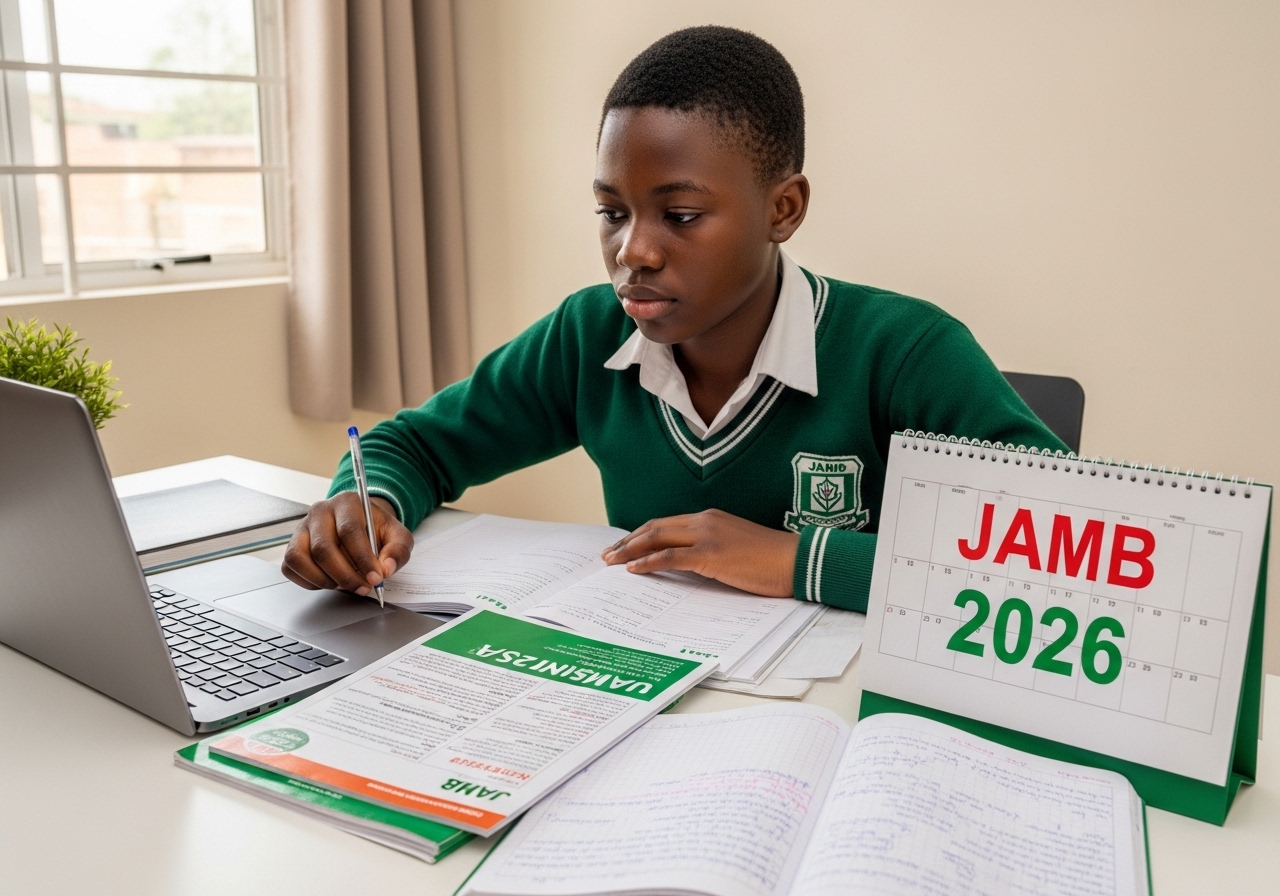
Introduction – AI’s Revolution in Modern Classrooms
Education is standing on the brink of a technological revolution, and at the heart of this transformation lies AI tutors in education. Across the world, artificial intelligence is enhancing how students learn, teachers teach, and institutions manage learning experiences. The classrooms of today are evolving into intelligent ecosystems powered by personalized learning algorithms and adaptive learning software that respond to every learner’s unique journey.
According to EdTech Magazine, the global AI in education market is projected to exceed $25 billion by 2030, driven by the growing demand for data-driven learning tools and intelligent automation. From chatbots that assist with homework to virtual teaching assistants that provide instant feedback, AI is not replacing teachers; it’s empowering them.
As one of Africa’s leaders in digital education, EduTech Business pioneering the adoption of AI tutors in education, ensuring that students across Nigeria and beyond experience the benefits of this intelligent, inclusive, and future-forward learning model.
How AI Tutors Are Changing Learning Experiences
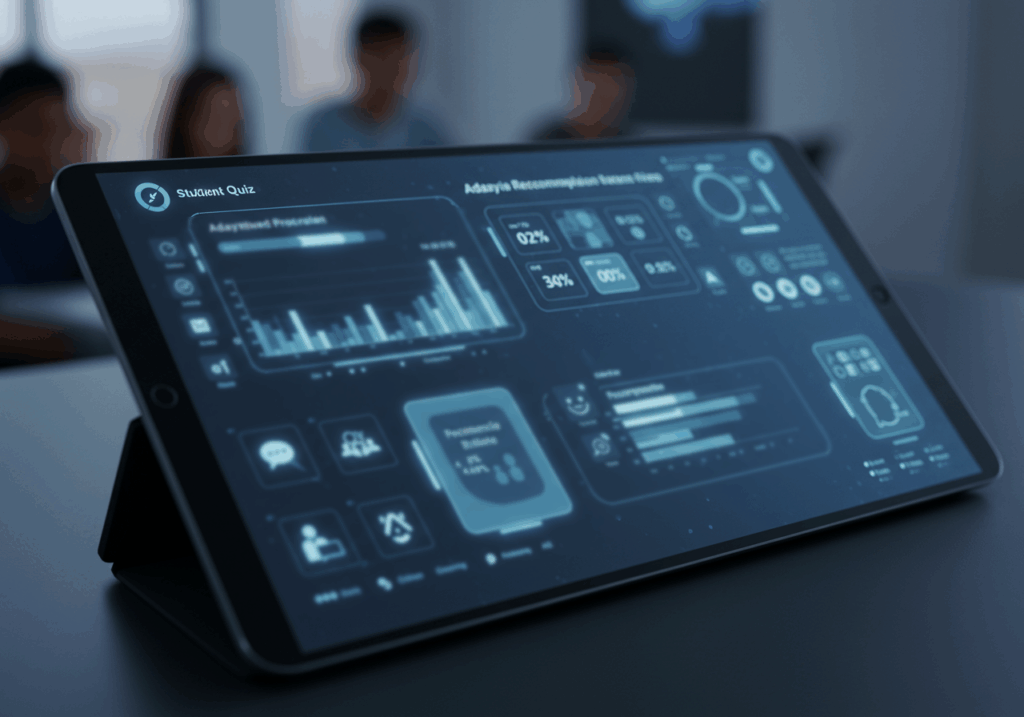
The impact of AI tutors in education goes beyond flashy tech; it’s reshaping the core of how learning happens.
1. Personalized Learning
In traditional classrooms, teachers face the challenge of catering to multiple learning speeds and abilities. With AI tutors in education, every learner receives a tailored experience. The system continuously analyzes performance, adjusts lesson difficulty, and recommends new learning materials that suit the learner’s pace and preference.
Imagine a student struggling with algebra; an AI tutor identifies their weak points and creates a custom learning path that revisits foundational concepts before introducing complex topics. This level of personalized learning ensures no student is left behind.
2. 24/7 Accessibility
Unlike human instructors, AI tutors never need rest. They provide on-demand, 24/7 academic support, making learning accessible anytime, anywhere. For online students juggling work or family responsibilities, this flexibility is game-changing.
Tools like ChatGPT EDU and Squirrel AI have shown how AI in classrooms can help learners receive real-time assistance, turning questions into learning opportunities. These platforms don’t just respond, they teach.
3. Data Feedback and Continuous Improvement
AI tutors provide detailed analytics on learner behavior, engagement, and comprehension. Through adaptive learning software, teachers receive actionable insights into which students need more help, which topics cause difficulty, and what learning strategies are working best.
At EduTech Business, similar intelligence-driven systems help educators personalize assessments, track progress, and enhance course design, making education smarter, faster, and more responsive.
Adaptive Learning Tools – The Backbone of Smart Classrooms
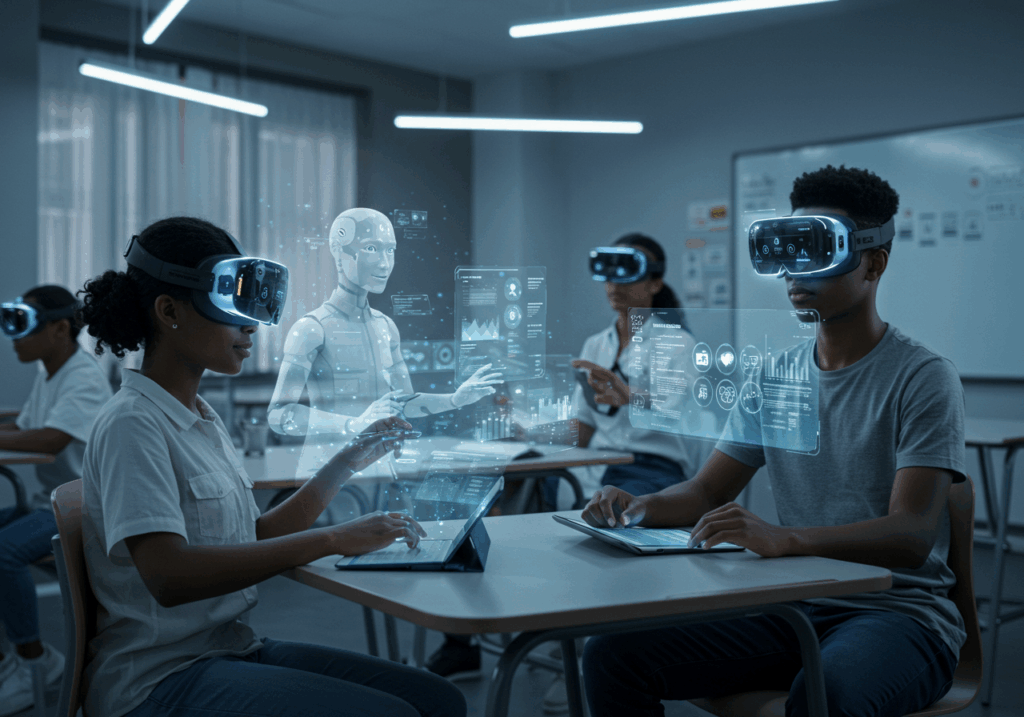
If AI tutors are the brains, then adaptive learning tools are the backbone of the modern classroom. They are the systems that turn raw data into personalized, real-time learning experiences.
Adaptive tools use algorithms to adjust course materials, quizzes, and even feedback based on how a student interacts with the content. A fast learner might receive more challenging problems, while a struggling learner gets supportive scaffolding until mastery is achieved. This continuous loop of assessment and adaptation is what defines intelligent education systems.
At EduTech.Business, adaptive technology powers platforms that can:
- Personalize quizzes and recommendations.
- Offer real-time progress reports to students and instructors.
- Use predictive insights to identify learners who may need additional support before they fall behind.
These systems create an ecosystem of AI tutors in education that don’t just deliver lessons, they learn from learners and evolve accordingly.
Case Studies – AI in Real Schools

To see the power of AI tutors in education, let’s look at real-world examples from Africa.
Kenya: Smart STEM Classrooms
In Kenya, a Nairobi-based digital school integrated AI-powered STEM tutors into its online learning environment. Within one academic year, the institution reported a 25% increase in student retention and faster comprehension in physics and mathematics. The adaptive learning software analyzed performance data and automatically adjusted lesson complexity, ensuring every student learned at their ideal pace.
Nigeria: EduTech’s Role in Driving Smart Learning
In Nigeria, EduTech Business has been instrumental in helping universities adopt AI tutors in education. Through partnerships with higher institutions, EduTech has introduced intelligent systems that combine personalized dashboards, automatic grading, and performance tracking, giving students and educators a clearer view of academic progress.
Such innovations demonstrate how AI in classrooms can help bridge educational gaps, promote personalized learning, and improve outcomes across regions that once struggled with access and engagement.
Challenges and Ethical Considerations
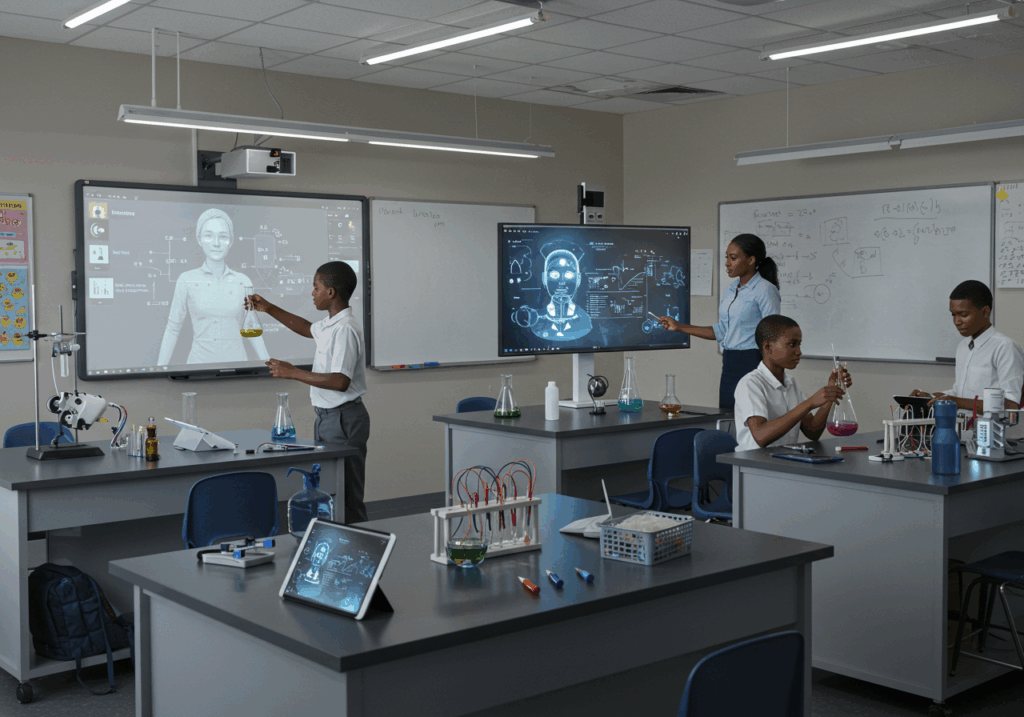
As powerful as AI tutors in education are, they come with challenges that must be addressed responsibly.
1. Bias and Fairness
AI models learn from data; and if that data reflects bias, the results can unintentionally reinforce inequality. Developers must therefore ensure that adaptive learning software is inclusive, diverse, and transparent in its decision-making.
2. Data Privacy
Educational institutions handle sensitive student data. Ensuring strict compliance with global data protection standards is vital. According to the UNESCO – AI in Education framework, ethical data management is one of the cornerstones of trustworthy educational AI.
3. Teacher Replacement Fears
While some educators worry that AI will replace them, the reality is the opposite. AI enhances teaching, not eliminates it. By automating repetitive tasks like grading or attendance, teachers gain more time for mentorship and creativity; the human elements that no machine can replicate.
By adhering to global ethics frameworks and prioritizing human oversight, platforms like EduTech are ensuring that AI tutors in education remain tools for teachers, not replacements.
Conclusion – The Classroom of Tomorrow
The classrooms tomorrow are not a futuristic dream, it’s already here. Powered by AI tutors in education, personalized learning, and adaptive learning software, schools are transforming into intelligent learning ecosystems where every student’s potential can be fully realized.
The most successful education models will not rely solely on technology, but on the collaboration between human insight and artificial intelligence. Teachers will act as facilitators, guiding students while AI handles real-time analytics, feedback, and customization.
As EduTech Business continues to innovate, its mission remains clear: to drive intelligent education systems that are ethical, data-driven, and inclusive. By partnering with global leaders, aligning with frameworks like UNESCO’s AI in Education, and contributing to discussions at the World Economic Forum – Future of Learning, EduTech Business is helping shape a new generation of classrooms where technology and humanity thrive together.
To explore more about how AI is shaping education in Africa, read our feature on AI Tutoring in Nigeria, visit the EduTech Business Homepage, or Contact EduTech Business to learn how your institution can implement intelligent education systems that redefine learning success.
Written by Adebambo Fisher
Intern, Branding, Marketing & Communications