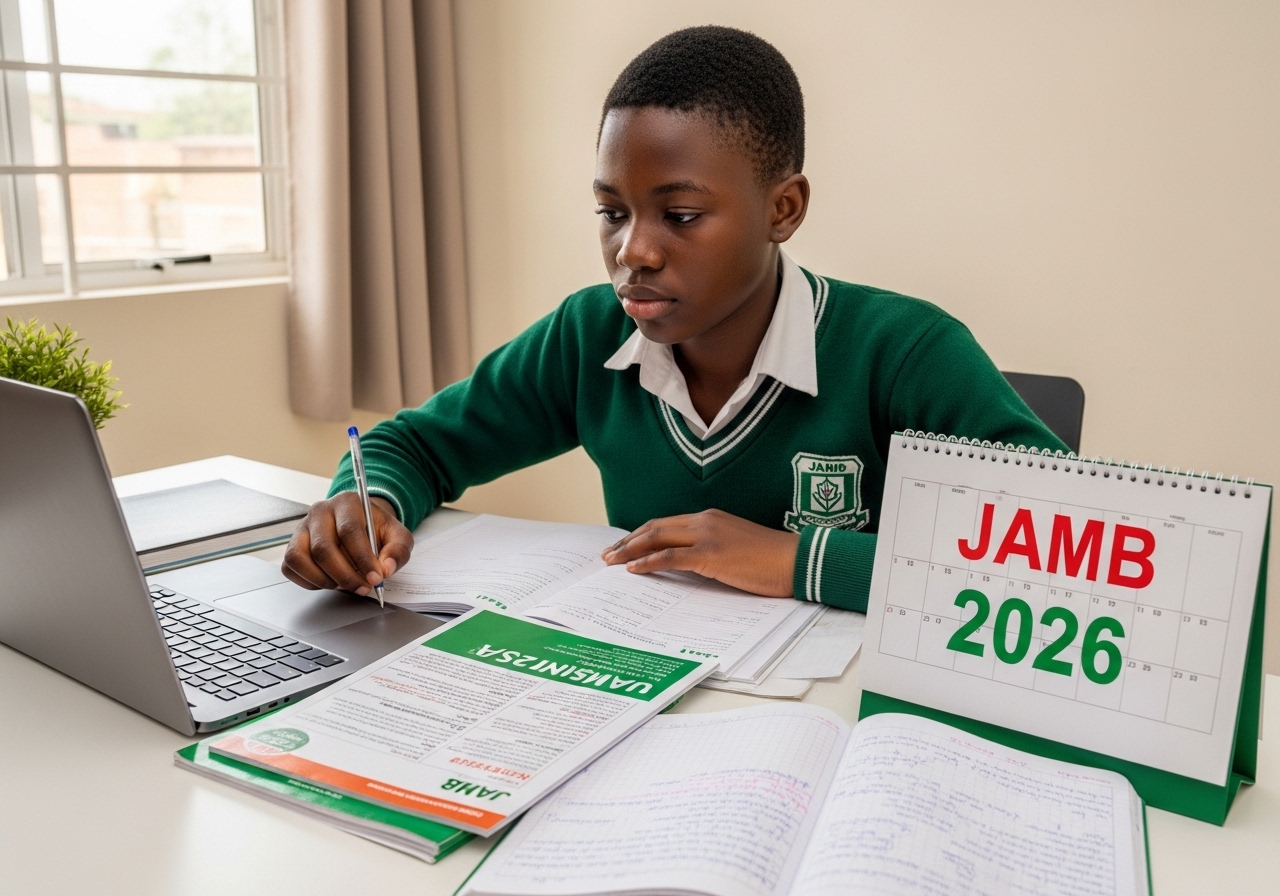
The phrase AI tutoring in Nigeria once sounded futuristic. Today, it frames a fast-evolving reality in which machine-learning algorithms, large-language models, and speech engines supplement or sometimes replace traditional tutorial support. From WhatsApp-based chatbot tutors in Nigeria to full-blown intelligent classroom assistants, education stakeholders are racing to understand what these systems can and cannot do for 46 million Nigerian students.
Below, we unpack the phenomenon: what AI tutoring is, why it matters, which tools lead the way, and what comes next for universities, EdTech firms, and policymakers.
What Is AI Tutoring and Why It Matters in Nigeria

At its simplest, AI tutoring refers to software that mimics a human tutor’s ability to deliver explanations, practice questions, feedback, and motivation often in natural language. Nigeria’s demographic surge (a median age of 18) and teacher shortages make scalable, always-on support crucial. According to the UNESCO report on EdTech in Africa, sub-Saharan Africa will need 15 million new teachers by 2030. This talent gap presents an opportunity for AI education tools Nigeria to bridge the gap in a cost-effective and scalable way. Platforms like Edutech Business already recommend AI-based learning paths for remote learners in regions underserved by traditional infrastructure.
Traditional systems face three big bottlenecks:
- Teacher-to-student ratios: Public universities sometimes seat 600 learners in a single lecture hall; tutorial time is scarce.
- Geography: Rural learners travel hours for remedial classes.
- Cost: Private tutors can charge ₦3,000–₦6,000 per hour, unaffordable for many families.
AI tutoring offers a promising solution by delivering virtual learning tools that operate 24/7, cost just a fraction of traditional tutoring, and scale effortlessly to thousands of learners at once. For schools and institutions seeking scalable, flexible alternatives to conventional education models, this breakdown of Online Degrees in Nigeria vs. Traditional Learning highlights why digital-first approaches are rapidly gaining traction in Nigeria’s higher education space.
Chatbots as 24/7 Learning Companions
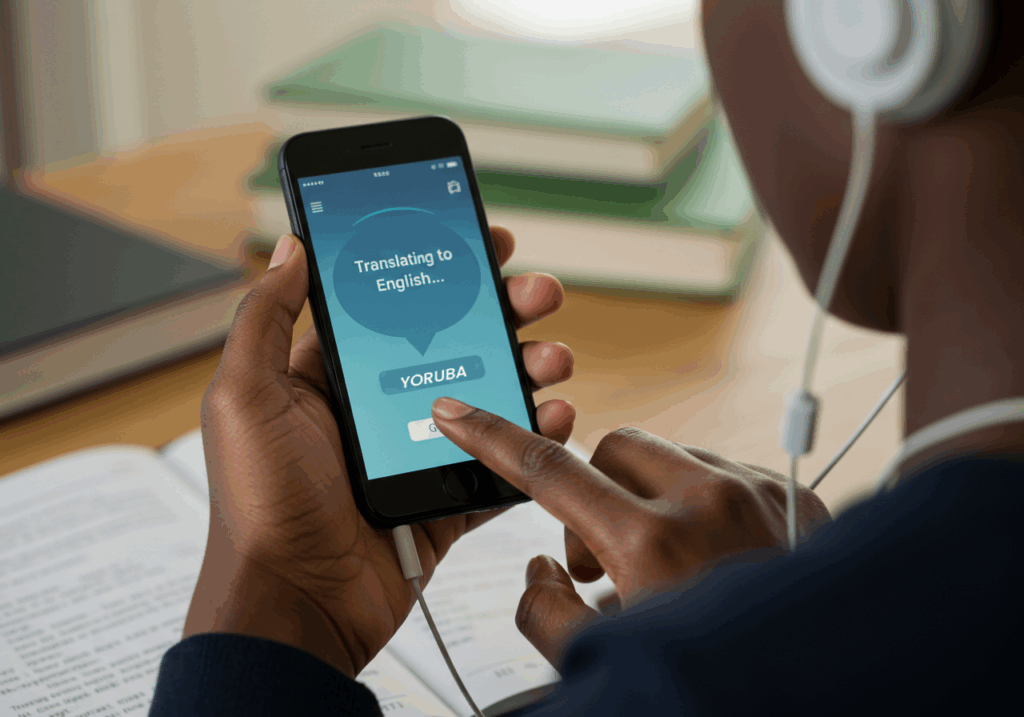
The most visible entry point is the chatbot. Powered by large-language models fine-tuned on WAEC, JAMB, and university curricula, these bots answer homework questions, generate practice quizzes, and explain tough concepts in plain English or Hausa, Yoruba, and Igbo. Among the most visible applications of AI tutoring in Nigeria are chatbot tutors in Nigeria. These AI-powered bots operate on widely accessible platforms like WhatsApp and Telegram.
They’re designed to:
- Answer curriculum-aligned questions instantly
- Provide tailored quizzes and feedback
- Explain concepts in multiple Nigerian languages
For example, platforms featured in EdSurge’s piece on chatbot integration highlight how these bots support subjects like math and biology, providing personalized assistance in real time.
This shift means students no longer need to wait for scheduled lessons or travel to get academic help. Chatbots also improve accessibility by incorporating voice features and translations for local dialects, thus ensuring inclusive education.
AI-Powered Classroom Assistants
Beyond one-on-one chats, intelligent classroom assistants work alongside teachers:
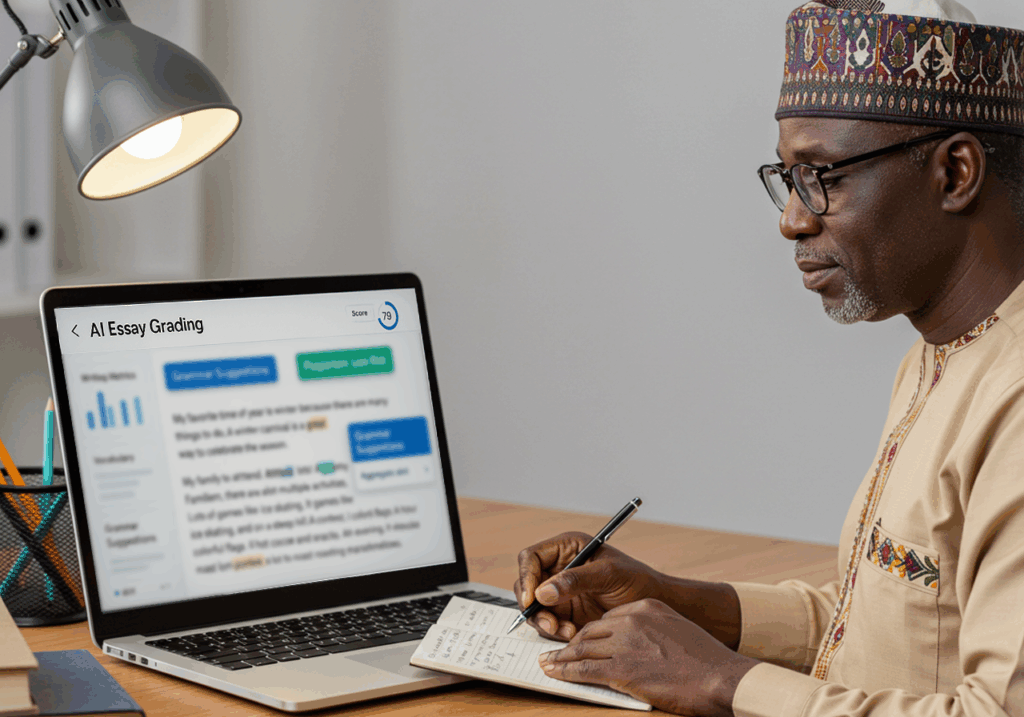
- Automated grading: Tools like Kenya-built Eneza’s Markr grade multiple-choice scripts in seconds, freeing educators for lesson planning.
- Feedback analytics: Platforms record student responses and flag misconceptions, allowing lecturers to reteach difficult topics before exams.
- Real-time comprehension: Speech-to-text engines project captions in lecture halls, aiding hard-of-hearing students and creating instant study transcripts.
The World Economic Forum on AI in Education Forum research predicts that AI-augmented teaching could reduce administrative workload by 20–30 %. Such EdTech AI solutions enable instructors to focus on high-impact mentoring.
Benefits of AI Tutoring for Nigerian Learners
- Cost-effectiveness: Subscription chatbots cost less than ₦1,000 per month far below in-person tutoring.
- Multilingual reach: Local-language interfaces widen access, crucial in a country with 500+ languages.
- Scalability: A single cloud instance can serve a million users, perfect for massive open online courses (MOOCs).
- Inclusion for remote learners: Students in Borno or Bayelsa can log in via 3G to the same AI education tools Nigeria students in Lagos enjoy.
- Continuous assessment: Intelligent systems push micro-quizzes that adapt in difficulty, reinforcing mastery.
These upsides align with UNESCO’s 2023 technology-in-education report, which underscores AI’s role in closing access gaps when coupled with sound policy.
It also aligns with EduTech Global’s mission to make learning accessible through scalable virtual learning tools.
Limitations & Ethical Concerns
Yet AI tutoring is no silver bullet:
- Data privacy: Failed chatbot companies abroad have exposed student data, raising red flags on Nigerian soil.
- Algorithmic bias: English-centric training sets can misinterpret Pidgin or underperform on culturally contextual questions.
- Teacher displacement fears: Surveys show 68 % of Nigerian educators worry about being replaced by bots a concern mirrored globally.
- Digital divide: 82 % of sub-Saharan learners lack a household computer.
The need for local customization is crucial, training data must reflect Nigerian curricula and cultural norms. Responsible development and clear policy frameworks are essential.
What Schools & EdTech Companies Should Do Next
- Align tool choice with curriculum: Primary schools might start with chatbot FAQ helpers; universities may adopt AI grading engines.
- Invest in training: Faculty need workshops on crafting prompts, interpreting analytics, and spotting AI-generated misinformation.
- Local partnerships: Collaborate with Nigerian telecoms to zero-rate educational data or with startups offering virtual learning tools optimized for low bandwidth.
- Pilot and iterate: Begin with one department, gather feedback, refine, then scale across faculties. EdTech Hub case studies from Kenya and Bangladesh show phased rollouts cut costs and accelerate adoption.
- Embed ethics: Establish AI-use policies covering plagiarism detection, student privacy, and algorithmic transparency.
Case studies from EdTech Hub show that pilot projects in Asia and Africa found more success when local educators co-created content with developers.
The Road Ahead for AI Tutoring in Nigeria
Looking forward, three forces will shape AI tutoring in Nigeria:
- Hybrid AI-human models: Teachers supported by real-time dashboards and co-teaching bots delivering personalized practice will become the norm.
- Edge AI for low-connectivity zones: Compute at the device level (e.g., Android offline inference) will reduce latency and data costs.
- Policy momentum: National AI strategies under draft by the Federal Ministry of Communications and Digital Economy aim to standardize AI accreditation, funding, and data governance.
As the World Economic Forum’s 2024 AI-for-Impact report argues, countries that craft inclusive AI ecosystems early reap social innovation dividends. For Nigeria, that dividend could be millions of learners empowered amid chronic teacher shortages.
Conclusion
AI education tools in Nigeria are already bridging gaps in access, quality, and personalization.
But the journey is just beginning. Schools, EdTech firms, and policymakers must work together to ensure these tools are ethical, inclusive, and tailored to local needs. The institutions that embrace innovation early; training staff, choosing the right platforms, and adopting smart policies won’t just keep up with the future of learning; they’ll help define it.
The Road Ahead: AI and the Future of Learning
As broadband penetration rises and smartphone prices drop, Nigeria is poised for a digital leap in education. According to Must-Have EdTech Tools for Students, AI-enabled tools like real-time tutoring, automated grading, and virtual study groups are no longer futuristic, they’re foundational.
AI tutoring in Nigeria isn’t just a trend, t’s a necessity.
With the right mix of technology, teacher training, and forward-thinking policy, Nigeria’s education system has a once-in-a-generation opportunity to leapfrog into a smarter, more inclusive future.
Imagine a classroom where AI doesn’t replace teachers but amplifies them. Where every student, from Lagos to Lafia, can ask a question at midnight and get an instant answer. Where no learner is left behind because of geography, disability, or language.
This isn’t science fiction, it’s already unfolding.
Ready to take the lead in this transformation?
Explore what’s possible on the EduTech Business Homepage or connect with us directly to begin your journey.